Gandhinagar (Gujarat) [India], May 20 (ANI): To ensure optimised irrigation resources reach the state’s agricultural grassroots, the Gujarat government has completed approximately 2.21 crore cubic metres of earthwork over the last three years to reinforce water bodies and enhance storage capacity, water resources department officials said.
The special desilting and water body rejuvenation campaign surpassed its initial targeted projection of 203 lakh cubic metres of earthwork between the financial periods of 2022-23 and 2024-25.
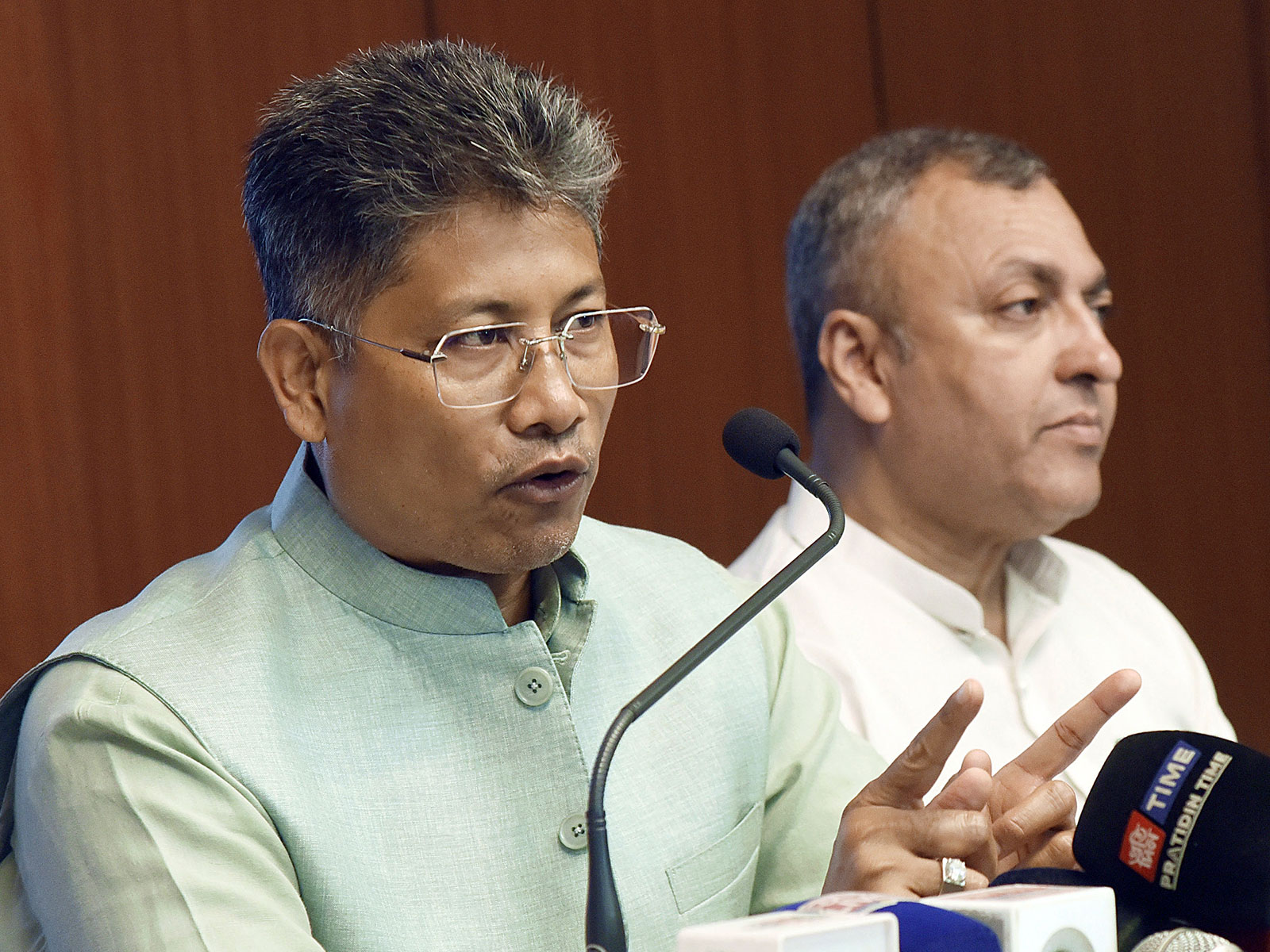
Speaking on the achievement, Gujarat Minister of State for Water Resources and Water Supply, Ishwarsinh Patel, stated that the state has established a new milestone under the leadership of Chief Minister Bhupendra Patel.
“Against the planned target of 203 lakh cubic metres of earthwork, the department successfully achieved 221.37 lakh cubic metres of earthwork through its dedicated government machinery,” Minister Ishwarsinh Patel said.
The dynamic campaign specifically targeted restoring the original capacity of canals, rivers, streams, lakes, and reservoirs, ensuring that crucial irrigation water effortlessly reaches the tail-end agrarian zones of the state.
Detailing structural improvement works, the minister highlighted that an extensive cleaning drive covering a 4,223 km length was executed to eliminate unwanted vegetative blockages across an area of approximately 123 lakh square metres.
“The structural improvement works included the extensive removal of unusable vegetation such as dense bushes and wild shrubs growing aggressively along critical dams, irrigation canals, lakes, and natural water channels,” he added.
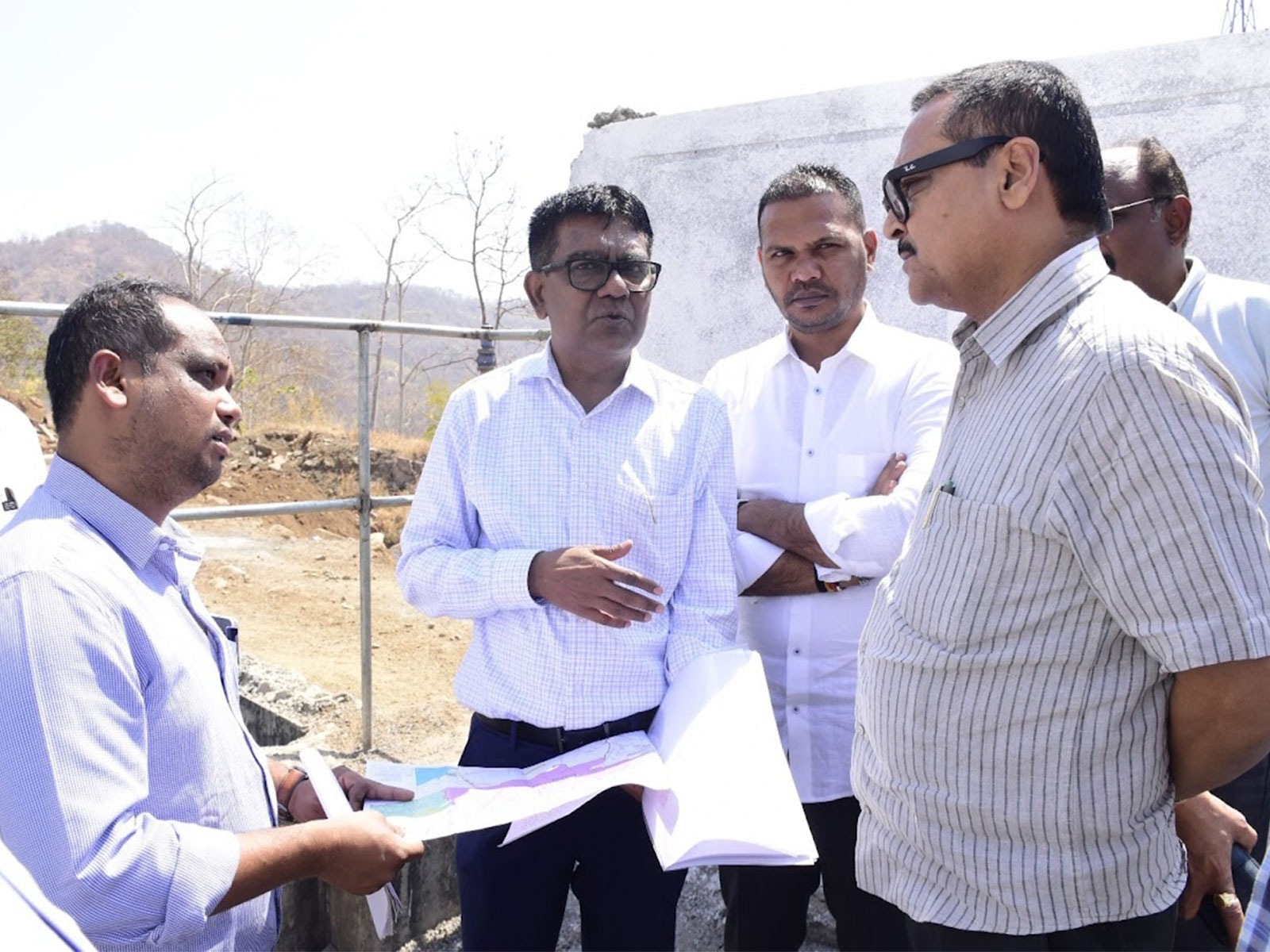
According to departmental data, the massive infrastructural tasks were systematically managed across 1,474 operational sites. The state mobilised a heavy fleet of heavy earth-moving machinery, deploying an average of 88 to 96 modern government machines daily over the three-year timeline.
The state government’s Irrigation Mechanical Circles in Ahmedabad and Vadodara played a vital role in executing these heavy-duty engineering works. Beyond basic desilting, the technical teams were deployed around the clock to execute specialised tasks, including the construction of cofferdams, strengthening weak earthen embankments, maintaining critical drainage lines, and actively mitigating salinity ingress in vulnerable coastal pockets.
Expressing confidence over the state’s structural self-reliance, the Water Resources Minister concluded that through sustained modernisation, strategic heavy machinery deployment, and technology integration, the state is progressively moving forward in its long-term objective of making Gujarat a water-surplus state. (ANI)
Related reading