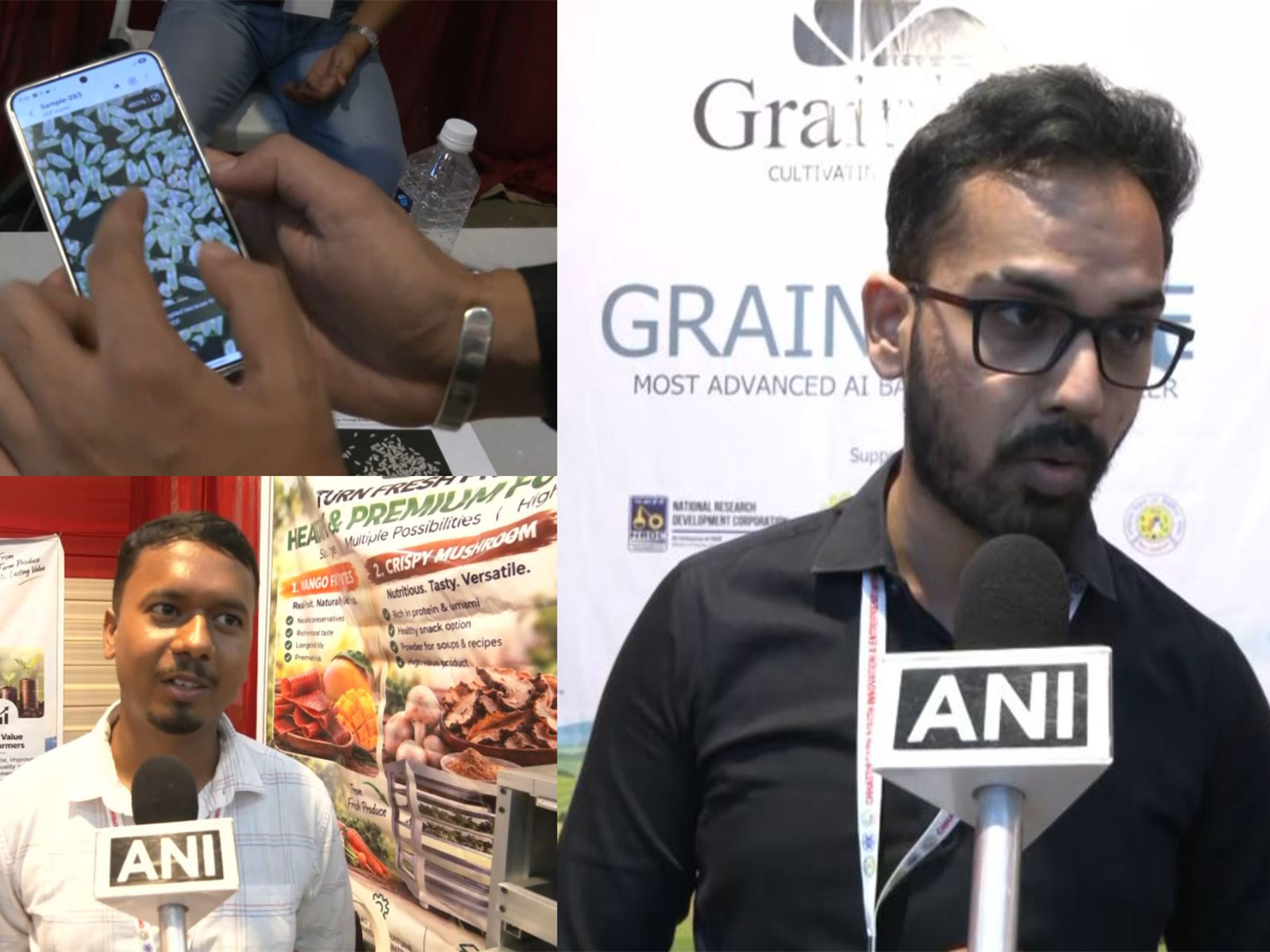
Raipur (Chhattisgarh) [India], September 29 (ANI): From a food dryer designed to help women-led businesses to an AI-powered machine that checks the quality of rice and wheat, young entrepreneurs showcased their ideas at the Youth Innovation and Entrepreneurship Conclave 2026 in Raipur on Tuesday.
Held at Indira Gandhi Krishi Vishwavidyalaya, the event brought together young innovators working on technology-based solutions for agriculture, food processing and small businesses. Chief Minister Vishnu Deo Sai attended the conclave and interacted with entrepreneurs to learn about their innovations.
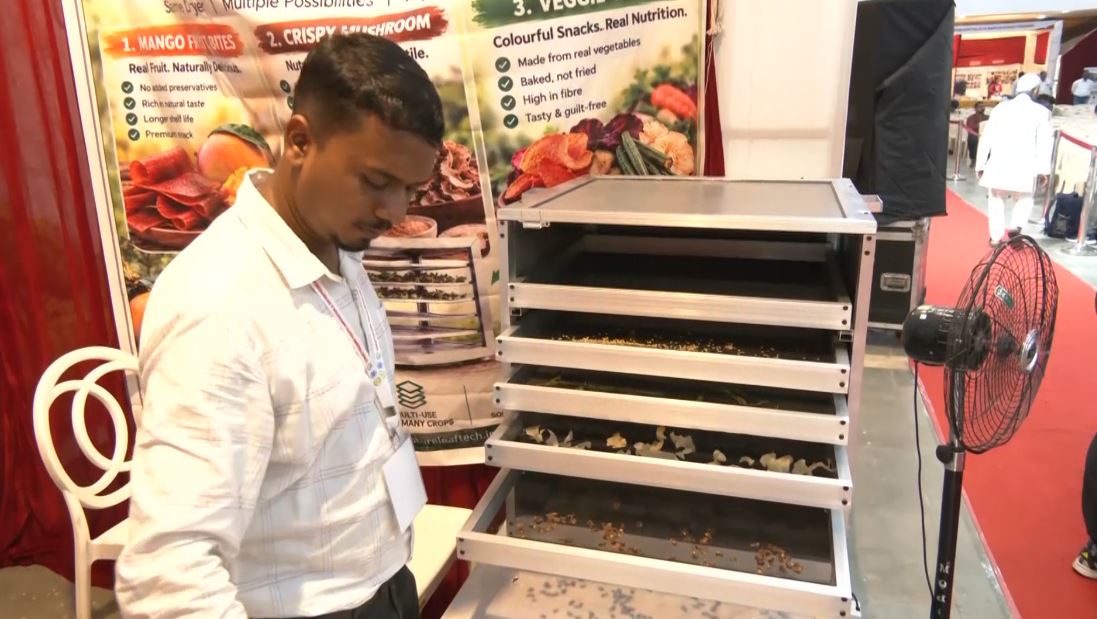
Among the products on display was an advanced food dryer developed by Future Leaf Technology founder Milind Vasnik. The machine aims to help small businesses and women’s self-help groups dry food products such as papad, pickles and fruits without compromising their quality.
Speaking to ANI, Vasnik said the machine was developed to address problems faced by people who traditionally dry food items in the open.
“I have developed a food dryer machine called Air Leaf. I created this innovation for small businesses and women’s groups who want to start their own businesses. When they dry papad, pickles and fruits in the sun, the quality of the products can suffer. Their colour changes, insects can affect them and dust can reduce their quality,” he said.
Explaining how the machine works, Wasnik said it uses an energy-efficient heater and air circulation technology to ensure that food products dry evenly.
“The machine helps protect the products from damage and improves their quality. It also saves time and uses very little electricity. With this machine, people can work throughout the year, in all weather conditions, and even for 24 hours,” he added.
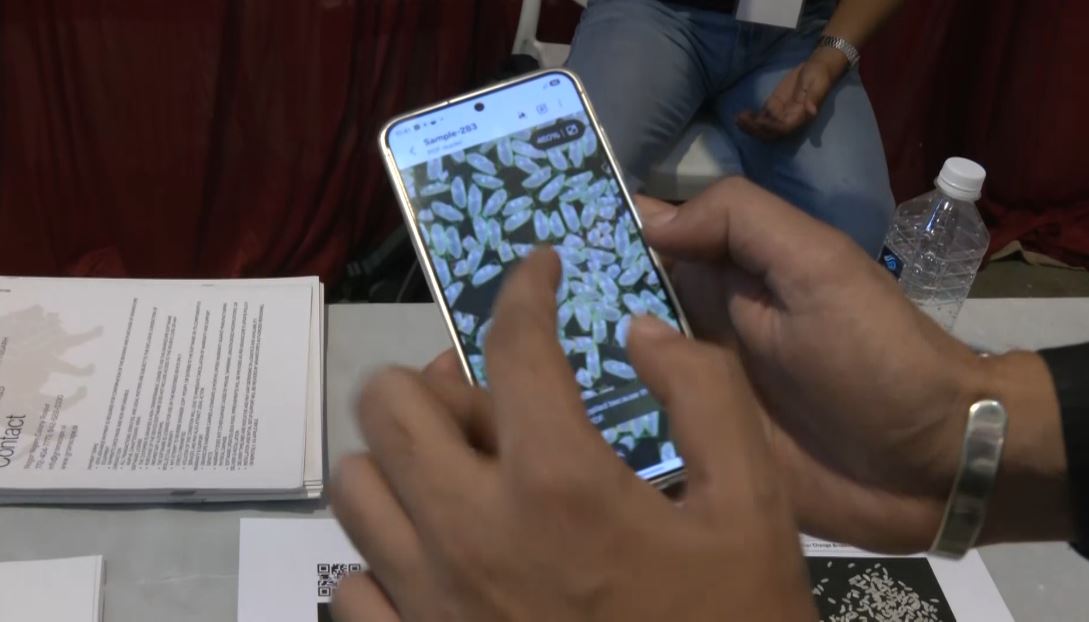
Another innovation that caught attention at the conclave was Grain Scope, an AI-based grain analyser developed by Grain Cart founder Sanskar. The system checks the quality of rice and wheat and provides a report through WhatsApp.
Speaking about the technology, Sanskar said, “We have developed Grain Scope, an AI-based grain analyser that checks the quality of rice and wheat. Our analyser provides 99% accuracy, and the report is sent to WhatsApp within 10 seconds. Users do not need to download any separate application.”
The machine can examine grain samples weighing between 10 and 50 grams. According to Sanskar, it provides details about grain size, impurities, damage, colour and broken grains. It can also identify whether rice of another variety has been mixed with the sample.
He said the company, which started in 2022, has worked with institutions such as NRDC and IIT Kharagpur and has more than 300 industry customers.
Sanskar also spoke about the support received from the Chhattisgarh government in developing the business. He said the company regularly shares its financial and technical challenges with the government and receives assistance in finding solutions.
Addressing the gathering, Chief Minister Vishnu Deo Sai said the state was working to provide young entrepreneurs with more opportunities to develop their ideas.
Speaking about the newly inaugurated Netaji Subhas Chandra Bose Incubation Centre, Sai said the facility would provide space for startups to work on new ideas and help the agriculture sector.
“We have organised the Innovation and Entrepreneurship 2026 Conclave. The Governor inaugurated the Netaji Subhas Chandra Bose Incubation Centre yesterday. This will provide a space for startups to work on innovations. It will benefit the agriculture sector in the state as well as the country,” he said.
The Chief Minister also spoke about his interaction with students and his visit to the laboratories at the university.
“Chhattisgarh is known as the rice bowl of India. We believe that the price and facilities we are providing to farmers here are better than anywhere else,” he added.
The conclave brought together young entrepreneurs working on solutions aimed at improving food processing, grain testing and agricultural practices, with a focus on taking these technologies to farmers, women’s groups and small businesses. (ANI)
Related reading