
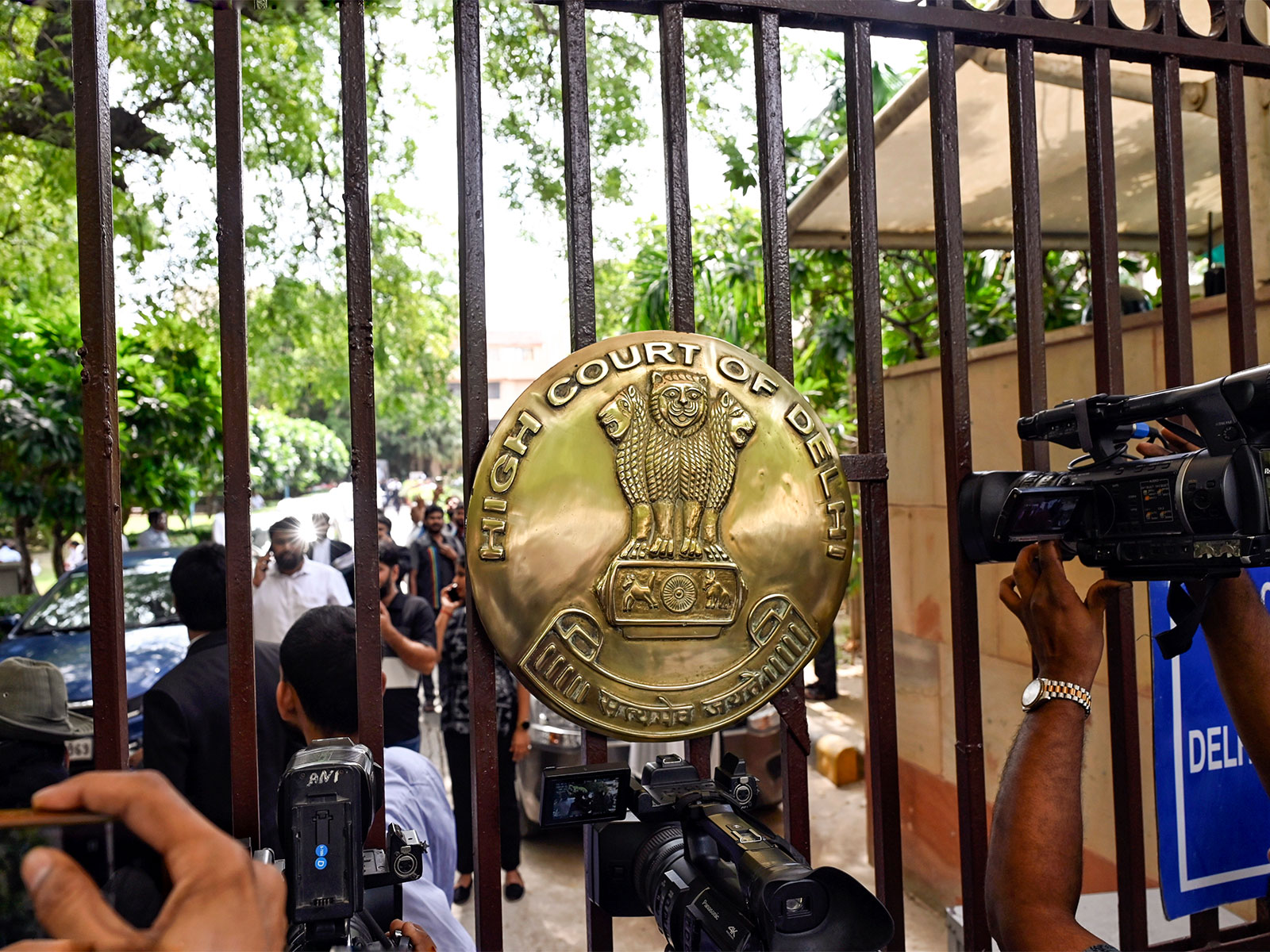
New Delhi [India], September 24 (ANI): While setting aside an order of externment and an appellate order recently, the Delhi High Court has said that an order of externment is an extraordinary measure that curtails a citizen’s fundamental right to unrestricted movement guaranteed under the Constitution of India.
The power of externment must be exercised sparingly and only under extraordinary circumstances. Justice Purushaindra Kumar Kaurav set aside the orders after passing a word of caution highlighting the protection of fundamental rights enshrined in the Constitution.
Petitioner Rakesh had challenged the order of externment of March 12, 2026 passed by the Addl. Deputy Commissioner under Section 47 of the Delhi Police Act, 1978 [DP Act] and the appellate order of April 29, 2026 passed by the appellate authority dismissing his appeal.
Justice Kaurav said that there is no material, either documentary or oral, which would substantiate the invocation of Section 47 of the DP Act.
While setting aside the orders, the bench referred to the Coordinate bench order which held that minor, non-violent, or regulatory offences, such as those under the Delhi Excise Act or Delhi Public Gambling Act, do not satisfy the statutory threshold mandated under Section 47 of the DP Act.
“As settled by the Supreme Court in Prem Chand v. Union of India, and reiterated in Deepak v. State of Maharashtra, the power of externment must be exercised sparingly and only under extraordinary circumstances, requiring clear, present, and credible material to establish that a person’s presence is alarming or dangerous,” Justice Kaurav said in the judgement passed on September 17.
Justice Kaurav asserted that for invoking Section 47, the authority must record subjective satisfaction based on objective evidence showing involvement in offences involving force or violence (or specific IPC chapters), alongside a genuine, objective apprehension that witnesses are unwilling to testify publicly out of fear for their safety.
“In the absence of any material demonstrating that the petitioner is a “desperate and dangerous” individual or that witnesses are terrified to come forward, passing an externment order on the basis of minor excise or gambling cases constitutes an arbitrary and mechanical exercise of power, infringing upon the petitioner’s rights to personal liberty and fundamental freedoms,” Justice Kaurav held.
Advocate Arpit Batra, counsel for the petitioner, had argued that the orders are wholly illegal and improper. It is contended that merely on the basis of two cases under the DP Act and two cases under Section 33 of the Delhi Excise Act, the petitioner ought not to have been extended the power under Section 47 of the DP Act.
The petitioner’s counsel submitted that he has three school-going children and an aged mother. The externment order is violating his fundamental right.
The petition was opposed by the Additional Standing Counsel (ASC) Rupali Bandopadhyay, who contended that two authorities have already held against him. Accordingly, no interference is called for. (ANI)
Related reading