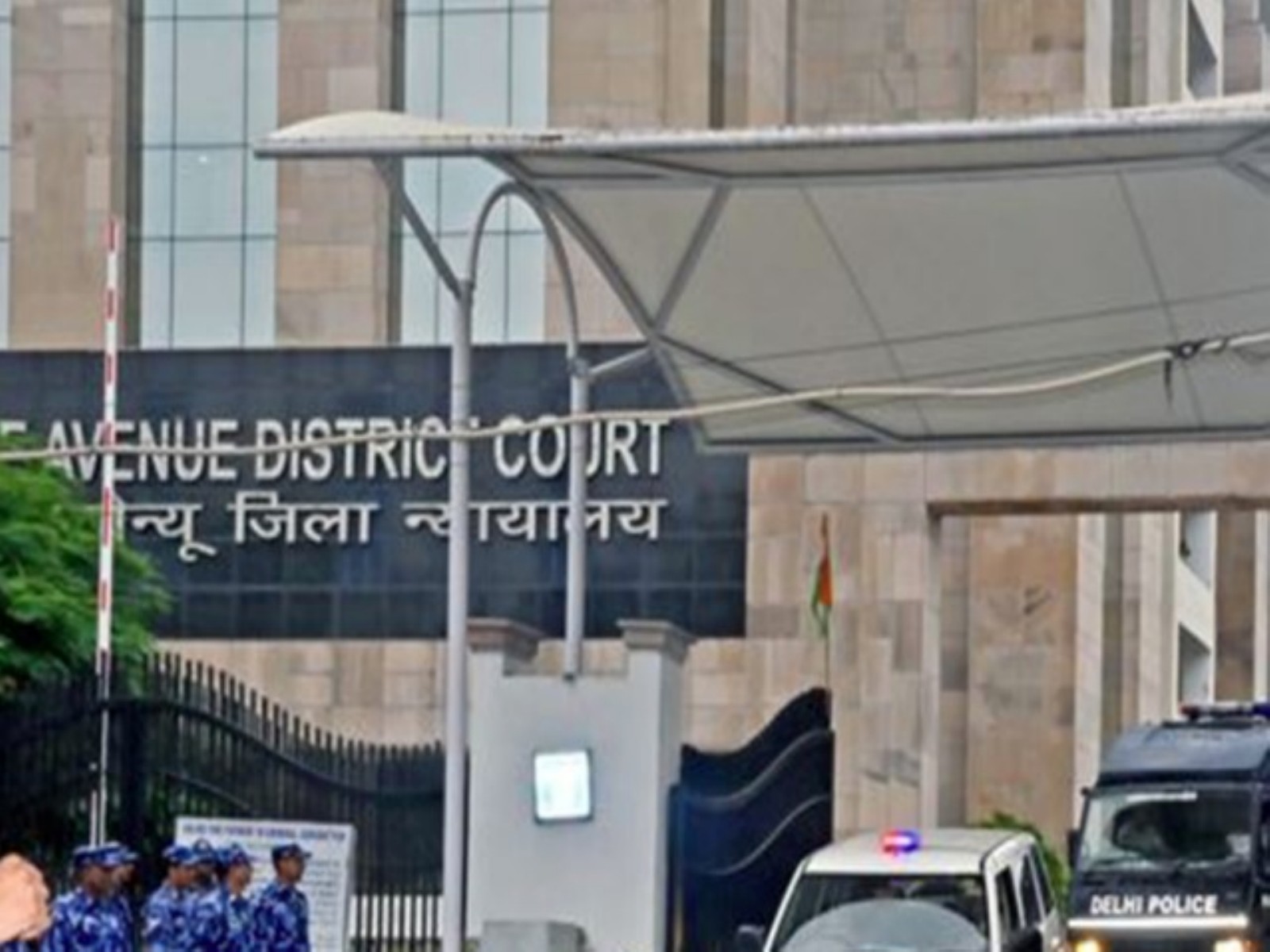
New Delhi [India], August 8 (ANI): The Rouse Avenue Court on Saturday heard the concluding arguments of Delhi Police on framing of charges in a Maharashtra Control of Organised Crime Act (MCOCA) case linked to the alleged organised crime syndicate of absconding gangster Kapil Sangwan alias Nandu. Former AAP MLA Naresh Balyan is also an accused in the case.
Special Judge (MP-MLA) Prashant Kumar heard submissions from Special Public Prosecutor Akhand Pratap Singh, appearing for Delhi Police, and directed him to file a written synopsis of three to four pages.
The court will hear arguments from the counsel for Naresh Balyan and Kapil Sangwan on framing of charges on August 17. Their counsel sought time to present their submissions.
Counsel for the other accused did not advance arguments despite being given an opportunity by the court and submitted that they had been falsely implicated in the case. The court granted them time to file written submissions of three to four pages.
On August 5, the Rouse Avenue Court declared absconding accused Umed Singh, a Proclaimed Offender (PO).
Balyan’s regular bail application was rejected by the Delhi High Court on August 3. Delhi Police has filed a chargesheet and several supplementary chargesheets under Sections 3 and 4 of the Maharashtra Control of Organised Crime Act (MCOCA) against the accused.
Naresh Balyan was arrested in the case on December 4, 2024.
The Delhi High Court on August 3, refused to grant bail to former Aam Aadmi Party (AAP) MLA Naresh Balyan in a case under the Maharashtra Control of Organised Crime Act (MCOCA), observing that the material collected during the investigation prima facie disclosed a “discernible nexus” between him and the organised crime syndicate allegedly headed by absconding gangster Kapil Sangwan alias Nandu, and that the invocation of MCOCA could not be termed unjustified.
The High Court observed that, at the stage of deciding bail, it was not required to conduct a detailed examination of the evidence but only ascertain whether the statutory requirements for invoking MCOCA were prima facie satisfied.
The Court had said that the stringent conditions under Section 21(4) of MCOCA applied and noted that a person accused under the Act can be released on bail only if the Court is satisfied that there are reasonable grounds to believe that he is not guilty and is not likely to commit any offence while on bail. It held that those conditions were not met in Balyan’s case.
Rejecting Balyan’s argument that MCOCA had been wrongly invoked because there was no fresh unlawful activity attributable to him, the High Court held that the requirement of multiple charge sheets under the Act is “syndicate-centric” and not “individual-centric.” (ANI)
Related reading