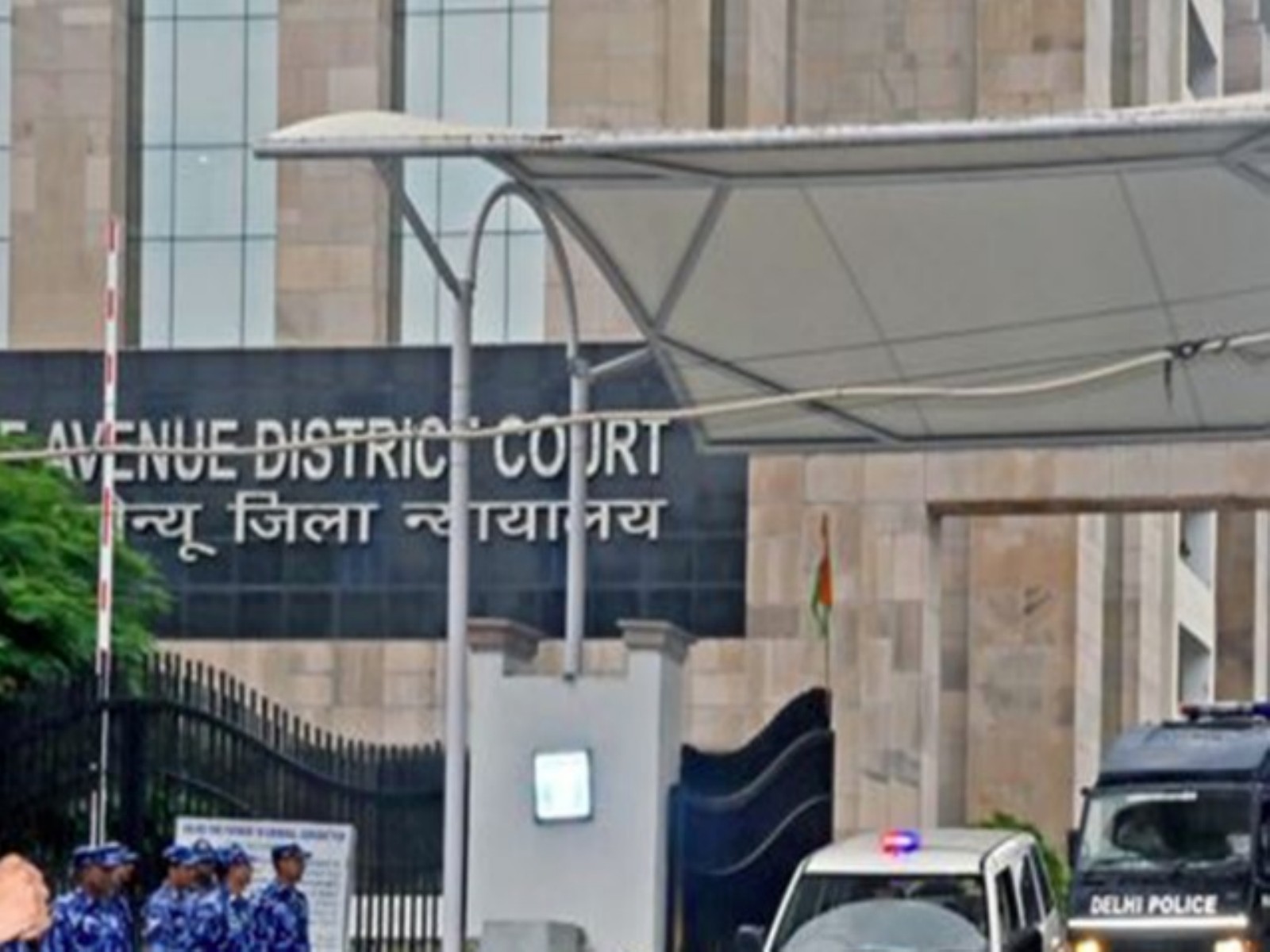
New Delhi [India], August 31 (ANI): The Rouse Avenue court on Monday remanded Udit Prakash Rai, the former CEO of DJB and Nagendra Yadav to judicial custody till September 3. They were produced before the court by the Anti-Corruption Branch (ACB) after two days of police custody.
They have been arrested in the DJB STP Tender scam case. It is alleged that tender conditions were manipulated to favour a particular company.
Six accused, including former Delhi Minister Satyender Jain, have been arrested in this case.
Special Judge (MP-MLA) Dig Vinay Singh remanded Udit Prakash Rai and Nagendra Yadav to judicial custody till September 3. They will be produced through video conferencing on the next date of hearing.
Meanwhile, the court has called for a medical status report from the jail authorities on the plea of accused Ankit Shrivastava seeking medical and Psychiatry assistant in judicial custody.
His counsel Rajat Bhardwaj prayed that Ankit Shrivastava has some medical issues. His health is deteriorating. He should be provided medical assistance and a specific diet as per his ailments. He should be allowed to have books.
Additional Public Prosecutor (APP) Manish Rawat alongwith Inspector Krishan Kumar appeared for the ACB.
On August 27, the Rouse Avenue court issued production warrants of Udit Prakash Rai, former CEO, Delhi Jal Board (DJB) and Nagendra Yadav.
The present FIR originated from a Vigilance reference of May 10, 2024, from the Directorate of Vigilance, GNCTD, alleging a corruption scam involving hundreds of crores of rupees in the Delhi Jal Board (DJB).
The allegations pertain to the tendering process and the subsequent award of contracts for the augmentation and upgradation of ten (10) Sewage Treatment Plants (STPs) across Delhi. Those 10 STPs were divided into 4 blocks/packages, with a total tendered value of approximately Rs 1943 crores.
It is alleged that the public servants from DJB were in league with private contractors, technology providers, and intermediaries, manipulating tender conditions, inflating cost estimates, and diluting environmental standards to ensure that the contracts were awarded to a select cartel, resulting in wrongful loss to the public exchequer and wrongful gains to the private entities. (ANI)
Related reading