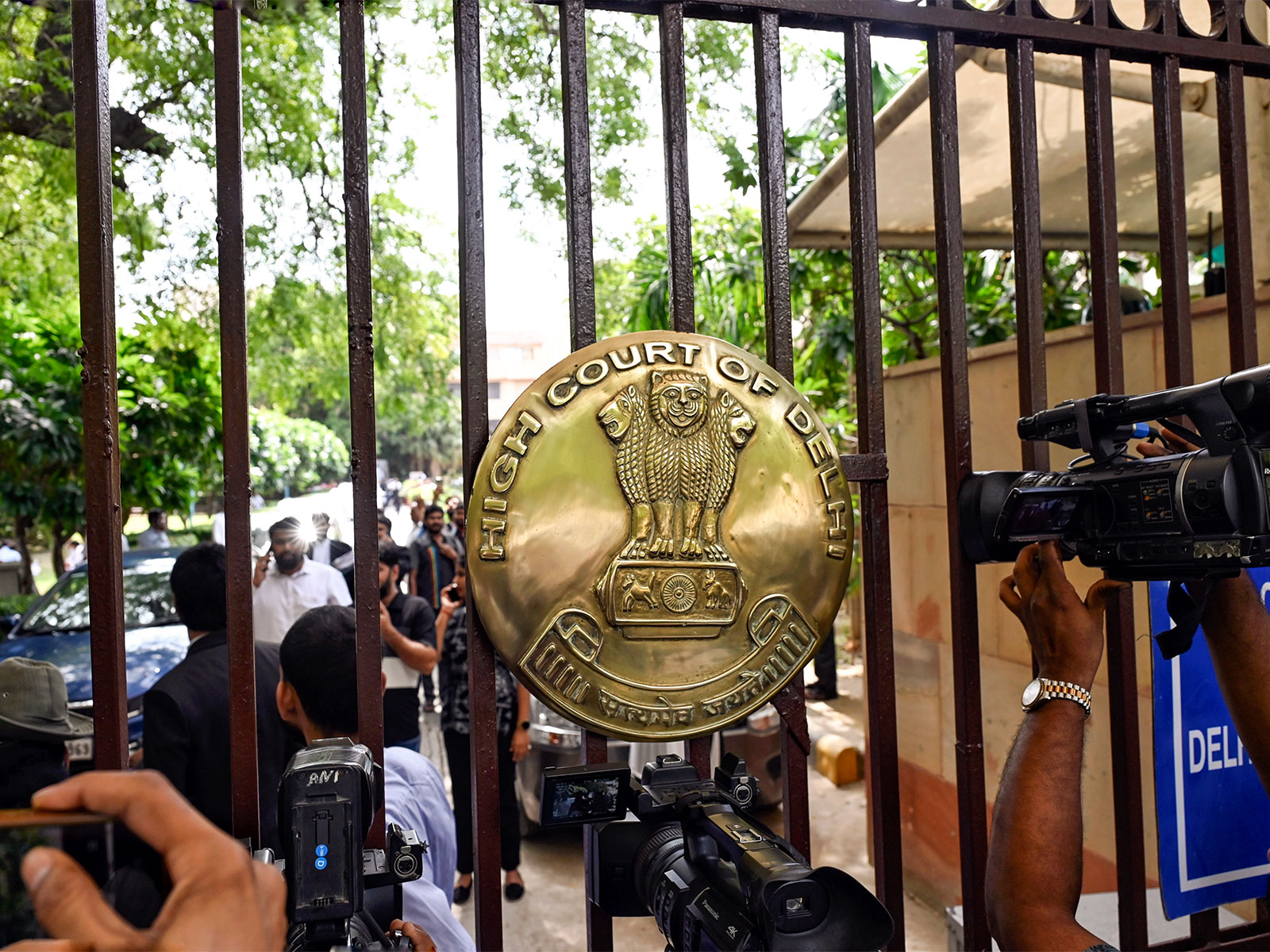
New Delhi [India], June 18 (ANI): The Delhi High Court will pronounce its judgment on Friday at 10:30 AM on Telegram’s plea challenging the Central Government’s decision to temporarily block the messaging platform in India in view of the NEET re-examination.
Justice Tejas Karia reserved the verdict on Thursday after hearing extensive submissions from both sides.
The Centre defended its decision to suspend access to Telegram till June 22, contending that the platform had become a key tool for organised cheating networks involved in the alleged leakage and circulation of NEET examination material. The government argued that the temporary restriction was necessary to preserve the integrity of the examination process and prevent further misuse of the platform.
During the hearing, the Union Government relied on its affidavit and submitted that the blocking order was issued after following the procedure prescribed under law and on the basis of credible material indicating large-scale misuse of Telegram.
Appearing for the Centre, Solicitor General Tushar Mehta submitted that the decision was neither arbitrary nor disproportionate and was taken after careful consideration of the available material. He argued that the challenge mounted by Telegram overlooked the larger public interest involved in protecting the sanctity of a nationwide examination attended by lakhs of students.
Additional Solicitor General Chetan Sharma and Central Government Standing Counsel Advocate Ashish Dixit also appeared for the Union Government and remained present during the proceedings.
According to the Centre’s affidavit, Telegram’s architecture and operational features posed unique challenges for law enforcement agencies and enabled the rapid dissemination of leaked examination papers and related content. The government maintained that the temporary ban was a preventive measure aimed at ensuring the fair and transparent conduct of the NEET re-examination.
The Centre further informed the Court that the blocking order had subsequently been reviewed by the Review Committee headed by the Cabinet Secretary, which found sufficient grounds to continue the temporary restriction. It asserted that all statutory safeguards under the Information Technology Act had been complied with before the order was issued.
The government contended that where credible evidence points to large-scale misuse of a platform, authorities are empowered to take preventive action under Section 69A of the Information Technology Act. It also argued that the restriction was temporary in nature and tailored to address an imminent threat to the integrity of the examination process.
Senior Advocate Dhruv Mehta, appearing for Telegram, opposed the government’s stand and argued that the blocking order imposed a blanket restriction on an entire communication platform used by millions of people. He submitted that the alleged conduct of certain users could not justify disabling access to the platform as a whole.
Telegram further contended that it had cooperated with law enforcement authorities and had acted against channels and groups found to be violating the law. The company argued that less restrictive alternatives were available and that the blocking order failed the constitutional test of proportionality.
After hearing the parties at length, Justice Tejas Karia reserved judgment on Thursday. The verdict is now scheduled to be delivered on Friday at 10:30 AM. (ANI)
Related reading