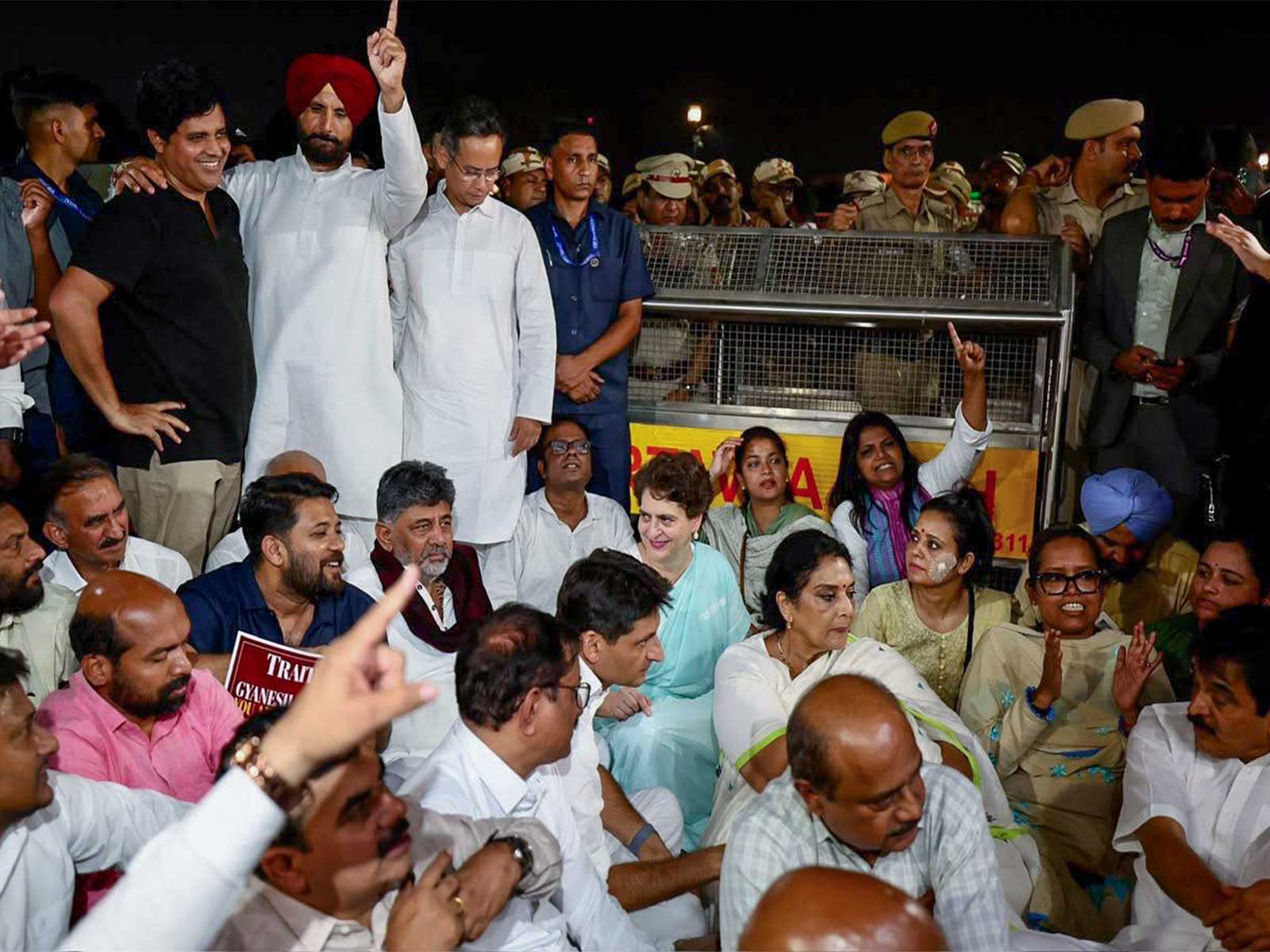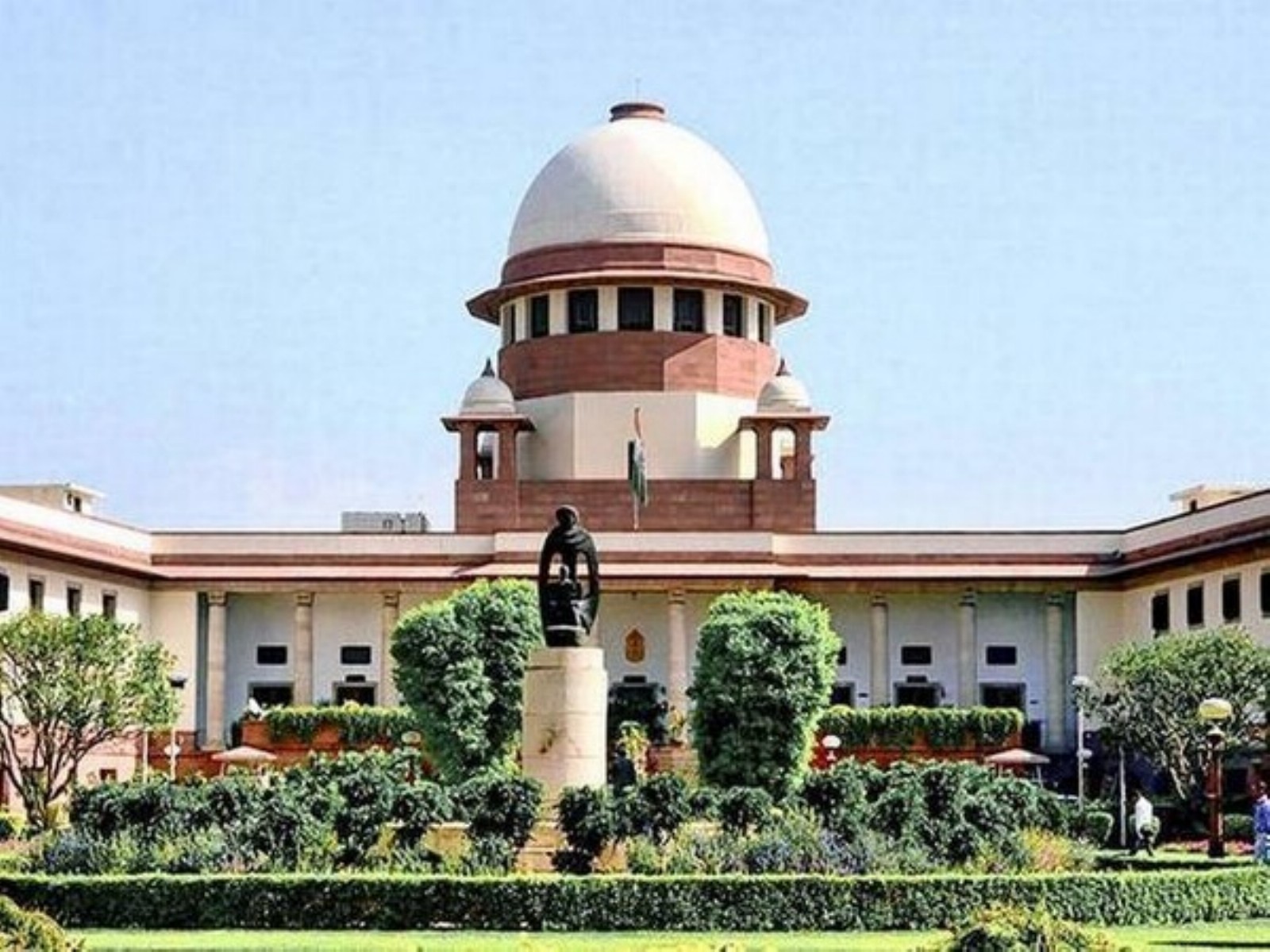
New Delhi [India], October 9 (ANI): The Supreme Court on Friday objected to restrictions imposed in Delhi ahead of the October 10 protests that could disrupt the normal lives of citizens, particularly those who have no intention of joining the ongoing demonstrations.
The Court said Metro and train services cannot be completely stopped and asked authorities to reconsider such restrictions in a proportionate manner.
The bench led by Chief Justice of India (CJI) Surya Kant and comprising Justices Joymalya Bagchi and V Mohana also clarified that the present proceedings primarily concern restrictions affecting the movement of ordinary citizens and public transport and not the broader right to protest.
It asked organisers or protesters who have grievances directly concerning their right to hold demonstrations or restrictions imposed on them to urgently move the Court with their concerns.
“We have serious concerns about this. Our concern is not about the protesters, or about the authorities, but about hundreds and thousands of commuters in Delhi for their livelihood, children and senior citizens. We are talking about common citizenry. They should not be disturbed. Everybody doesn’t have a car or facilities,” the CJI said.
The Court said authorities must exercise “abundant precaution” while imposing restrictions and ensure that ordinary citizens are neither inconvenienced nor exposed to danger.
“Our daughters, young children, senior citizens, they need to be protected. So measures should be there,” the Court said.
On the alleged restrictions on the movement of trains to Delhi, the Court said regulation of the frequency of trains could be justified, but a complete prohibition could not be imposed.
“We make it clear that no complete prohibition of movement of Metro should be imposed. The Solicitor General has fairly agreed to impress upon the authorities to reconsider the prohibition and allow Metro and other trains in such a regulated manner so that no inconvenience is caused to residents of Delhi, keeping in mind the principles of proportionality,” it said.
The Court’s observations came in proceedings concerning restrictions imposed in Delhi ahead of the October 10 protests at Jantar Mantar and other designated protest sites.
Solicitor General of India (SGI) Tushar Mehta, appearing for the Centre, agreed to impress upon the authorities to reconsider the restrictions.
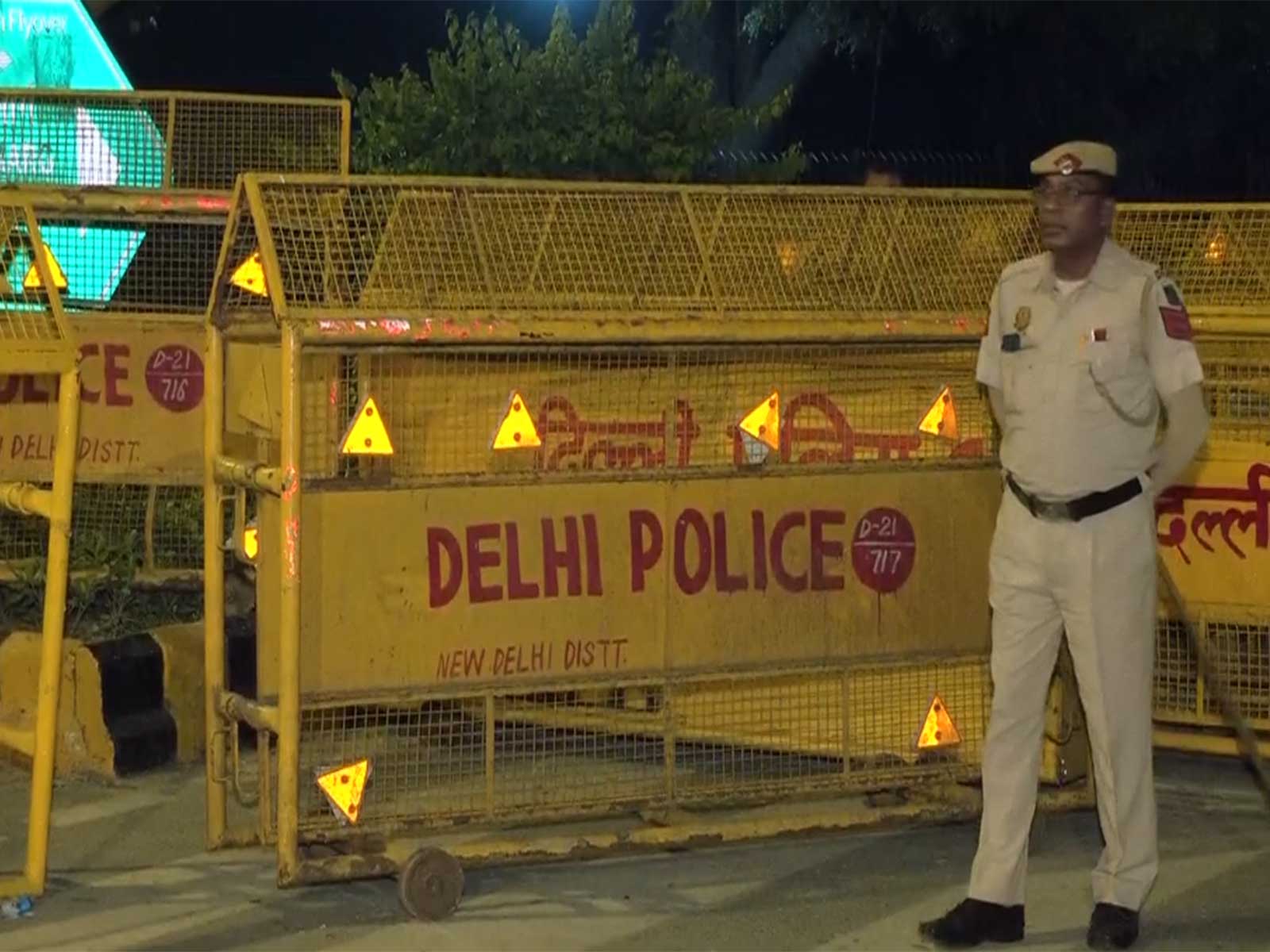
The Court also asked authorities to revisit barricading on roads across Delhi and directed that restrictions, barricades and alternative routes be widely publicised through newspapers, official websites and other platforms.
It said commuters must be informed in advance about restrictions and guided towards alternate routes wherever roads are barricaded.
The bench said law-and-order concerns could justify restrictions if supported by genuine and reasonable reasons. However, restrictions without such justification would be unreasonable.
The Court said the directions passed on Friday were focused on ensuring that the daily lives and movement of common citizens were not unnecessarily disrupted.
On concerns raised by petitioners regarding the rights of protesters, the Court asked them to place those issues on record in the appropriate petitions. It said those questions could be considered either during the day’s hearing or at a subsequent hearing on Saturday.
Senior Advocate Kapil Sibal said the petitioners would place their concerns on record.
During the hearing, SGI Tushar Mehta, representing the Centre, informed the Court that the organisers had sought permission to hold a protest on July 20 and that permission was granted the same day. He said the organisers had also furnished a written undertaking agreeing to comply with the conditions imposed by the authorities.
The Solicitor General of India (SGI) said the permission was for one day, but the protesters continued their demonstration for 17 days. He also alleged that several penal violations were recorded during the protests and that protesters had entered the Parliament premises.
“Parliament is not just a political institution. It represents the sovereignty of India,” Mehta said, stressing that nobody could enter the Parliament building without permission.
He also claimed that more than 200 police personnel had been “molested” during those protests including lady police officers who were also harassed.
Thus, to protect citizens, the law and order machinery must be there, the SG added.
The plea filed by CPI(M) General Secretary M.A. Baby challenged the closure of 57 Delhi Metro stations, cancellation of Mail/Express trains scheduled to reach New Delhi and Hazrat Nizamuddin on October 10, and alleged interception and detention of people travelling to Delhi to participate in the protest. It sought directions to quash the October 8 communication issued by the Joint Commissioner of Police, Transport Range, directing closure of the Metro stations, restore normal Metro services and cancelled train services, and permit and regulate the proposed peaceful assembly at Jantar Mantar.
The petition contended that the measures were arbitrary, disproportionate and without authority of law, arguing that they infringed the rights to freedom of speech, peaceful assembly and movement under Articles 19(1)(a), 19(1)(b) and 19(1)(d), besides Articles 14, 21 and 22.
It said the Metro closure communication cited only the “likelihood of unruly mob movement”, did not specify any statutory power or end date, and amounted to a prohibition rather than regulation of the protest. The plea also sought protection against interception or detention of people merely for travelling to Delhi to participate in a peaceful protest. (ANI)
Related reading