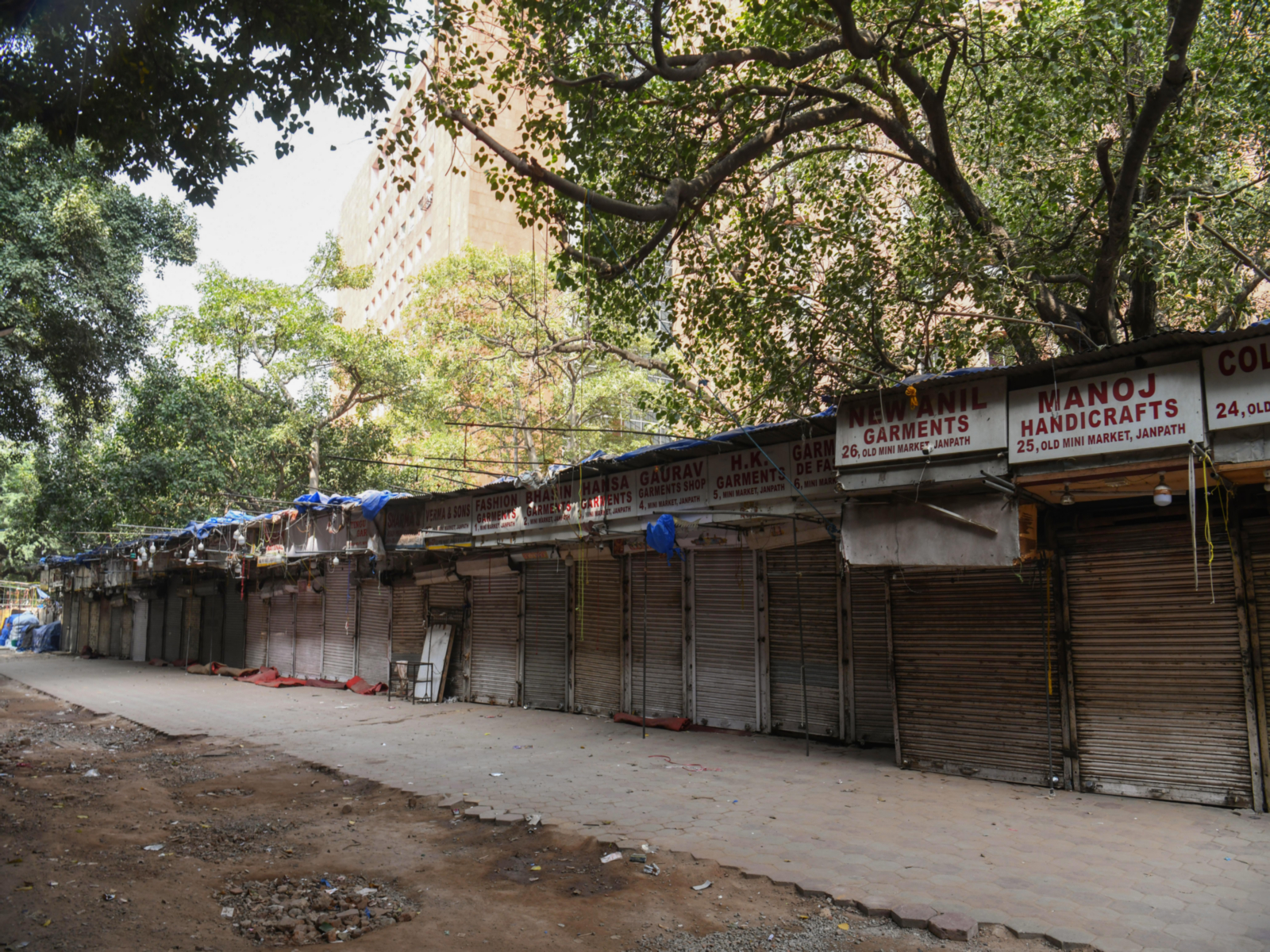
New Delhi [India], October 16 (ANI): Business owners from major commercial districts have warned that the ongoing demonstrations coincide with the peak festive trading window, including Navratri and Diwali, jeopardising an operational cycle that typically accounts for the vast majority of annual merchant revenues.
Amid the ongoing protests in Delhi, wholesale hubs, which depend heavily on merchants and retail buyers travelling from across the country, have been severely impacted by transit blocks and security cordons.
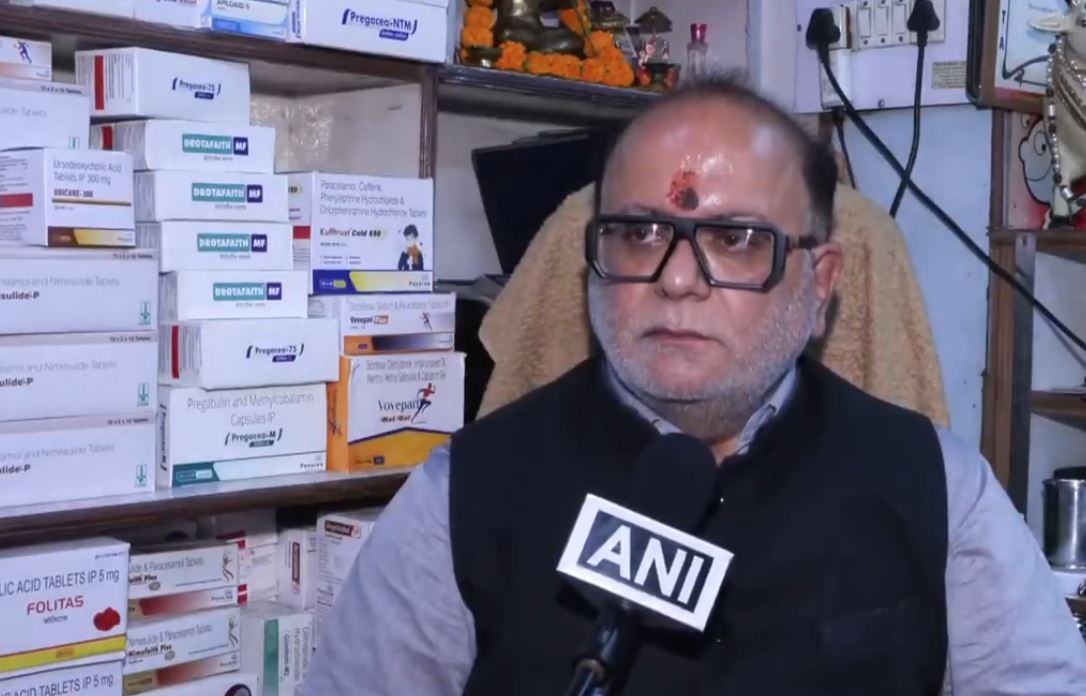
Secretary of the Delhi Drug Traders Association, Ashish Grover, noted that trade bodies have formally approached the judiciary to challenge the timing and location of these urban demonstrations.
“A petition has been filed today and is listed for 26 October. Traders have approached the court after suffering repeated disruptions, particularly during the festive season, when businesses depend on customers travelling to Delhi from other parts of the country. We question why such protests repeatedly take place during festivals. Demonstrations should be conducted peacefully and through constitutional means, at designated locations on the outskirts of Delhi, without disrupting markets such as Chandni Chowk and Connaught Place. Traders estimate daily business losses of Rs 200–250 crore, with wholesale markets particularly affected during Navratri and Diwali,” Grover told ANI.
The Chamber of Trade and Industry (CTI) echoed these concerns, pointing out that nationwide supply chains and capital distribution networks feel the pinch whenever commercial activity in the national capital grinds to a halt.
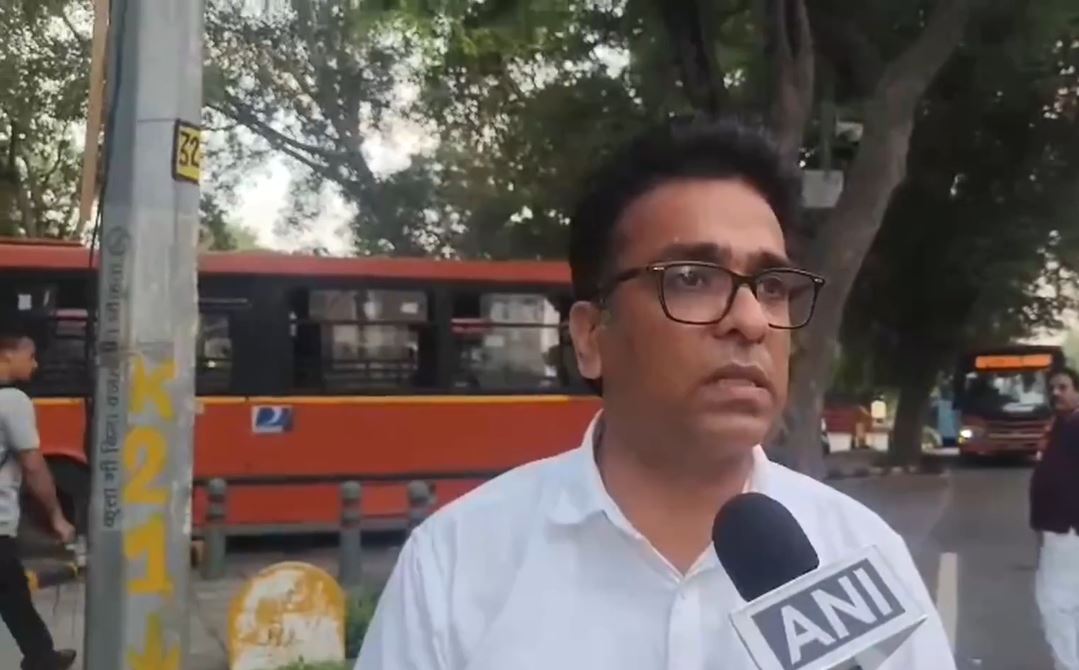
CTI Vice President Rahul Adlakha, while talking to ANI, emphasised the urgency of establishing strict regulatory frameworks for public demonstrations.
Rahul Adlakha said, “Significant losses have already been incurred… Over the last 15 days, business has come to a complete standstill… If business in Delhi comes to a halt, it effectively means business across the entire nation comes to a standstill. It seems that whenever Hindu festivals arrive, some form of propaganda is introduced. The people who suffer the most from this are the nation’s traders… We are even urging the government to establish guidelines for those who issue calls for protests…”
Specialised retail sectors, including electrical goods and photography equipment markets, report that their annual viability rests almost entirely on festival-season momentum.
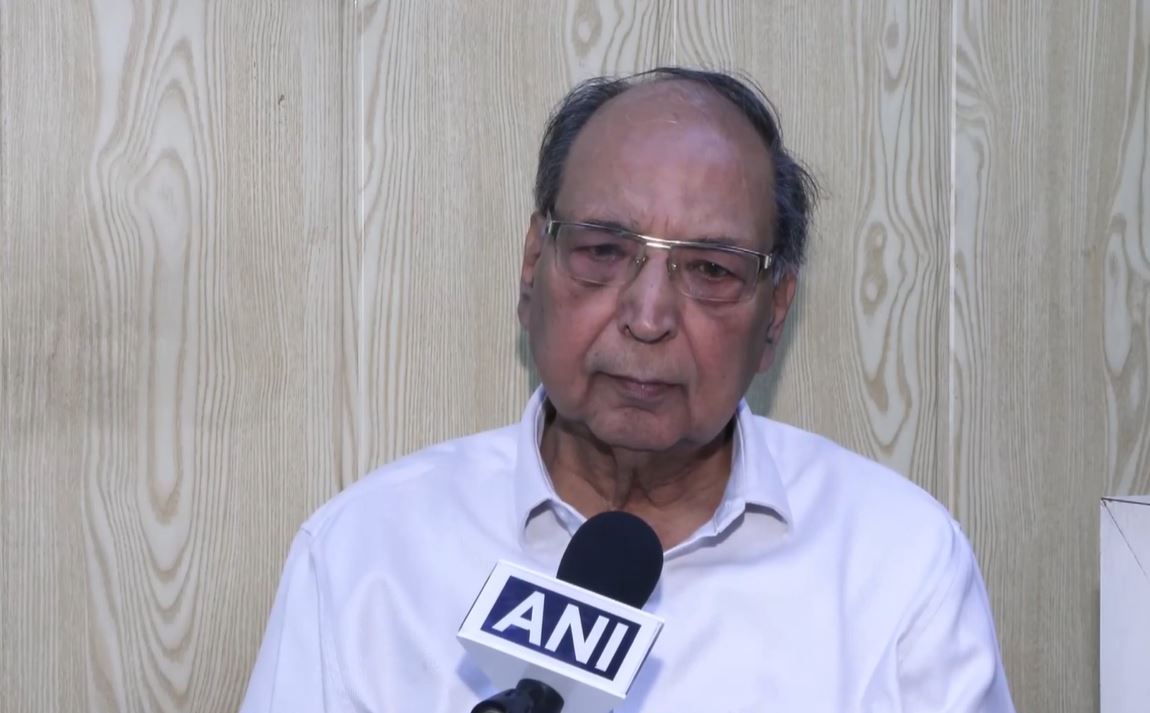
Speaking to ANI, Ajay Sharma, President of the Delhi Electrical Traders Association, Ajay Sharma, explained that the current disruptions hit merchants during their most critical financial window.
“Our festive season runs from Raksha Bandhan in August until after Diwali, accounting for around 75% of our annual income. Protests and disruptions during this crucial period severely affect traders… This festive season has already suffered, so I urge the government to prevent such protests, particularly in central commercial areas of Delhi,” Sharma said.
The sentiment was reinforced across other high-street retail segments, with associations pointing out that unmanaged street protests exacerbate existing market slowdowns.
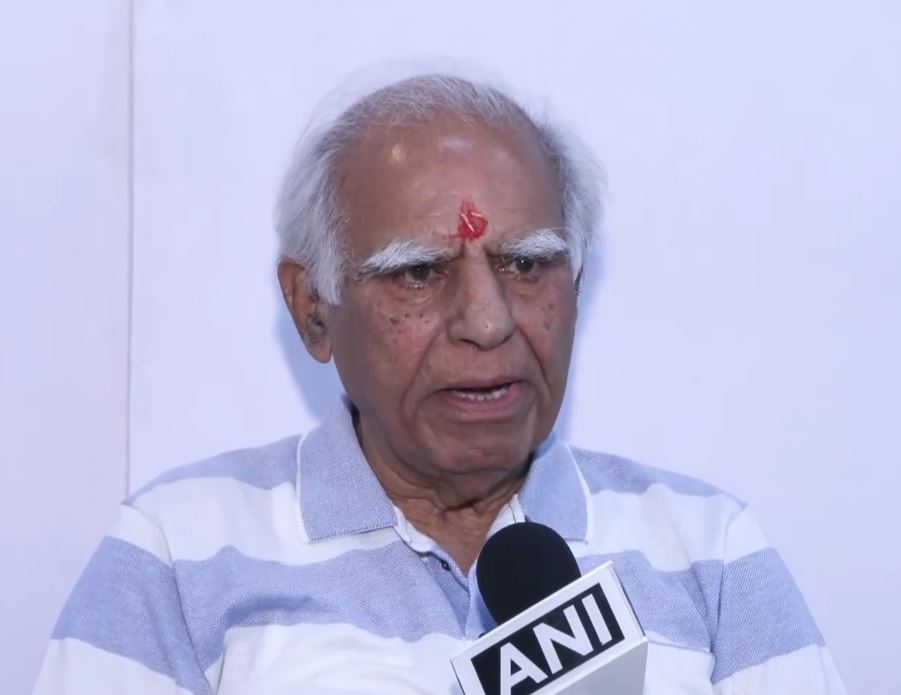
President of the Photo Market Traders Association, Vijay Kumar Sethi, called for firm administrative measures to safeguard commercial zones.
“Traders are suffering losses as protests are taking place during the festive season, when business is crucial. These demonstrations are worsening the slowdown already affecting traders. The government should take firm action to prevent such disruptions in future, as protests can harm businesses,” Sethi told ANI.
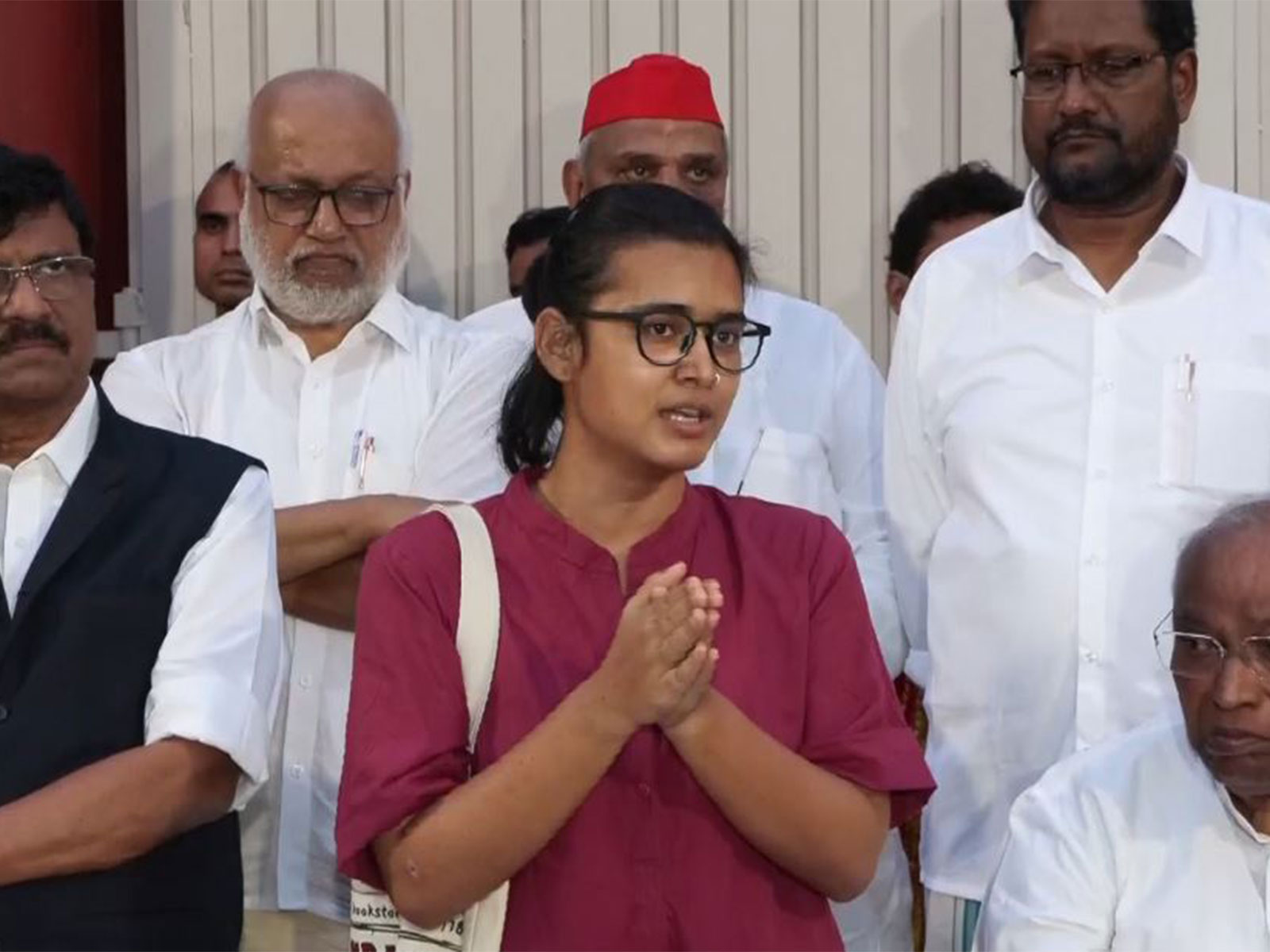
The remarks came amid a political confrontation between the opposition and the Centre over protests against Chief Election Commissioner Gyanesh Kumar and allegations surrounding the Special Intensive Revision (SIR) of electoral rolls, following which the Supreme Court refused urgent directions against the Cockroach Janta Party’s protest at Central Park, Connaught Place, amid traders’ concerns over loss of business during the festive season.
Meanwhile, Traders have placed a set of demands before the Prime Minister’s Office following the October 10 protest. They have sought an official and transparent assessment of trade losses caused by the protest, with compensation to be recovered from the organisers.
The demands also include a complete ban on demonstrations, rallies and marches in Delhi’s market areas during the October to December festive season, and the framing of strict guidelines for protest permissions that make prior consultation with local market associations mandatory.
The Cockroach Janta Party (CJP) had also proposed a “Lehra Do Tiranga” rally at Central Park in New Delhi. However, the New Delhi Municipal Council (NDMC) has announced that Central Park in Connaught Place will be closed to the public on October 16 and 17 for “administrative reasons”.
On Friday, the Supreme Court refused urgent directions against the Cockroach Janta Party’s protest at Central Park, Connaught Place, amid traders’ concerns over loss of business during the festive season.
“We hope better sense will prevail,” said a bench of Chief Justice of India Surya Kant and Joymalya Bagchi while urging that people not be inconvenienced.
The apex court said it would take up the matter on October 26, after the Dussehra vacation. (ANI)
Related reading