Bengaluru (Karnataka) [India], September 5 (ANI): A nodal centre has been opened at Bowring and Lady Curzon Hospital in Bengaluru to collect DNA samples of relatives of people affected by the Nepal floods, which will help in identifying unidentified bodies.
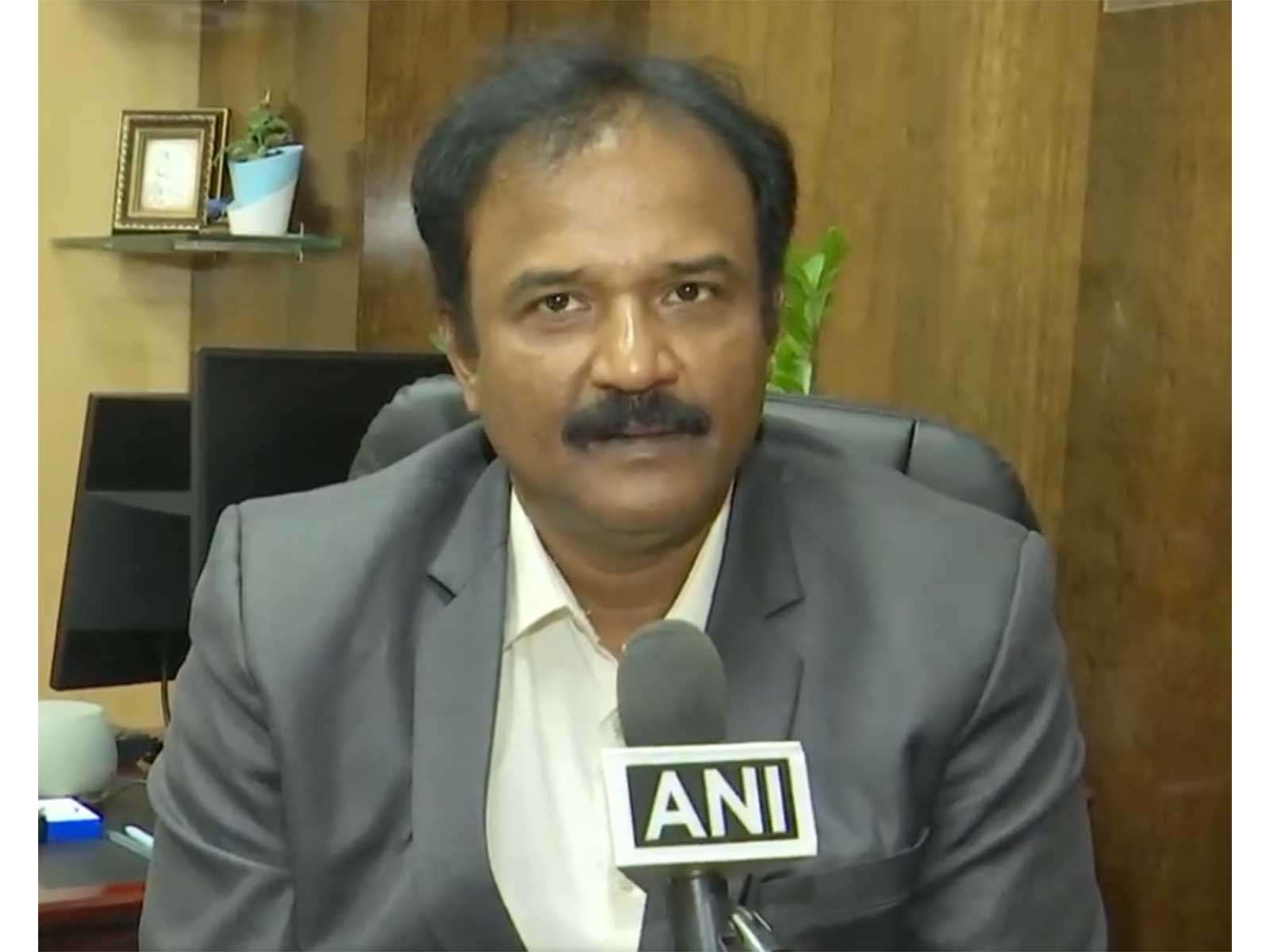
Director and Dean of Bowring and Lady Curzon Hospital, Dr Sriniwaslu Naidu, said the centre has been set up following directions from the government to collect blood samples of first-degree relatives of those affected in the Nepal floods.
“We have directions from the government to open a nodal centre for collecting the blood samples of first-degree relatives of people affected in Nepal. We’ll be collecting samples for DNA and sending them to the Forensic Science Laboratory (FSL). This will help us to identify the unidentified bodies in Nepal who were affected during the floods,” he said.
Dr Nagesh Kuppast, Head of Department (HOD), Forensic Science of Medicine at the hospital, said relatives of victims can provide samples for DNA fingerprinting by carrying valid identification documents.
“Relatives of the victims of the Nepal floods can give their samples for DNA fingerprinting. They should carry their Aadhaar card and any other government-issued identification card, along with two passport-size photos. Forensic Science Laboratory (FSL) people will collect that sample and do DNA fingerprinting,” he said.
“First-degree relatives mean the father, mother, son, or daughter. Those can have a 50 per cent match. Whereas in second degree, it goes down to 25 per cent. Any relative will help in the identification of the deceased in the Nepal floods,” Dr Kuppast said.
Meanwhile, India and Nepal rescue teams are continuing a rescue mission at the Chilime tunnel, removing heavy debris, water and mud from inside the tunnel, Ambassador of India to Nepal Naveen Srivastava said on Saturday.
In a post on X, Srivastava said, “The India & Nepal rescue team continue to remove heavy debris, water & mud, which in the interior has reached close to the roof of the Chilime tunnel.”
He said work was also underway to construct an access road from nearby Syafrubesi to the tunnel portal to facilitate the rescue operation. He further elaborated that, given the “difficult terrain” and “narrow valley”, heavy helicopter usage is not possible.
“This would allow heavy machinery to be taken deep into the tunnel. In parallel, work is also underway to make an access road from nearby Syafrubesi to the tunnel portal. Given the difficult terrain & narrow valley, heavy helicopter usage is not possible. Access road would allow an excavator to be brought to the site and assist rescue operations,” Srivastava said.
India continues to assist Nepal in the HADR operations in the country. (ANI)
Related reading