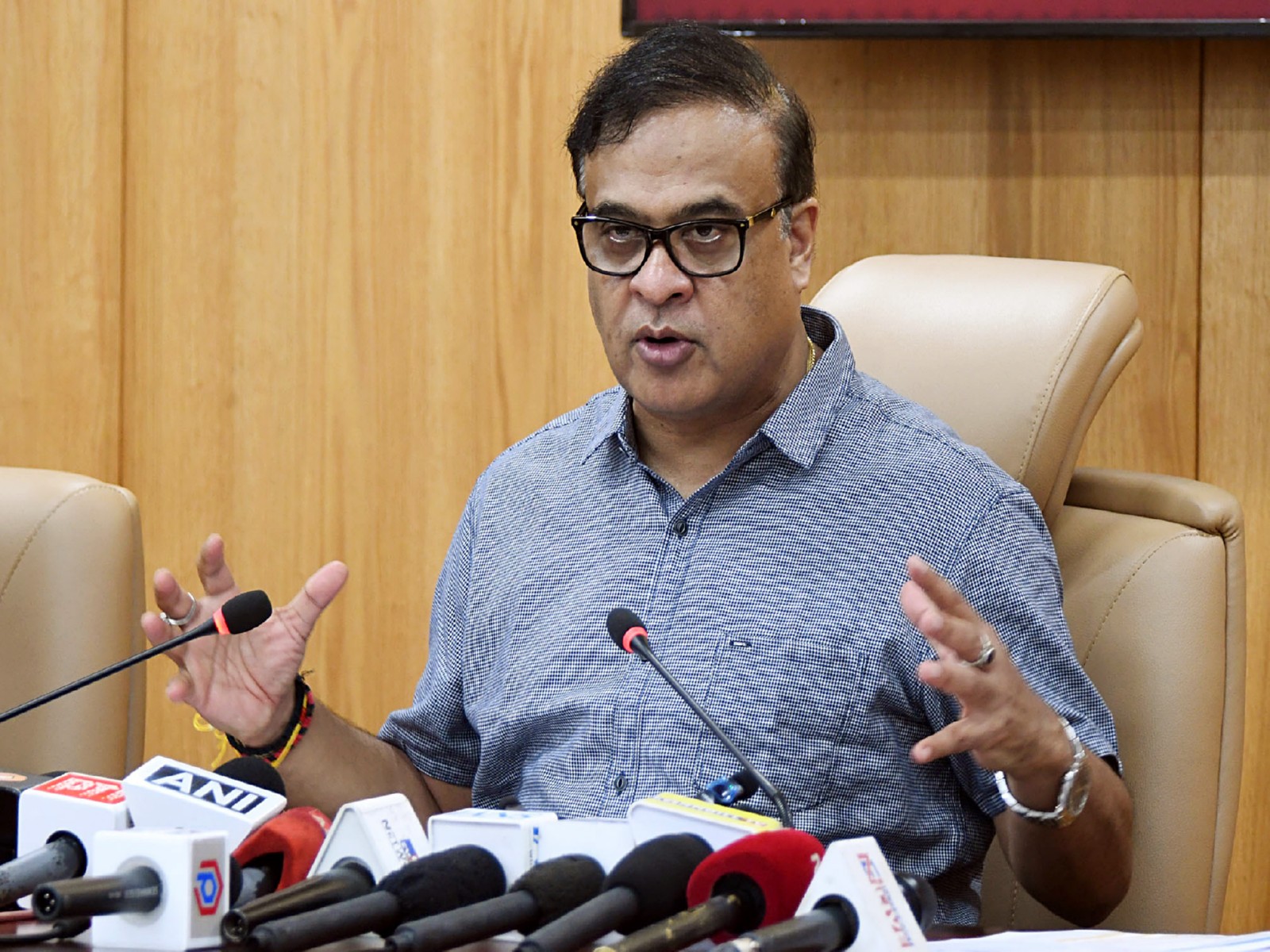
Guwahati (Assam) [India], July 30 (ANI): Assam Chief Minister Himanta Biswa Sarma on Thursday announced that Aadhaar-seeded transfers under the Orunodoi scheme will resume from August 1, with 37.1 lakh women beneficiaries set to receive Rs 1,250 each and beneficiaries in flood-affected areas will receive Rs 2,500 this month.
Sarma said the state government will transfer the assistance directly to the bank accounts of eligible beneficiaries.
“From 1 August, we will resume Aadhaar-seeded Orunodoi transfers. 37.1 lakh mothers & sisters will receive Rs 1250. For those in flood-affected areas, this amount would be Rs 2500. We will also deploy Orunodoi Sahayaks to support those who require assistance on this scheme,” the Chief Minister said.
He added that beneficiaries in the flood-affected districts of Sivasagar, Charaideo, Jorhat and Golaghat will receive Rs 2,500 this month to support their recovery and rehabilitation.
“August will be a special month for Assam as several welfare programs to serve our people will gain a new momentum,” Sarma said.
In this regard the Assam Chief Minister on Wednesday held a video conference with all District Commissioners from Dispur.
“Come the first week of August, we will begin distribution of application forms for Nijut Moina and Nijut Babu. We aim to provide financial support of over Rs 300 crore to more than 5 lakh students in October, which will help them in supporting their education,” he said.
Sarma also announced that the state government will revive its subsidised ration scheme from August 10, under which more than 70 lakh beneficiaries will receive free ration along with 1 kg of masur dal and 1 kg of sugar for a total cost of Rs 100 per ration card.
The Chief Minister directed the administration to ensure saturation of all welfare schemes and provide a seamless experience for beneficiaries.
The Orunodoi scheme is a major welfare programme of the Assam government, launched in 2020, that provides monthly financial assistance to low-income families through Direct Benefit Transfer (DBT), with the primary beneficiary in each household being a woman. (ANI)
Related reading