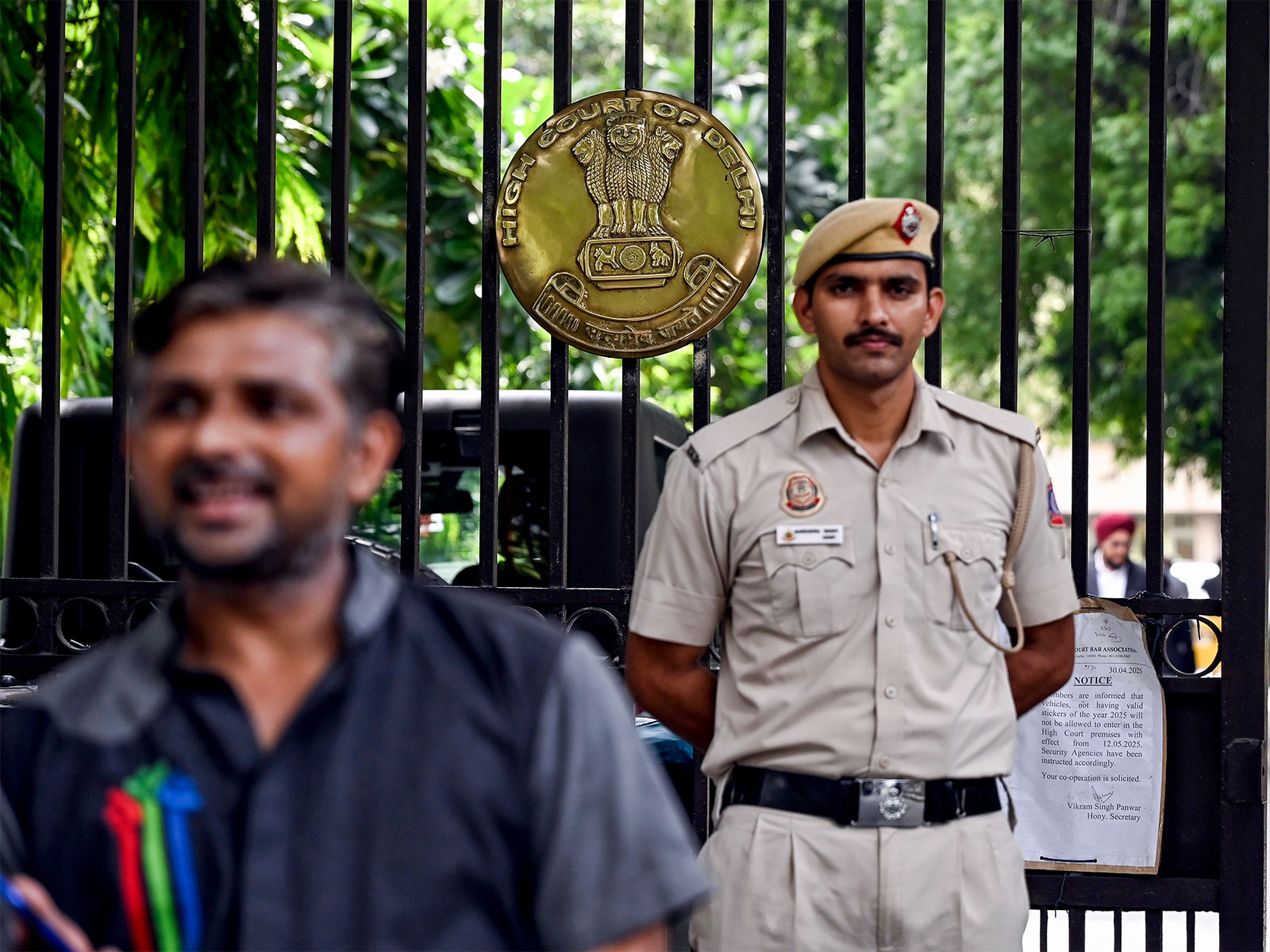
New Delhi [India], July 7 (ANI): The Delhi High Court on Monday refused to grant bail to alleged Indian Mujahideen media cell head Mansoor Asghar Peerbhoy in the 2008 Delhi serial bomb blasts case, holding that the seriousness of the allegations, the prima facie material against him and the advanced stage of the trial outweighed his prolonged incarceration of nearly 17 years as an undertrial.
The HC also directed the trial court to conclude the trial within eight months, in line with the Supreme Court’s earlier directions.
A Division Bench of Justice Prathiba M Singh and Justice Madhu Jain dismissed Peerbhoy’s appeal challenging the rejection of his third bail application by the trial court.
The High Court clarified that its observations were only for deciding the bail plea and would not influence the final adjudication of the criminal trial. It directed the trial court to proceed with and conclude the trial within eight months, as mandated by the Supreme Court in its order dated April 30, 2026.
The HC Bench noted that although the appellant had remained in custody for a considerable period, the trial had reached its concluding stage, with only two prosecution witnesses remaining. It held that releasing him at this juncture could adversely affect the ongoing proceedings.
Rejecting the plea based on prolonged incarceration, the Bench observed that the long period spent in custody, by itself, was insufficient to justify bail in a case involving synchronised terrorist attacks that resulted in the deaths of 26 people and injuries to 135 others. It said the allegations related to offences of the gravest nature, carrying punishments extending up to the death penalty.
The Court further held that while considering a bail application, it must balance not only the appellant’s right to personal liberty under Article 21 of the Constitution but also the right to life and safety of ordinary citizens, having regard to the role attributed to the accused in the alleged terrorist conspiracy.
According to the prosecution, Peerbhoy headed the media cell of the banned terrorist organisation Indian Mujahideen and, along with co-accused Mubin Kadar Shaikh, hacked into the Wi-Fi network of a Mumbai-based company to send an email titled “Message of Death” to media organisations minutes before the September 13, 2008, serial blasts. The email claimed responsibility for the attacks and contained a PDF document predicting the explosions.
The High Court observed that the prosecution had placed prima facie material linking the appellant to the alleged conspiracy, including evidence regarding the purchase of laptops allegedly used to send the email, recovery of electronic devices and forensic analysis showing the presence of the PDF files and file-erasing software. The HC held that, at the bail stage, it was required only to assess the broad probabilities and not conduct a mini-trial.
The Bench also held that the statutory embargo under Section 43D(5) of the Unlawful Activities (Prevention) Act applied to the case and found that the accusations against the appellant were prima facie true. It relied on the principles laid down by the Supreme Court in National Investigation Agency (NIA) v Zahoor Ahmad Shah Watali while examining the request for bail.
Peerbhoy had argued that he had spent around 17 years in custody as an undertrial, that the delay in completion of the trial was not attributable to him, that he had been acquitted in the Ahmedabad serial blasts case and granted bail in a related Mumbai case, and that only two prosecution witnesses remained to be examined.
However, the High Court held that these factors did not outweigh the gravity of the allegations and the advanced stage of the ongoing trial. (ANI)
Related reading