New Delhi [India], September 22 (ANI): As many as 173 students of the Indian Institutes of Technology (IITs) died by suicide or unnatural death over the last two decades, with around 70 per cent of the deaths recorded in the last 10 years, according to an IIT alumni group.
The data, compiled for the period from 2006 to September 2026, records 51 student suicides between 2006 and 2015, compared with 120 between 2016 and September 2026.
The compilation records at least 171 such deaths across the IITs over the nearly two-decade period.
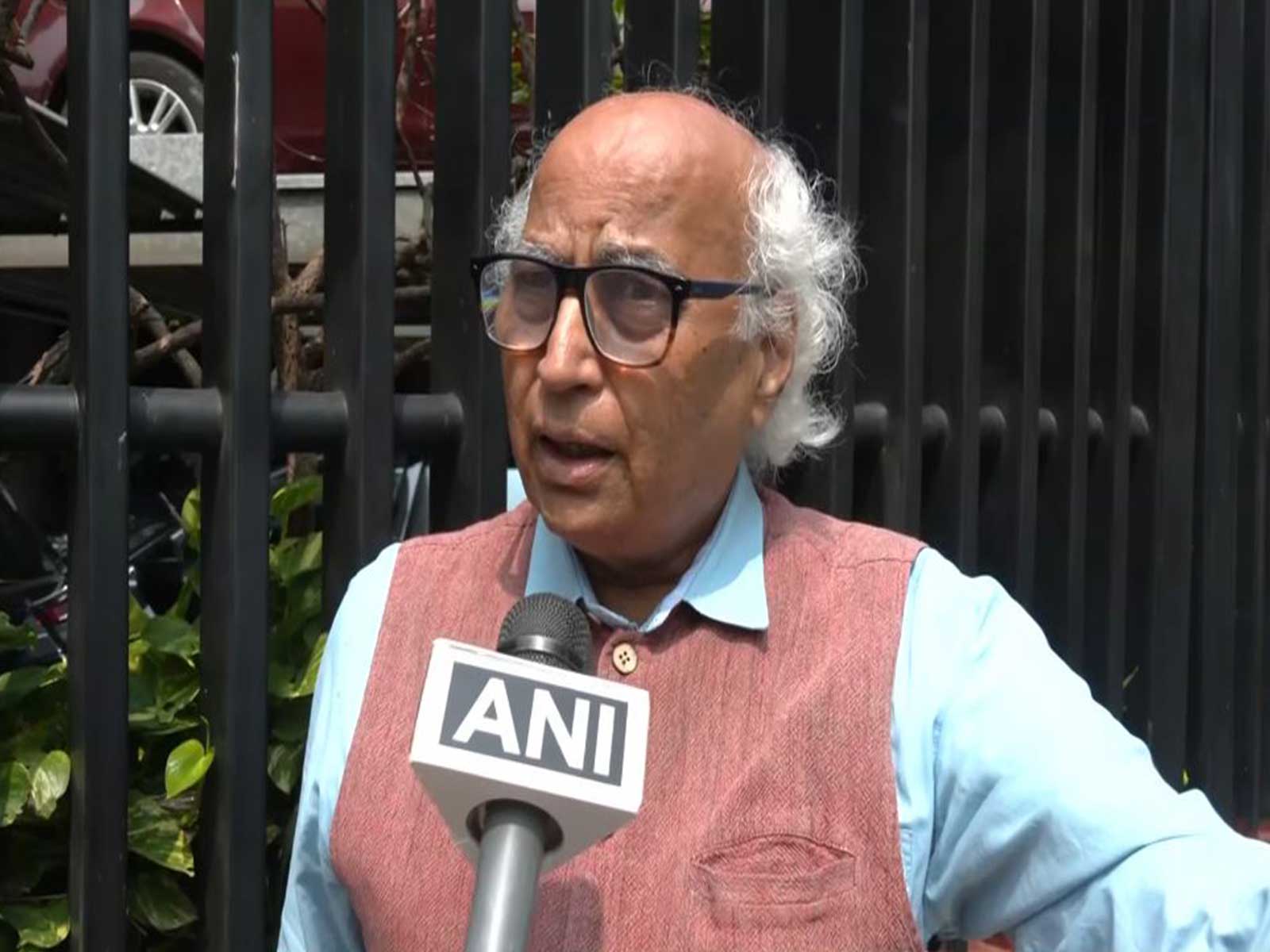
This data has been compiled by Dheeraj Singh, founder of the Global IIT Alumni Support Group and an IIT-Kanpur alumnus.
Singh’s analysis suggests that the sharp increase cannot be explained by the rise in student enrolment alone.
Around 82 per cent of the suicides recorded in the dataset occurred within IIT campuses, while deaths peaked during examination and result periods and declined during semester breaks, according to the analysis.
“The evidence establishes that student suicides in IITs constitute a chronic and worsening public health crisis, not a series of isolated or statistically insignificant events. They are patterned, foreseeable, and preventable,” Singh said.
The findings come at a time when two student deaths at IITs in the last two months have triggered protests, institutional inquiries and renewed questions over student welfare mechanisms.
At IIT Delhi, 31-year-old MSc Physics student Rishikesh Kumar died on August 22. His death led to student protests demanding an independent probe and accountability, following which the institute constituted an external inquiry committee to examine the circumstances surrounding his death.
At IIT Bombay, 20-year-old BTech student Sahil Wakode died on September 19, shortly after an incident during a mid-semester examination in which he was allegedly found using a mobile phone and an AI platform. The incident triggered protests on campus. IIT Bombay later apologised for its initial statement on the circumstances preceding the death, saying it was inappropriate to make such statements while the matter was under investigation.
Singh’s analysis further suggests that male BTech students and female PhD scholars were particularly vulnerable, with the two groups together accounting for around 60 per cent of suicides recorded over the two decades.
The compilation also points to disparities across social categories. SC and ST students died at roughly twice the rate of General-category students over the period, according to the analysis, and died at younger ages than their General and OBC counterparts.
In the post-Covid period, the suicide death rate among SC students was 2.6 times higher and among ST students 4.2 times higher compared with General-category students, the analysis claims.
Speaking to ANI in August, Singh proposed a 14-point policy roadmap, including structured mentoring involving peers, seniors and alumni; early identification of students at risk through attendance and continuous assessment; confidential access to mental-health services; campus-wide mental-health surveys; and training for faculty, staff and students.
Other recommendations include incorporating campus wellbeing indicators into the National Institutional Ranking Framework, appointing dedicated wellbeing leadership at IITs, establishing an independent expert committee to examine past deaths, and integrating diversity and inclusion considerations into mental-health planning.
“The accompanying policy roadmap outlines fourteen targeted interventions — many low-cost and immediately implementable — to address academic stress, early identification of risk, inequities affecting marginalised students, and institutional accountability,” Singh said.
“Together, the evidence and recommendations provide a clear opportunity for timely action to safeguard student life, dignity, and equality,” he said.
The dataset is a compilation of RTI responses and media reports and is not a centralised official database of all IIT student deaths. The findings therefore represent Singh’s analysis of the available data and would require verification against official institutional records. (ANI)
Related reading