Washington [US], September 1 (ANI): There are some fashion moments that belong to a particular era, and then there are those that seem to transcend time. Princess Diana’s wardrobe belongs firmly in the latter category. From the soft, romantic silhouettes of her early royal years to the confident gowns, tailored looks and casual sportswear she embraced later, Diana’s clothes became an unmistakable part of her public identity.
Decades after she first captivated the world, Diana, Princess of Wales, remains one of the most enduring fashion icons of the 20th century. Her wardrobe was photographed, discussed and remembered almost as closely as her public life itself. Today, pieces from that wardrobe offer a chance to revisit some of the moments that made her style so memorable.
That enduring legacy is at the heart of “Princess Diana’s Style and A Royal Collection,” a historic retrospective and major sale presented by Julien’s Auctions. Described as the largest collection of the Princess of Wales’ fashion ever to appear at auction, the exhibition brings together gowns, suits, shoes, handbags and accessories associated with some of the most recognisable moments of Diana’s public life.
Seen together, the pieces offer something more intimate than a conventional fashion retrospective. They form a visual record of a royal figure learning to navigate public expectations while developing a style that eventually became unmistakably her own.
Walking through the collection is akin to leafing through a vintage, high-definition photo album of the 1980s and 1990s.
The clothes move through different chapters of Diana’s life, from the soft romanticism of her early royal years to the sophisticated glamour of international tours and the approachable style she increasingly embraced.
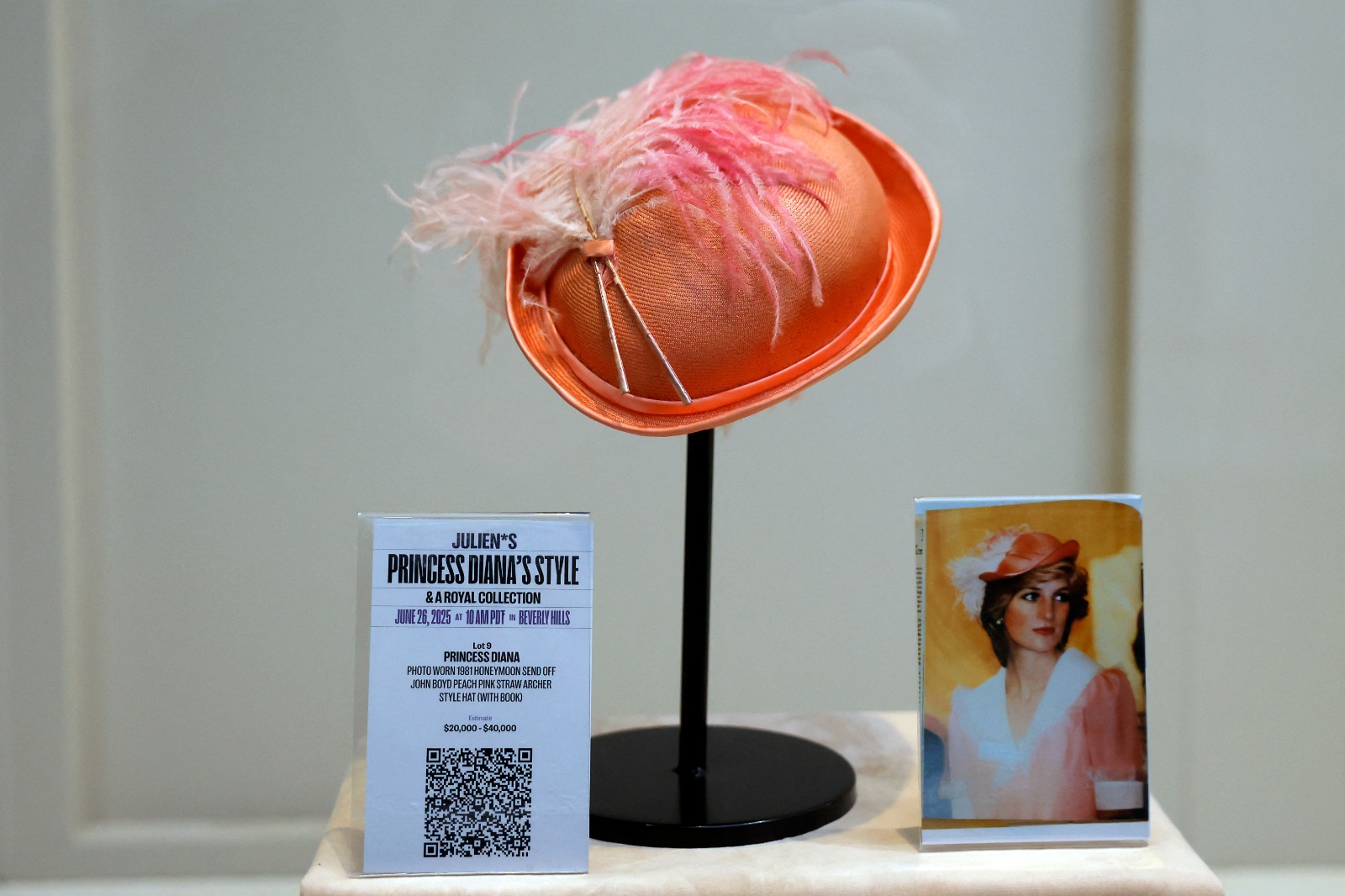
Among the most striking pieces is a peach-pink straw archer-style hat created by milliner John Boyd. Complete with soft, sweeping plumes, the hat was worn during Diana’s 1981 honeymoon send-off. Its delicate appearance captures the romantic image associated with her early years as a member of the Royal Family.
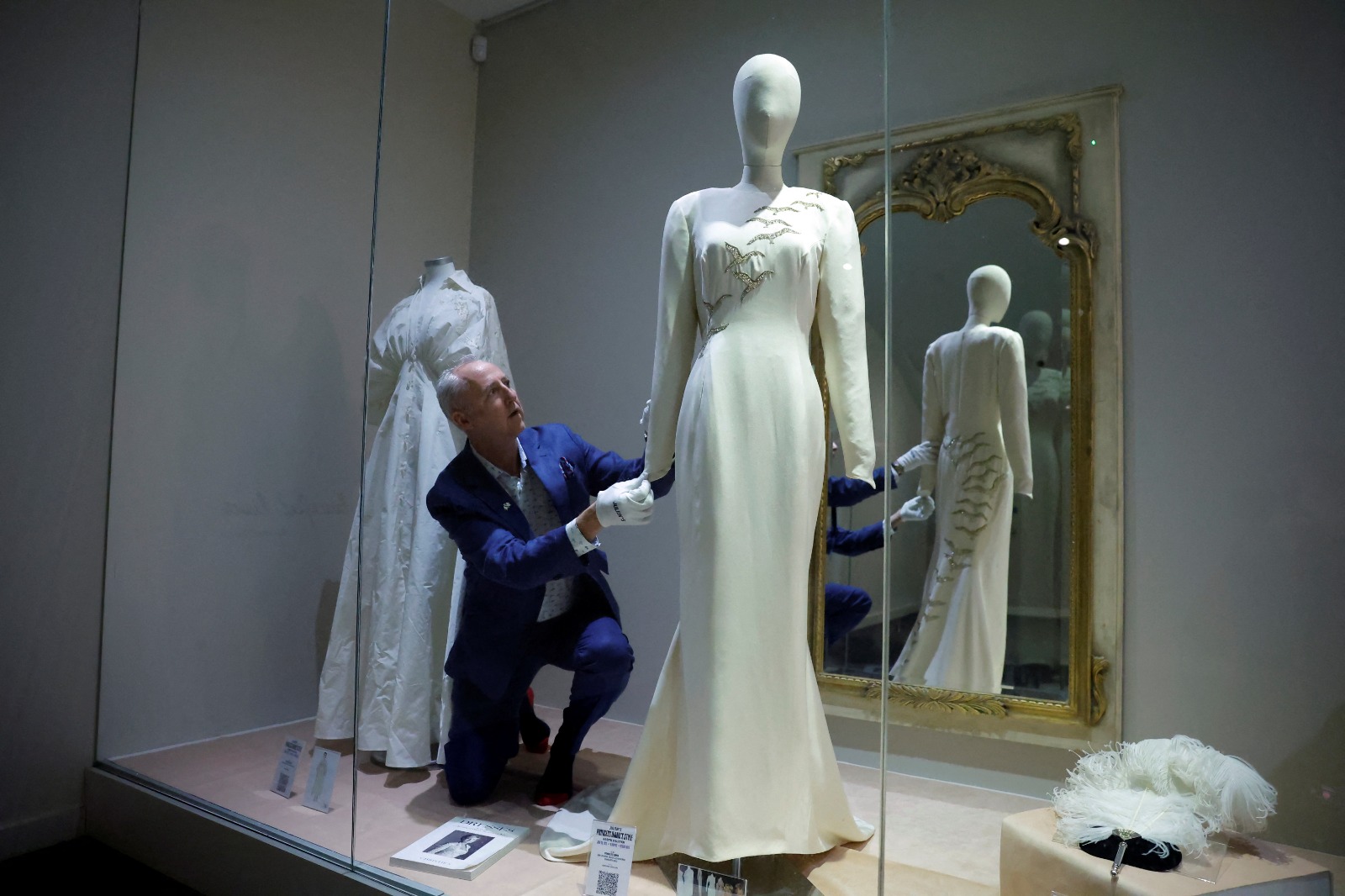
Elsewhere, the exhibition demonstrates how Diana’s clothing could carry a diplomatic message as effectively as any formal speech. A cream silk “Falcon” evening gown by Catherine Walker, created for her 1986 tour of Saudi Arabia, is embroidered with gold falcons. The gown combined formal elegance with an apparent sensitivity to the cultural setting in which it was worn.
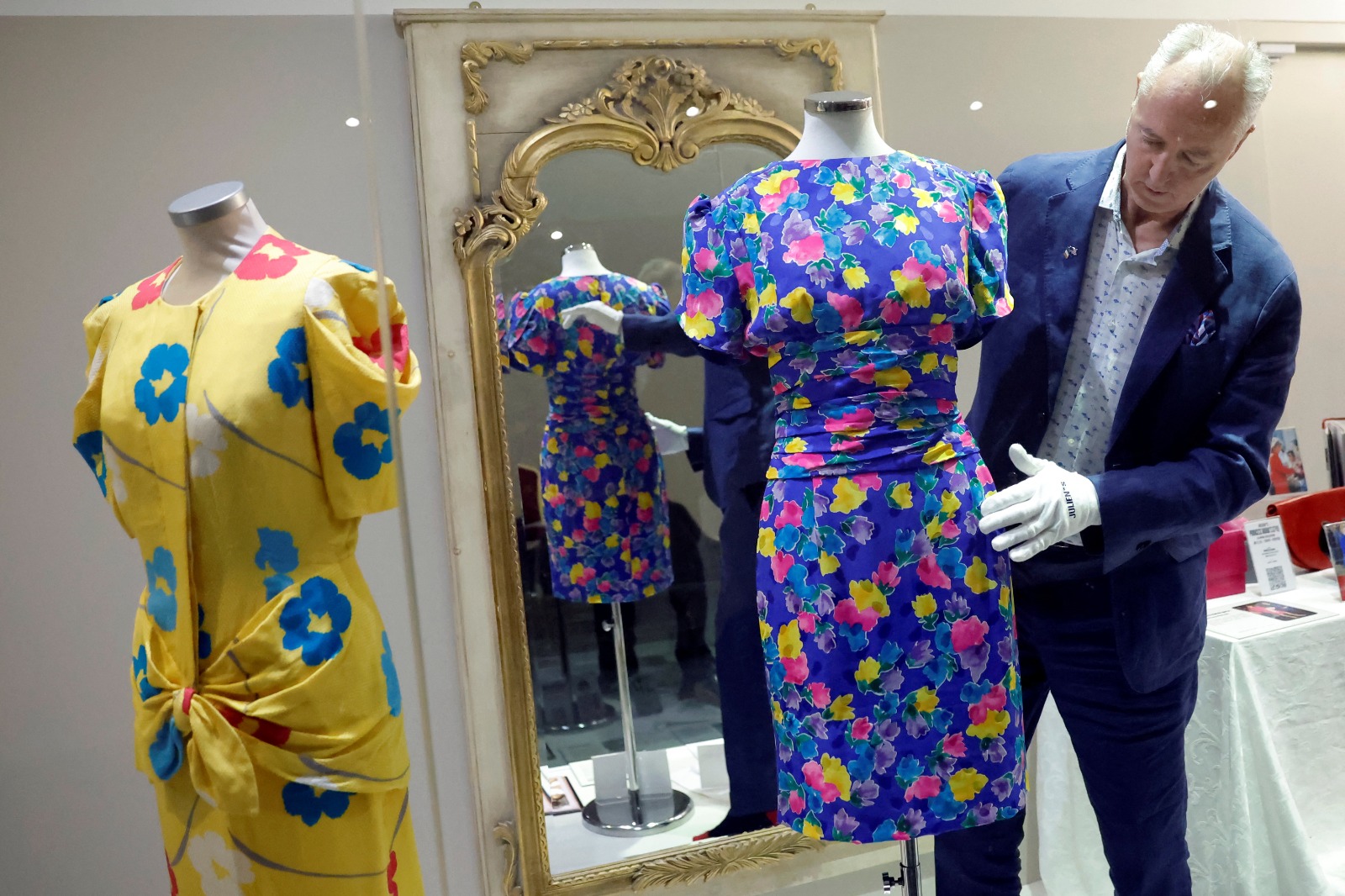
The collection also traces Diana’s willingness to embrace bolder colours and patterns. A bright yellow floral two-piece outfit by Bruce Oldfield, worn to the 1987 Royal Ascot, represents the exuberant energy of 1980s fashion.
Together, these pieces illustrate the breadth of Diana’s public wardrobe. There was no single formula. Her style could be romantic, formal, colourful, understated or deliberately casual, depending on the occasion.
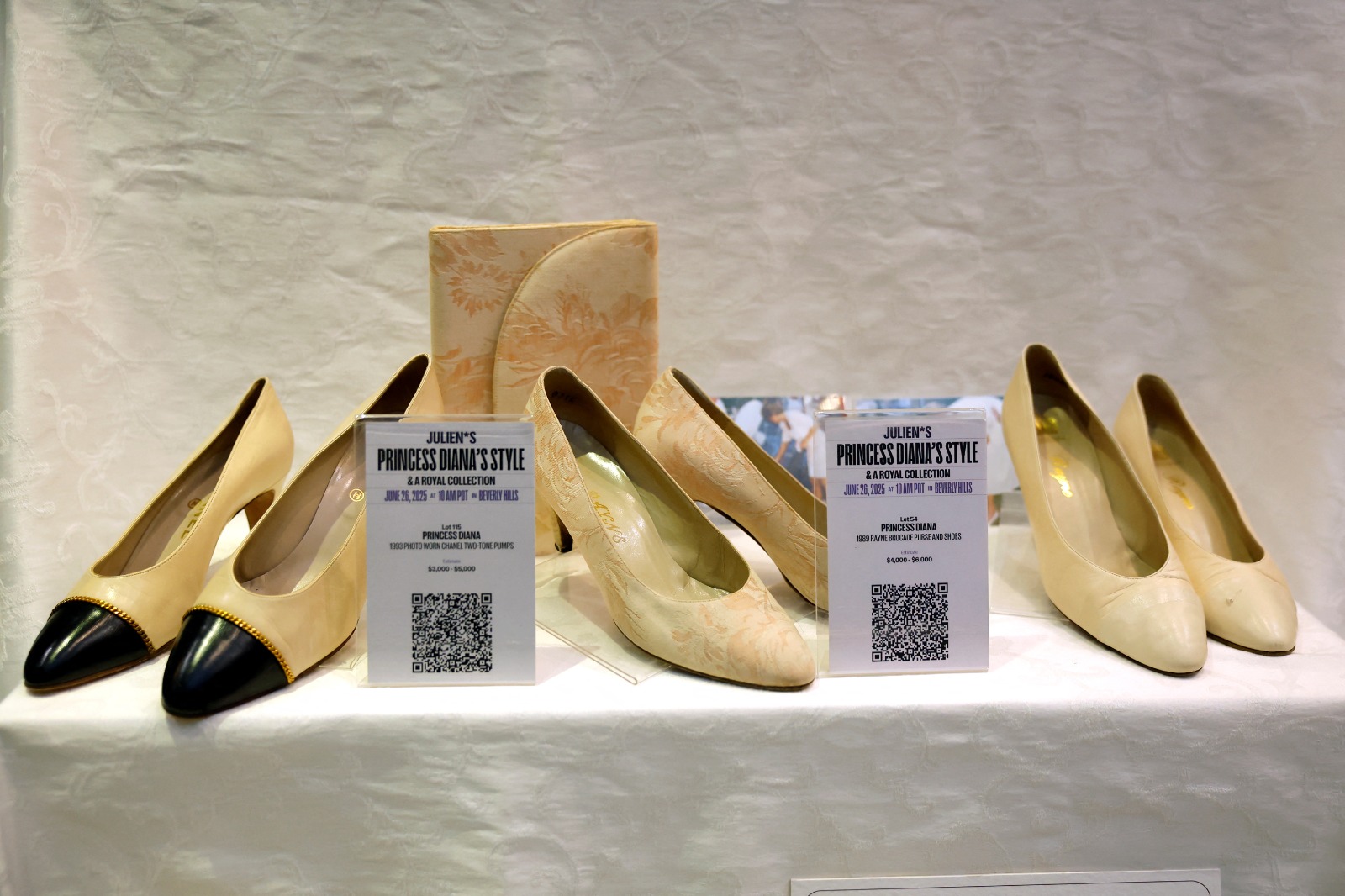
That range is also evident in the accessories assembled for the retrospective. Classic Chanel two-tone pumps and custom Rayne brocade heels appear alongside handbags that became strongly associated with Diana’s public image.
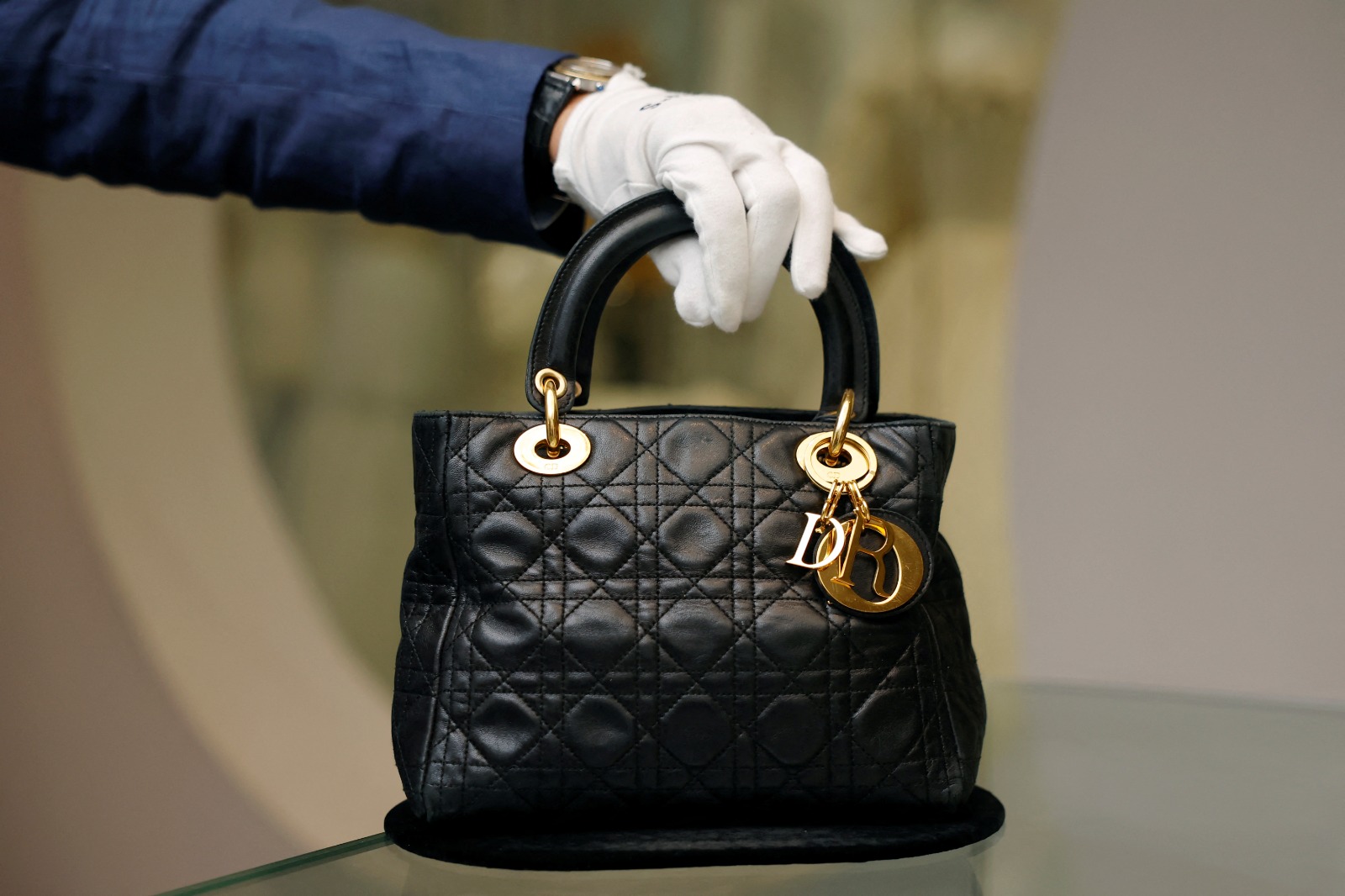
Among them is the Lady Dior handbag, a classic silhouette famously renamed in her honour. Its inclusion reinforces how closely Diana became associated not simply with individual outfits, but with particular fashion objects and silhouettes that remain instantly recognisable.
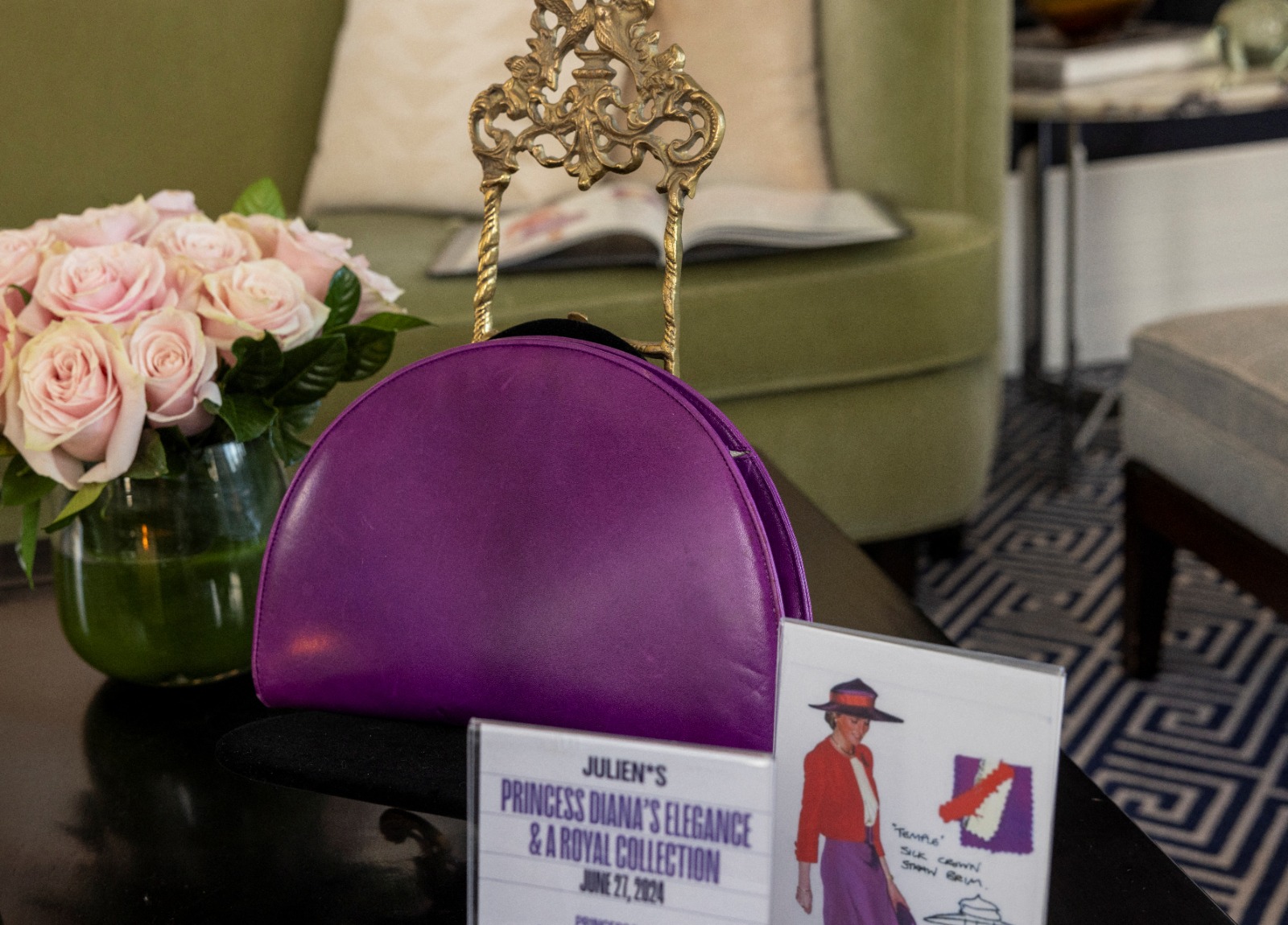
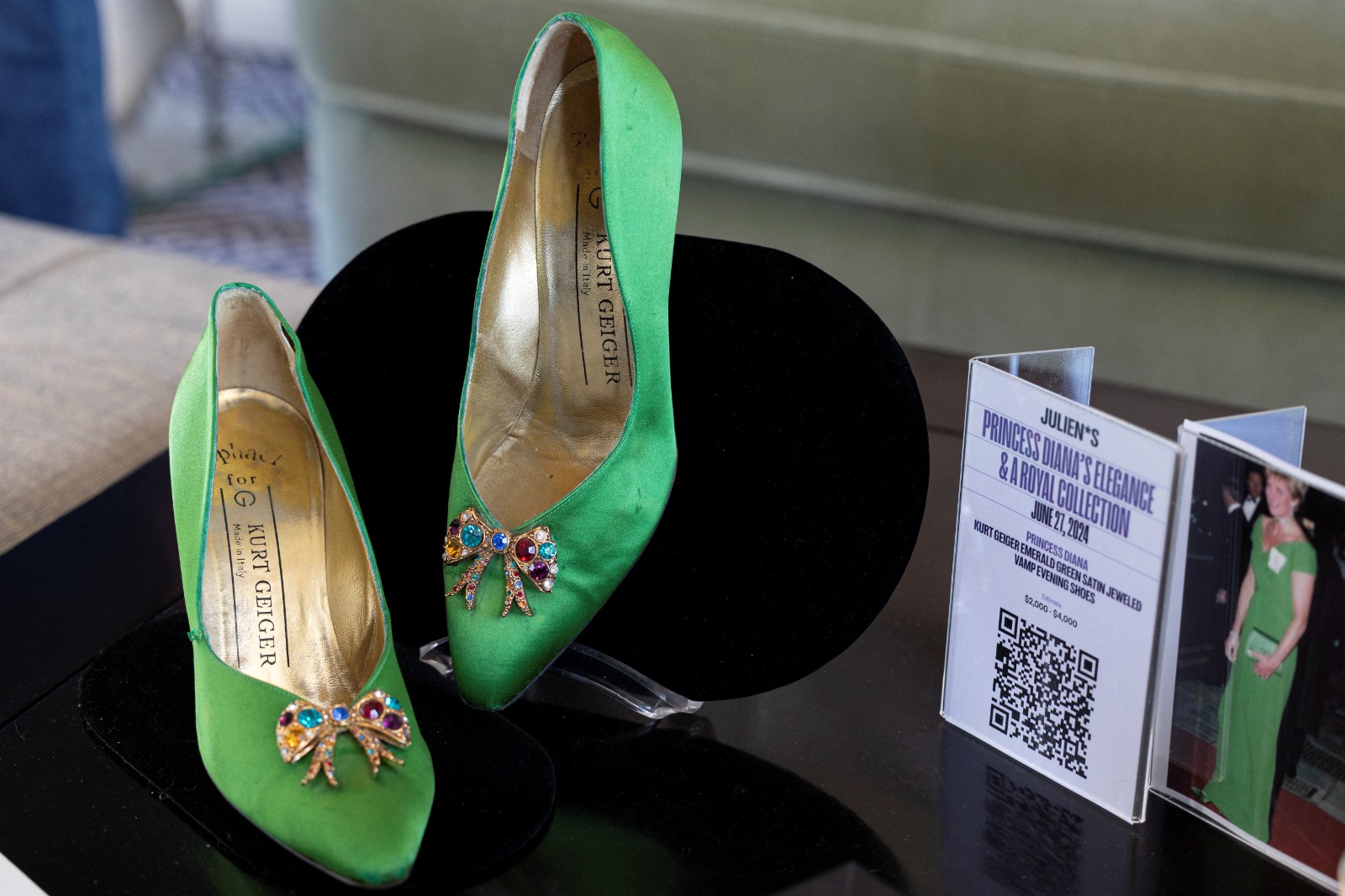
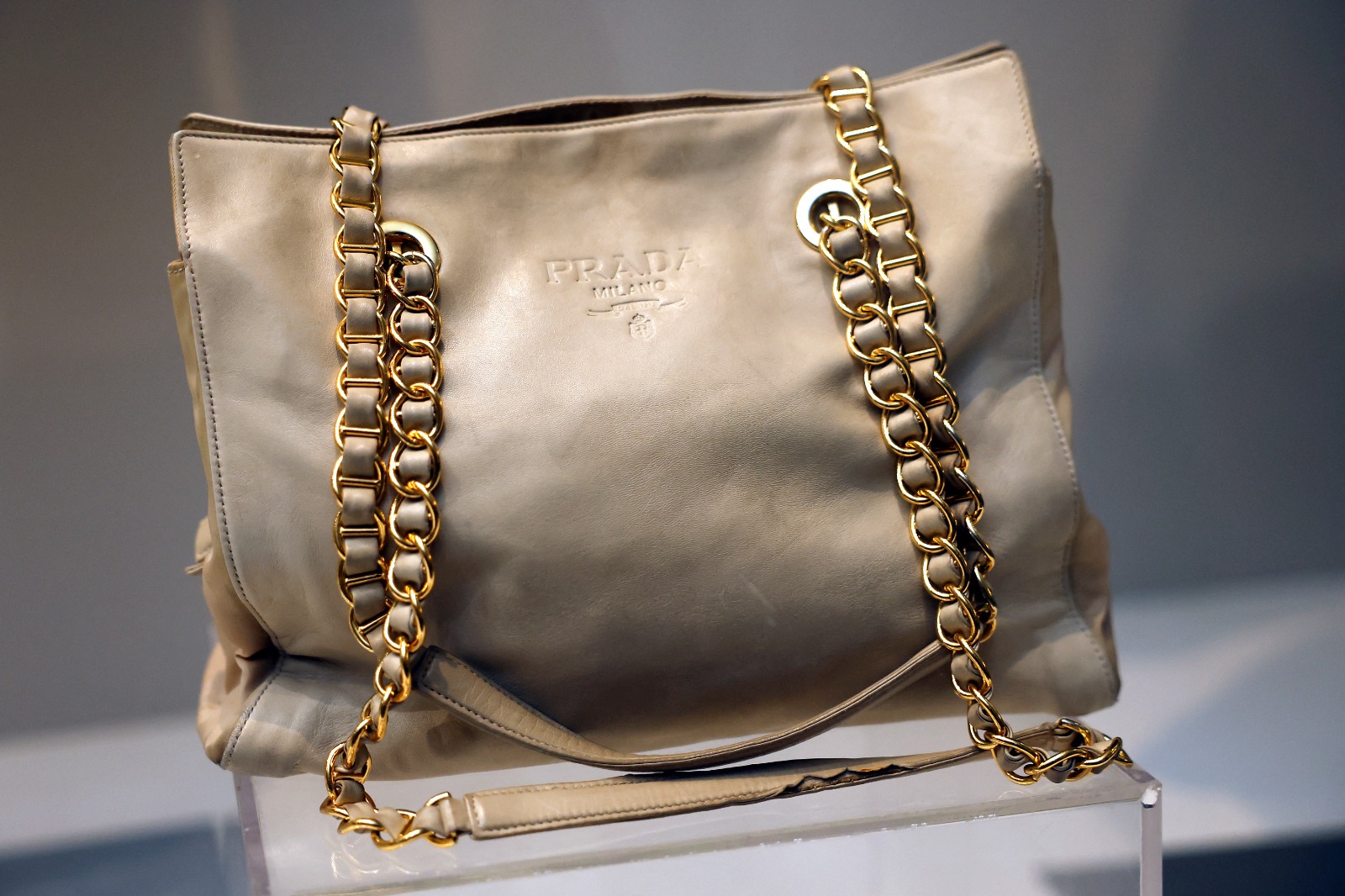
The exhibition features other accessories connected with different aspects of her style, including a Rayne violet leather clutch, Kurt Geiger emerald-green satin jewelled-vamp evening shoes and a Prada leather handbag.
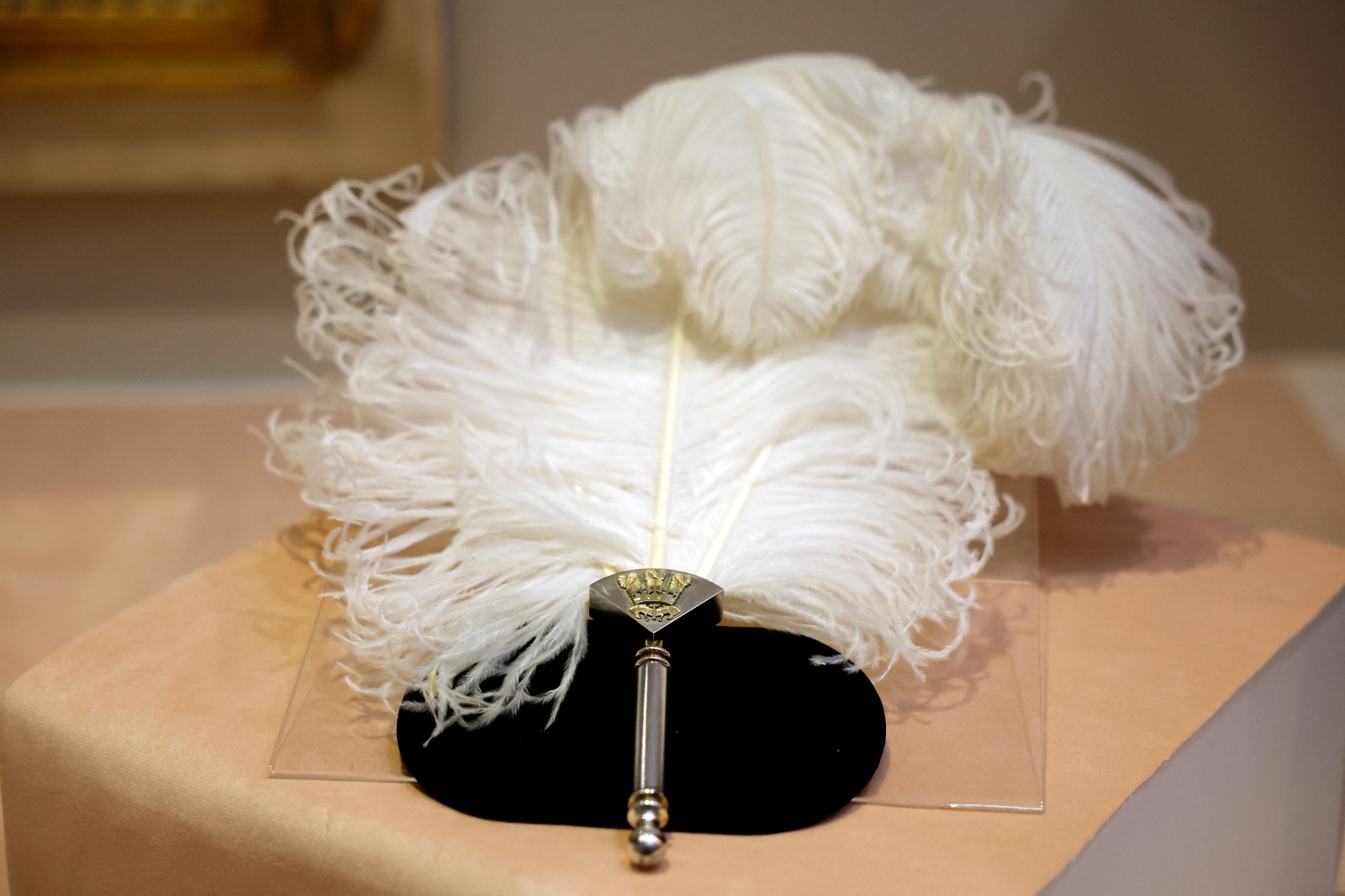
A 1985 white three-feather plume fan featuring insignia made for Diana adds another glimpse into the highly formal world in which she moved.
Yet some of the most revealing pieces are arguably those that appear less grand.
A 1997 British Lung Foundation sweatshirt worn by Diana to the gym stands out amid the evening gowns, formal shoes and elaborate accessories.
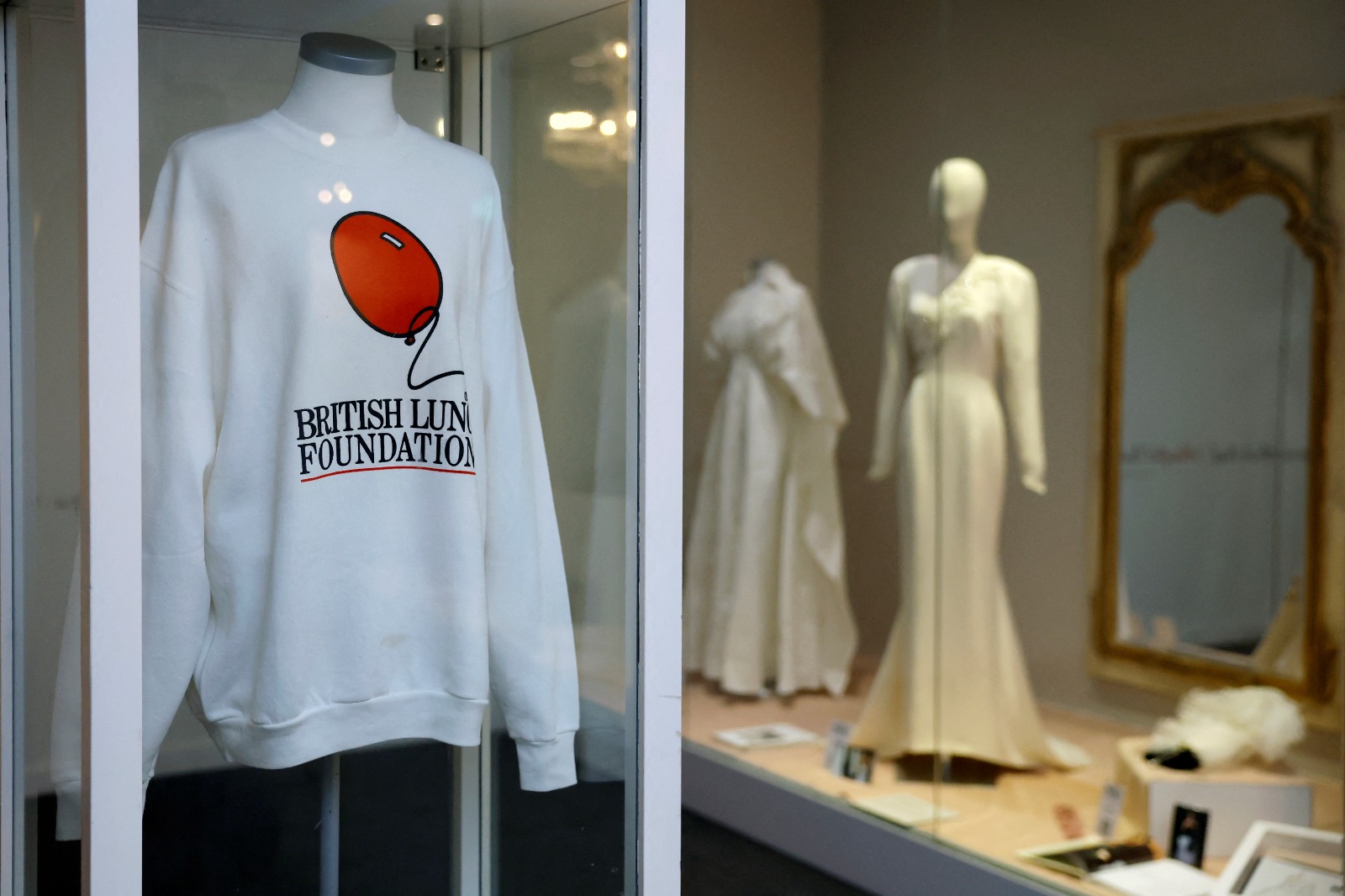
Its presence offers a reminder of another dimension of her public image: her ability to appear approachable and to use her visibility in support of charitable causes.
The sweatshirt is part of a wider group of pieces that demonstrates how Diana’s wardrobe could move effortlessly between ceremonial dressing and everyday clothing. Rather than existing only as objects of glamour, the garments are presented as reminders of historical moments, public appearances and personal memories.
That contrast is central to understanding the continuing fascination with Diana’s style.
The collection includes the cream Catherine Walker “Falcon” gown and vibrant Bruce Oldfield floral ensemble, but it also places attention on more relaxed elements of her wardrobe. The juxtaposition makes clear that Diana’s fashion story was not defined solely by couture or royal formality.
Her clothing could communicate occasion, mood and purpose.
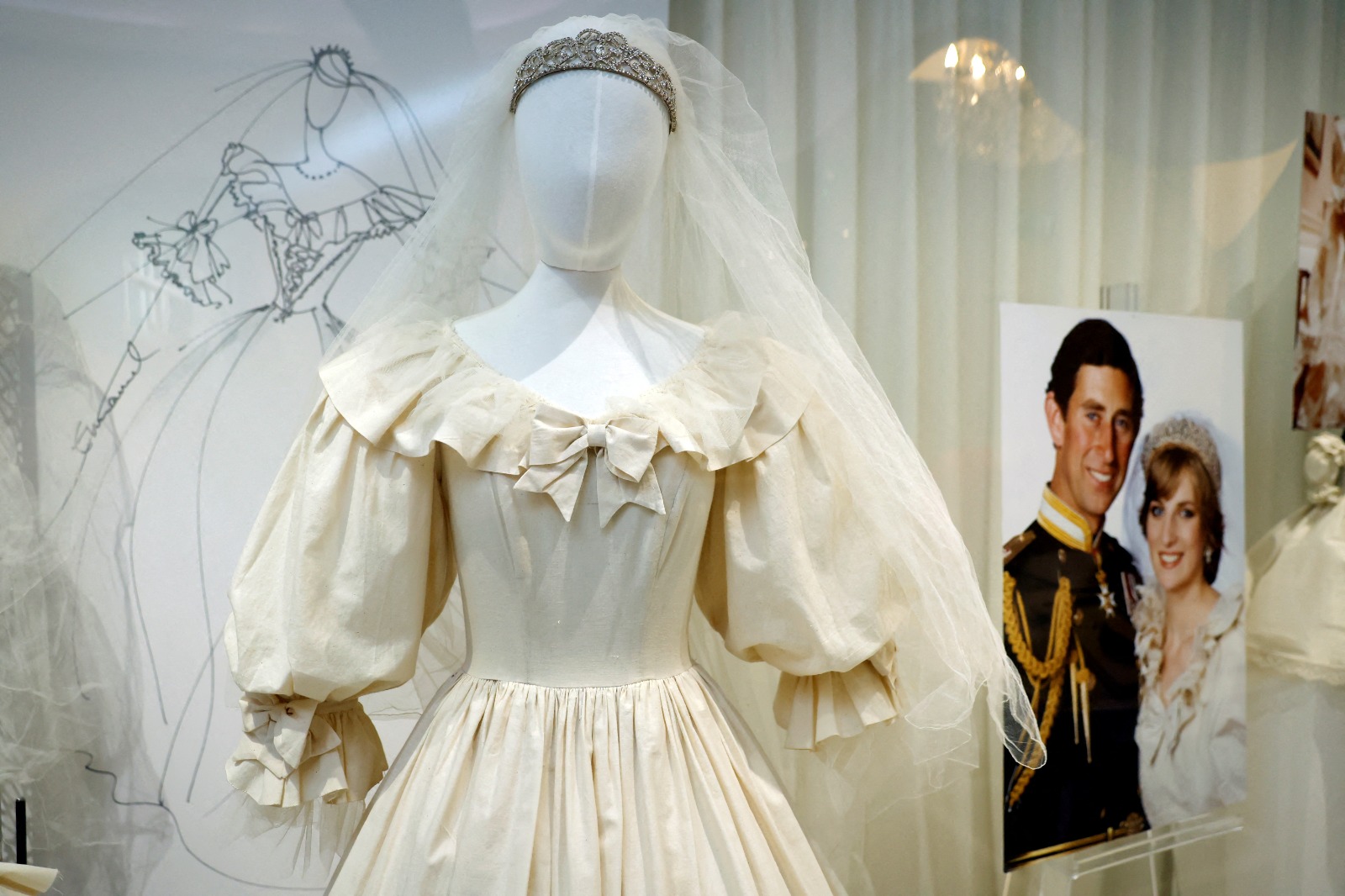
The exhibition also includes the final calico toile for Diana’s royal wedding gown, designed by David and Elizabeth Emanuel. Displayed alongside sketches and a sewing machine, the piece provides a behind-the-scenes view of one of the most significant garments associated with her royal story.
One of her most loved looks is the famous “black sheep” jumper associated with Diana’s early public style.
The jumper, worn by her on several occasions, was recently rediscovered in a box in the attic of its manufacturer, along with correspondence from Diana’s private secretary.
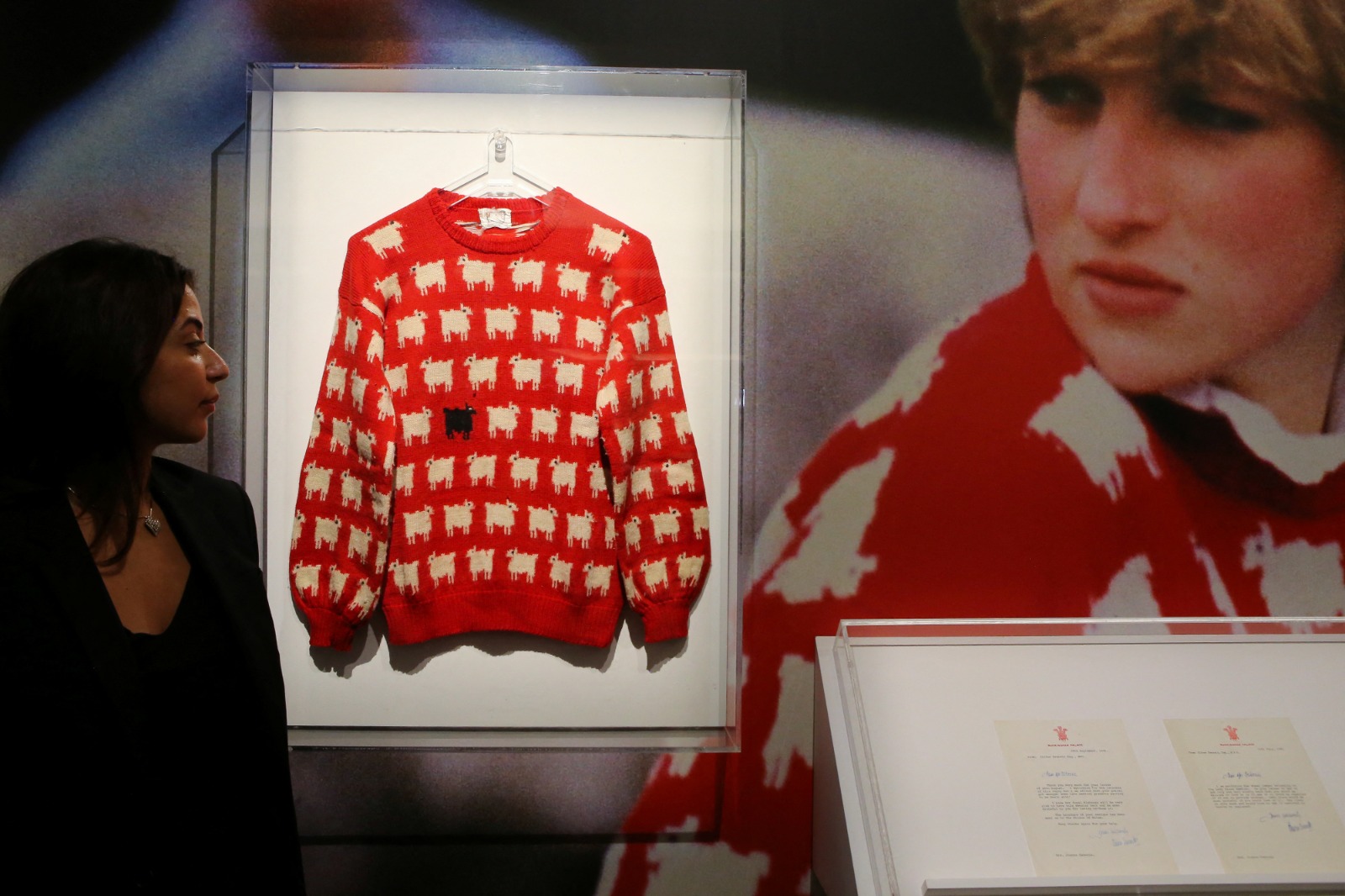
The piece has become part of the visual vocabulary surrounding Diana’s fashion legacy, alongside her formal gowns and royal accessories.
The photographs underscore why the clothes continue to carry significance. They are not isolated fashion pieces. They are connected to moments in which Diana was seen performing the many roles expected of her — royal representative, international visitor, charity campaigner and public figure.
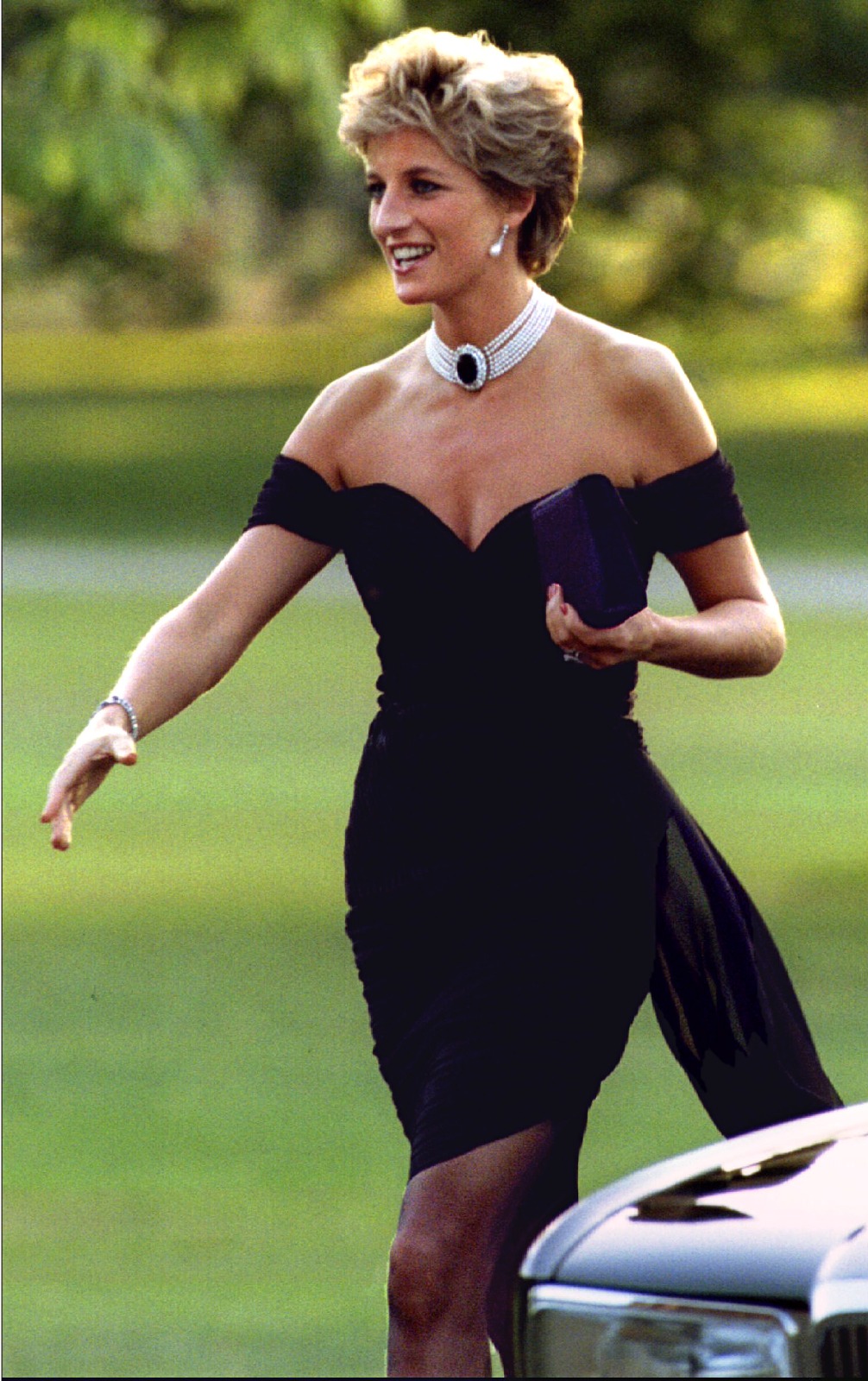
Then comes one of her most famous dresses of all time: the “revenge dress.”
Princess Diana’s “revenge dress” was a form-fitting, off-the-shoulder black silk cocktail gown designed by Christina Stambolian. She wore it on June 29, 1994, at a Vanity Fair fundraising gala at the Serpentine Gallery in London. The dress was dubbed the “revenge dress” by the media because of the timing of Diana’s appearance in it.
Diana wore the outfit on the same night that Prince Charles admitted on national television to being unfaithful during their marriage.
According to People magazine, Diana had owned the dress for three years without wearing it because she felt it was too daring. She chose to wear it only after another designer’s dress had been leaked to the press.
Meanwhile, many believe that it was a deliberate act intended to make a major statement without her having to say anything at all.
Diana broke royal protocol by donning the attire. The Royal Family traditionally avoided wearing black in public unless it was for mourning, while the dress’s short hem, low sweetheart neckline and bare shoulders defied standard royal dress codes.
There are many such pieces from her wardrobe in which she was photographed, whether speaking with soldiers of the Light Dragoons in Northern Germany or meeting Mother Teresa at the Missionaries of Charity’s residence in the Bronx.
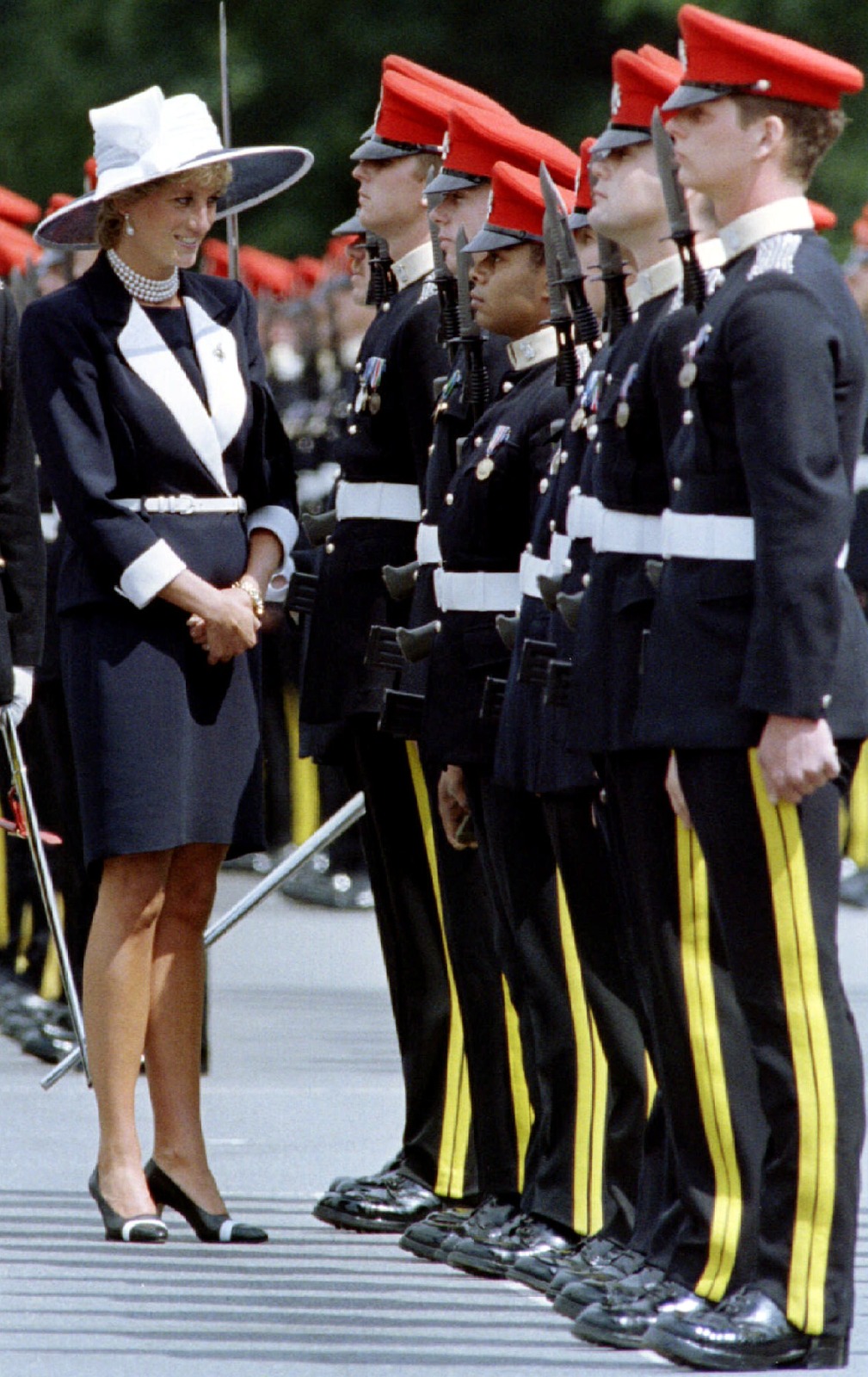
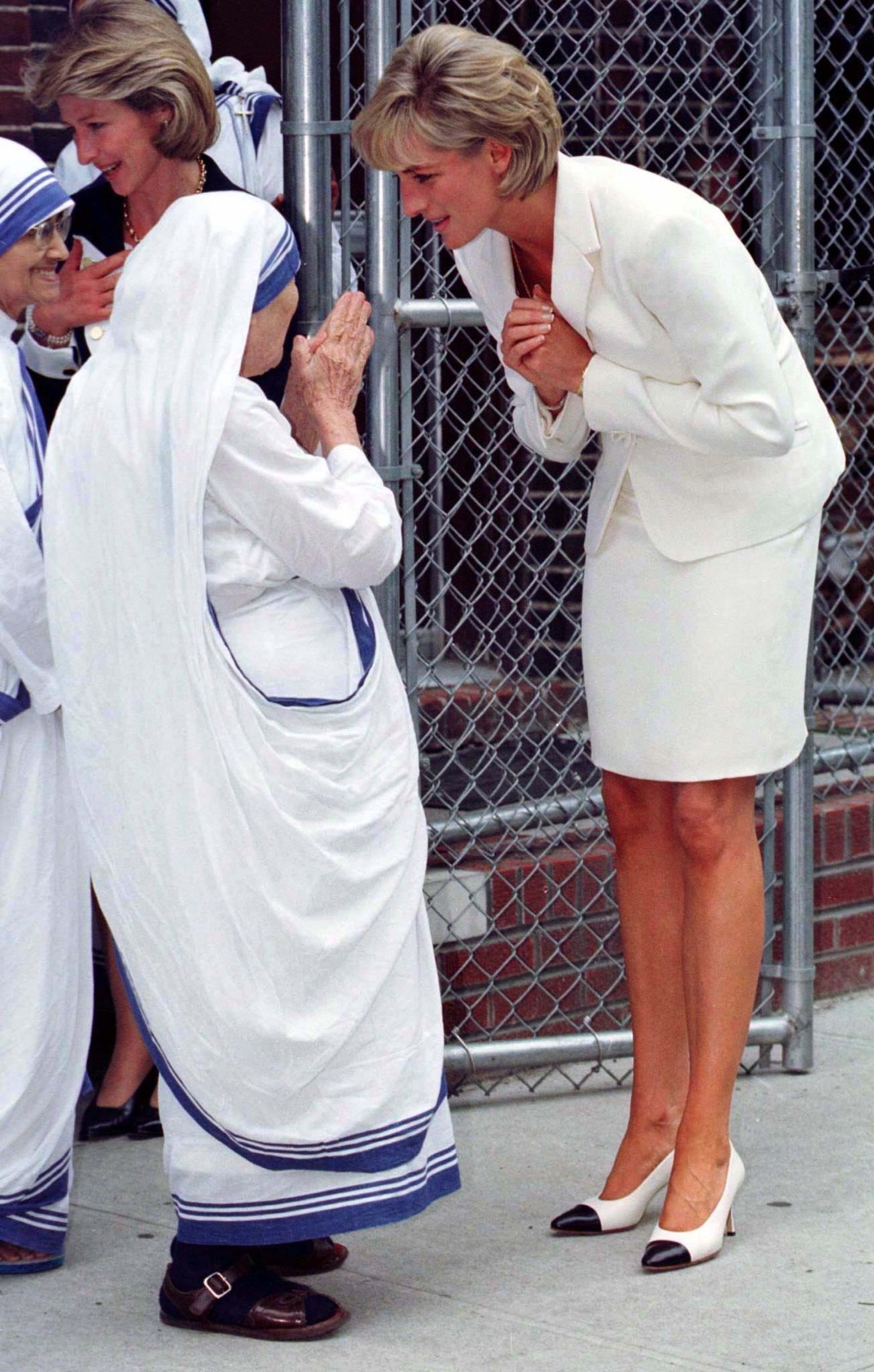
Her approach to clothing increasingly became a means of connection.
The collection’s more formal pieces demonstrate her understanding of royal presentation, while the casual and sporty elements show another side of her public persona.
That balance may explain why Diana’s style continues to resonate. Her wardrobe contained the grandeur expected of a princess, but it also included pieces that felt accessible and contemporary. (ANI)
Related reading