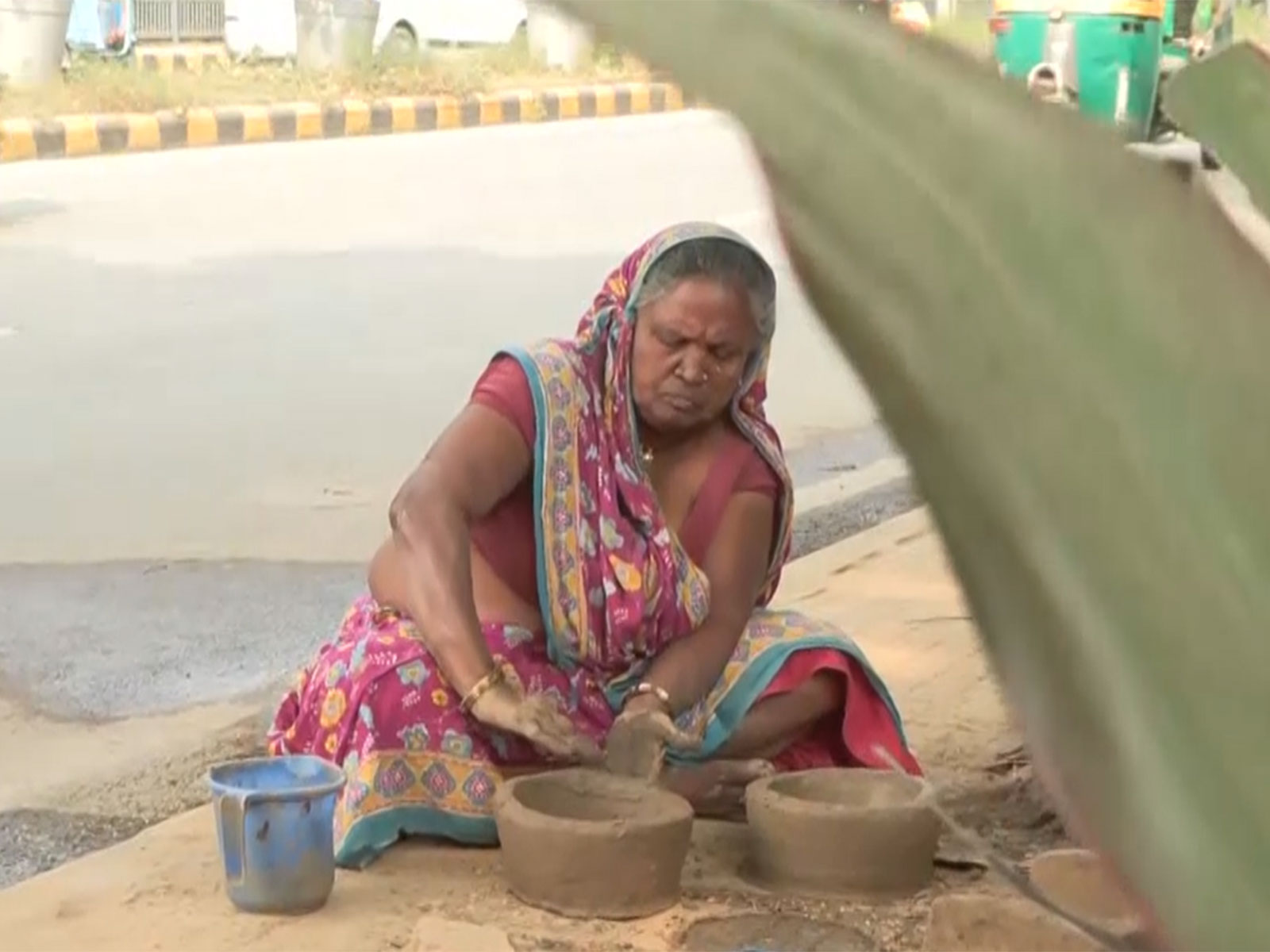
Patna (Bihar) [India], November 12 (ANI): As Bihar prepares for Chhath Puja 2026, a decades-old tradition in Patna is highlighting the enduring spirit of communal harmony, with Muslim women making and donating traditional earthen stoves, or chulhas, to devotees celebrating the Hindu festival.
For nearly 30 to 40 years, these women have been preparing the clay stoves used to cook sacred offerings during Chhath Puja.
Their work, rooted in traditional craftsmanship and mutual respect, has become an example of how religious boundaries do not necessarily define shared cultural practices.
The four-day Chhath festival will begin on November 13 with the Nahay-Khay ritual. Dedicated to Lord Surya and Chhathi Maiya, the festival is observed with deep devotion, with devotees following traditional practices while preparing offerings using earthen utensils and stoves.
For the women in Patna, making these chulhas is not merely a means of livelihood but also a longstanding association with the festival. They say they take particular care to maintain cleanliness and respect the religious sentiments of devotees who purchase and use their products.
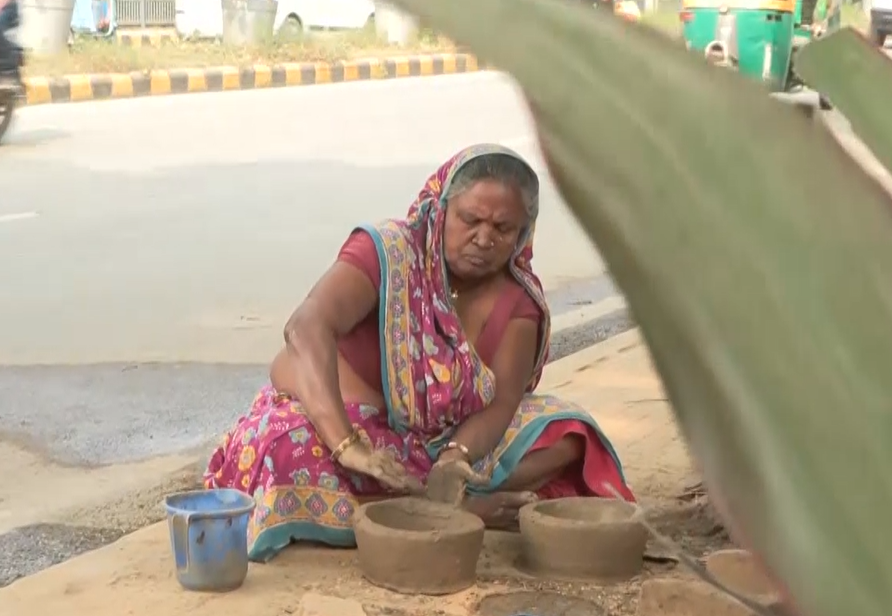
One of the women, who has been making earthen stoves for two decades, told ANI, “I have been making these ‘chulhas’ for the last 20 years. Many people come here to buy these”.
Another woman summed up the spirit behind the tradition with a message of equality and humanity. “Blood is the same for everyone; it is red. Only our caste and religion are different,” she said.
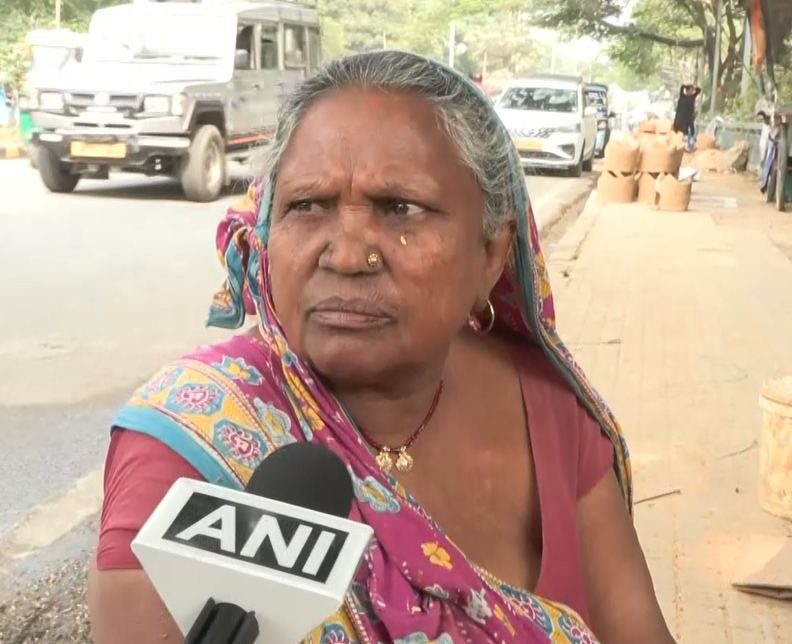
Among the women continuing this tradition is Muztari Khatoon, who has decided to distribute earthen stoves free of cost to ordinary families observing Chhath Puja.
Khatoon revealed that she had made a vow to Chhathi Maiya around two or three years ago, praying for a child and the fulfilment of a family wish. After her wish came true, she decided to honour her promise by making and donating earthen stoves.
Recalling her association with the work, she said, “Chhath is a very great festival. Hail Chhathi Maiya! Chhathi Maiya’s blessings bring everything. It is a very important and grand festival.”
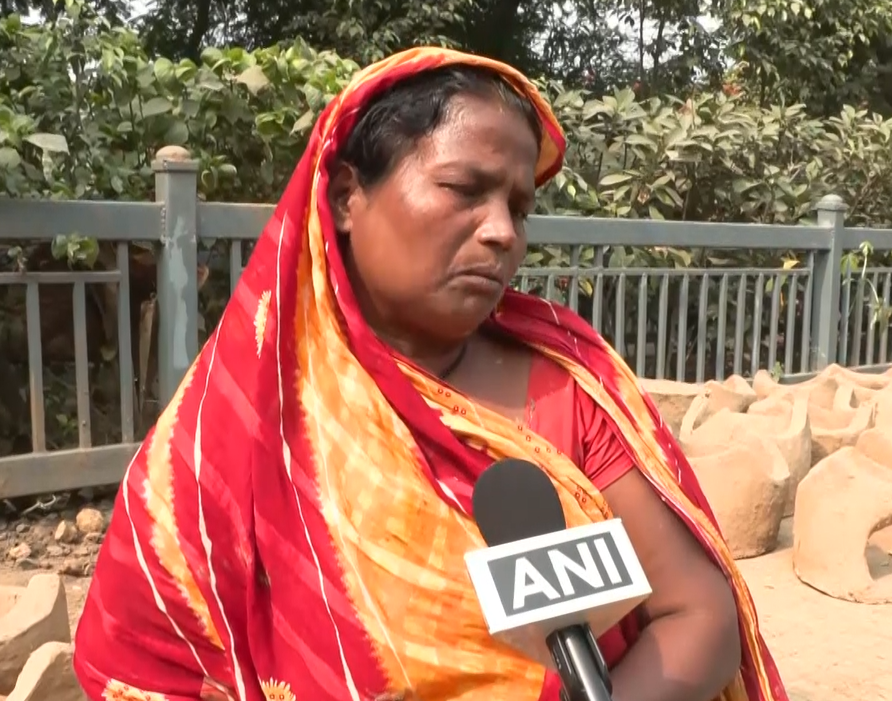
Explaining why she was distributing the stoves, Khatoon said, “I did not get enough time to make a large number of stoves, so we are selling some and distributing the rest. I am making and donating as many as I can, depending on my wishes and what God has given me the ability and means to do. We are poor people, so we are doing whatever we can afford.”
She added that the stoves would be given to people who need them, particularly economically disadvantaged families observing the festival.
“We have decided that these stoves must be distributed free of cost among ordinary people,” she said, explaining that some traders had approached her for bulk purchases of 80-90 stoves, but she declined their requests.
Khatoon also recounted an incident in which a devotee approached her for a stove needed for the Nahay-Khay and Kharna preparations. Although he offered money, she refused to accept payment. He eventually left Rs 10 for tea.
“If all the stoves are ready, we will distribute all of them. We will not charge anything for the donated stoves. We will not take any money. Not even one rupee,” she said.
The women said preparing earthen stoves for Chhath requires considerable effort, particularly because the festival places importance on purity and traditional practices.
One of the women explained that clay utensils and earthen products are considered sacred for preparing festival offerings. Vegetables such as bottle gourd and other prasad items are traditionally cooked using earthen vessels.
She said the women follow the necessary cleanliness standards and precautions while making the stoves, despite being from a different religious community.
The process also involves considerable expenditure and time. According to her, a tractor-trolley load of clay can cost between Rs 4,000 and Rs 5,000, while the women spend almost a month preparing the stoves.
Weather conditions have also affected production this year, with rainfall damaging some of the stoves and delaying the work.
Despite rising raw material costs, the women try to keep the prices affordable. While a stove may ideally cost between Rs 150 and Rs 200, they accept whatever customers consider reasonable for their labour.
The women said their customers have been purchasing the stoves for decades without making distinctions based on religion or caste.
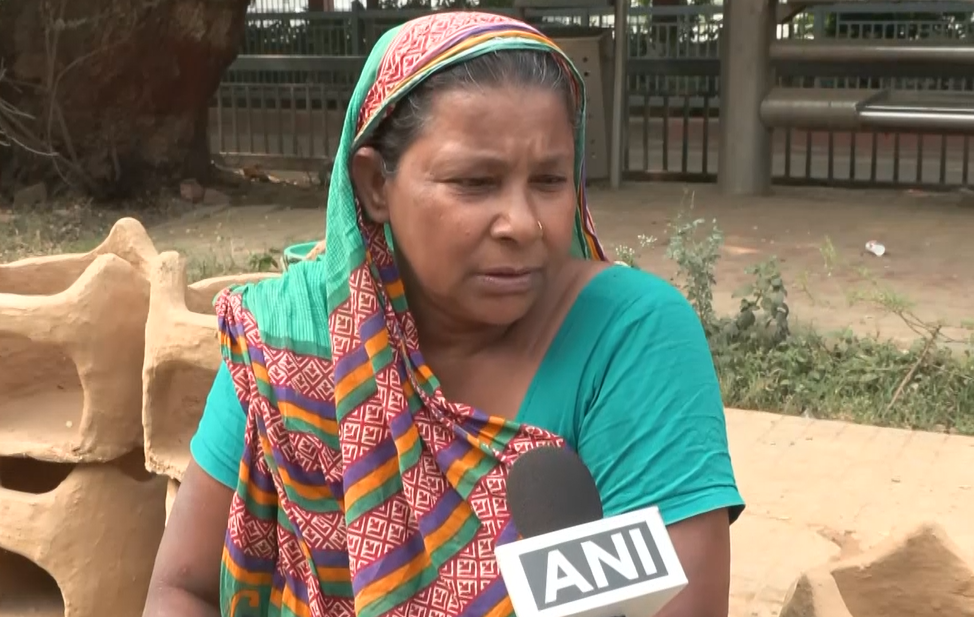
“Every year, the stoves get sold out. We do not distinguish between Hindus and Muslims. Whether someone is Hindu or Muslim, everyone buys them. They sell throughout the season,” one woman said.
They also noted that Muslim families in Patna have been associated with making earthen stoves for Chhath for several decades, with both individual customers and traders purchasing them.
As preparations for Chhath Puja gather pace across Bihar, the contribution of these women stands out as an example of the state’s shared cultural traditions.
Their efforts reflect the spirit of Ganga-Jamuni culture, in which communities participate in and respect each other’s customs and beliefs. (ANI)
Related reading