
New Delhi [India], August 25 (ANI): SpaceX and Nvidia have developed a space-optimized Vera Rubin NVL72 AI system that is planned for launch into orbit in the fourth quarter of 2027, said Elon Musk.
Nvidia’s Vera Rubin NVL72 is an advanced rack-scale AI supercomputer system. It integrates advanced technologies, combining 72 Rubin GPUs, 36 Vera CPUs, ConnectX-9 SuperNICs, and BlueField-4 DPUs in a unified system.
Resharing an Nvidia post, Musk said the system will see significant scale-up in 2028 as SpaceXAI is expanding its AI infrastructure.
“The first CPU built for agents is going to work at scale. @SpaceX is deploying NVIDIA Vera to accelerate the orchestration, code execution, and data processing that powers its next generation of agentic AI — keeping GPUs fed and agents acting fast. From gigawatt AI factories to orbit. One NVIDIA architecture, everywhere,” the post reads.
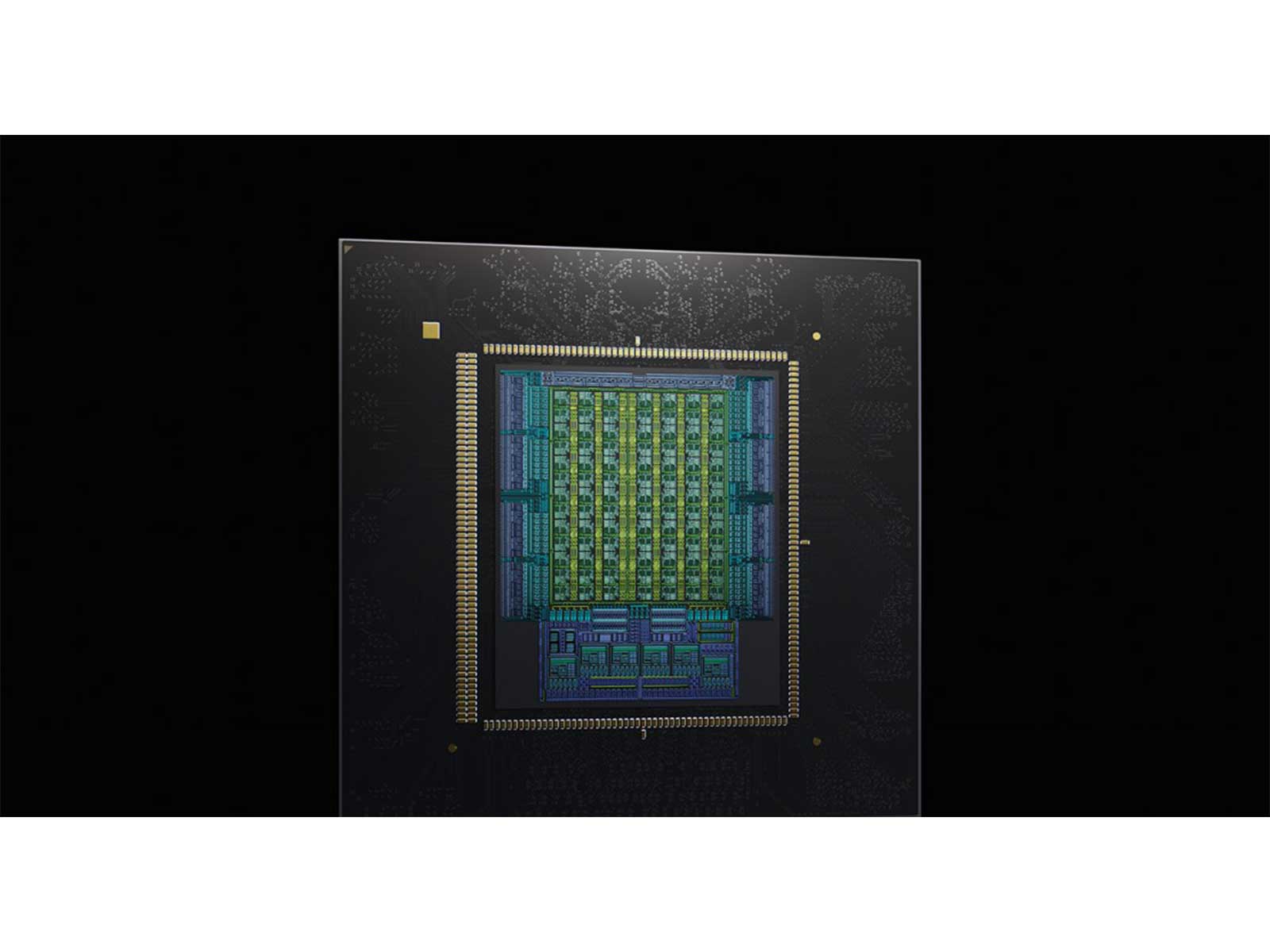
Nvidia’s Vera is its first CPU designed specifically for AI agents, aimed at accelerating CPU-intensive tasks involved in model inference, including tool use, code execution, data processing, orchestration and simulation.
The CPU features 88 Nvidia-designed Olympus cores, Spatial Multithreading technology and high-bandwidth LPDDR5X memory, offering up to 1.2TB per second of memory bandwidth. Nvidia said Vera can deliver up to 1.8 times faster task completion than x86 CPUs across workloads such as agentic AI, reinforcement learning and data processing.
“SpaceXAI’s planned first-generation Starmind AI satellite will be based on the optimized NVIDIA Vera Rubin NVL72 rack-scale system, extending the same accelerated computing architecture powering next-generation AI factories on Earth into space,” Nvidia said in a release.
As Agentic AI applications increasingly rely on CPUs to orchestrate tools, execute code, process data and run simulations between model calls, SpaceXAI will use Vera to accelerate these application workloads, which will help AI agents act faster while keeping GPUs fed and fully utilised.
“Vera gives us the CPU performance and memory bandwidth to run enormous amounts of orchestration, code and data processing while keeping GPUs doing what they do best,” said Mike Nicolls, president of SpaceXAI.
Earlier this month, the Elon Musk-led company launched two Falcon 9 rockets from opposite coasts of the United States — setting a new company record for the shortest gap between orbital missions. (ANI)
Related reading