PNN
Nagpur (Maharashtra) [India], August 4: A serving Additional Director General of Police used a public stage here on Sunday to disclose that he is a sickle cell carrier, and argued that the low uptake of screening in India has less to do with the availability of the test than with a refusal to discuss the disease at all.
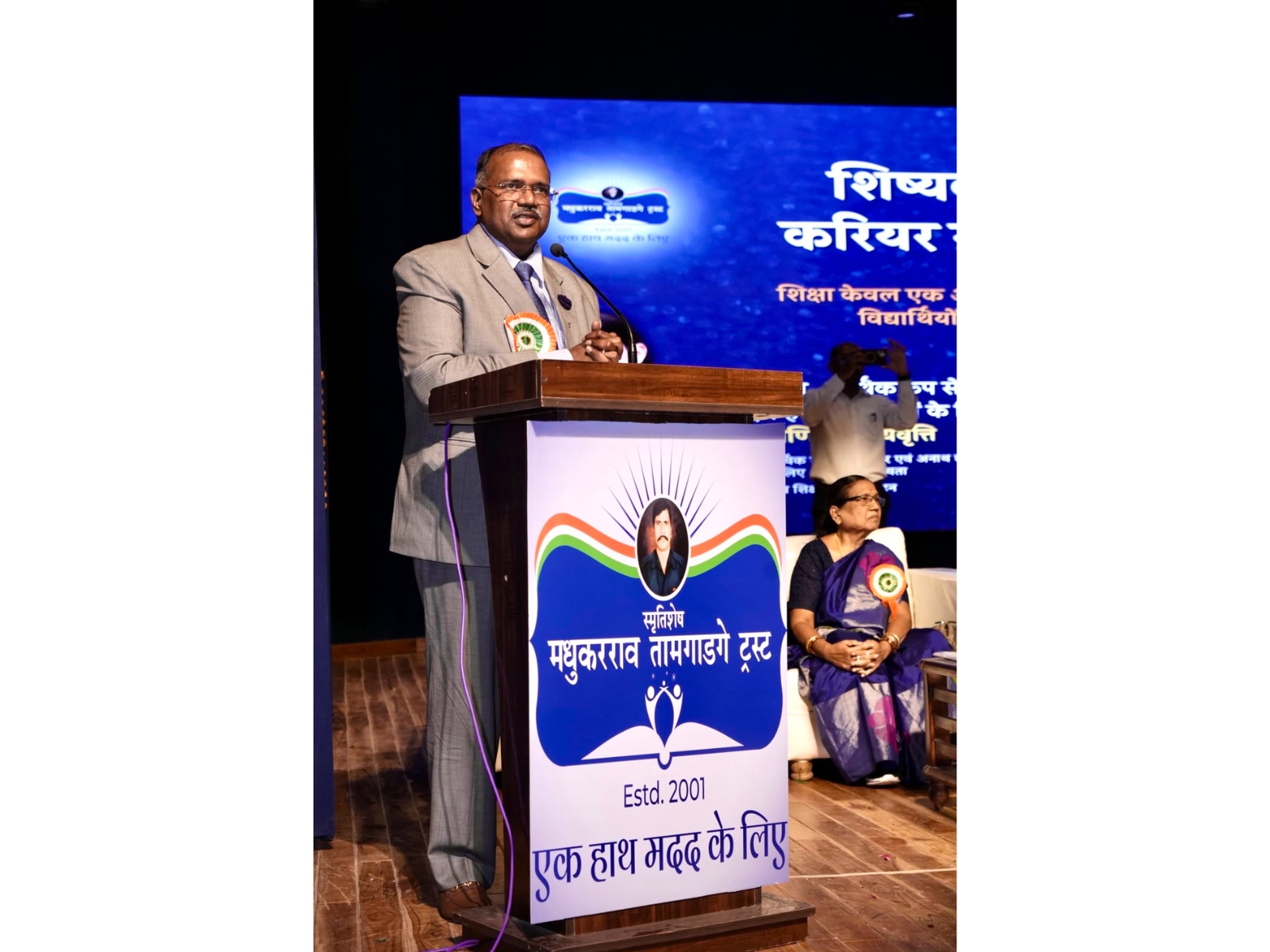
Sandeep Tamgadge, IPS, Additional Director General of Police, Nagaland, was presiding over a scholarship distribution, sickle cell awareness and career guidance programme organised by the Smrutishesh Madhukarrao Tamgadge Charitable Trust at Dr Vasantrao Deshpande Hall, Civil Lines.
“Unless we speak openly about sickle cell disease, people will not understand its seriousness. I am myself a sickle cell carrier. I am a senior officer and I lead a normal life, but I do not feel any embarrassment in speaking about my carrier status,” he said.
The disclosure by a senior officer in uniform service is unusual, and Tamgadge framed it deliberately as an argument rather than a personal admission — that carrier status is neither a disqualification nor a secret, and that treating it as either is what suppresses testing.
He directed his central appeal at families arranging marriages.
“Families consider several factors before marriage, but blood testing is often neglected. Premarital screening, appropriate medical counselling and informed decision-making must become part of public awareness,” he said, adding that screening had to be accompanied by sensitive counselling and accurate information rather than fear, stigma or discrimination.
A SOCIAL QUESTION, NOT A FAMILY’S PRIVATE BURDEN
Tamgadge said the consequences of the inherited disorder are absorbed by whole families, particularly in areas where diagnosis, sustained treatment and transfusion services are hard to reach.
“Sickle cell anaemia cannot be viewed only as an individual medical problem or the responsibility of one family. It is a social issue that requires the participation of the government, healthcare institutions, civil society organisations and communities,” he said.
Citing his posting in Nagaland, he pointed to community-level responsibility as a working model. “In Nagaland, when a person lacks resources or a child is left without support, the community comes together to take responsibility for education, employment and rehabilitation. No social problem can be resolved by one individual alone, nor can every responsibility be placed upon the government,” he said.
“The objective of a sickle cell-free India cannot be achieved only through government schemes or the work of a single organisation,” he added.
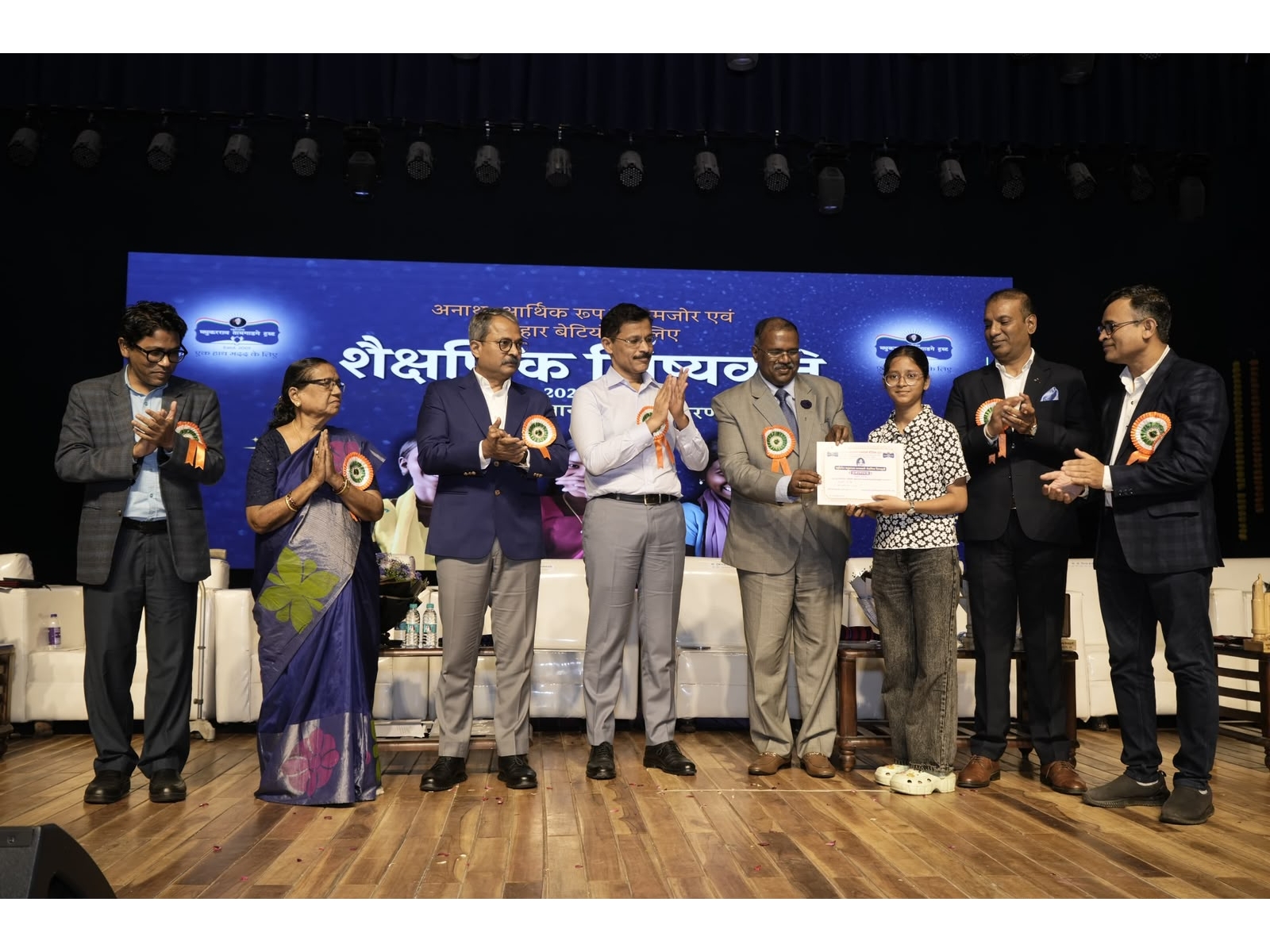
He also explained why the Trust holds a physical ceremony at all. “The scholarship amount could have been transferred directly to the students’ bank accounts. However, such a public programme enables students to interact with experienced professionals, understand career opportunities beyond government service, and engage with important social concerns,” he said.
Scholarships were awarded to meritorious girls from economically weaker families. The Trust separately presented the Atharva Educational Scholarship to students living with sickle cell disease, an award instituted so that repeated illness and hospitalisation do not push affected students out of education. Alongside scholarships, the Trust runs screening and medicine-distribution camps, blood donation drives and awareness work, concentrated in areas where testing and continuing care are least available.
BLOOD BANK STANDARDS FLAGGED
Jayshree Ramteke, President of the Sickle Cell Society of India, shifted the discussion to patients dependent on regular transfusions, stressing that they must receive safe and quality-assured blood and that standards be maintained uniformly across blood banks and treatment facilities — an outcome requiring coordination between blood banks, hospitals, government departments and voluntary donors.
Tamgadge recalled the late Padma Shri Sampat Ramteke, whose work helped move sickle cell disease into policy and public health discussion, and said the Trust’s programmes sought to continue that effort.
He credited Maharashtra Food and Drug Administration Commissioner Tukaram Mundhe, IAS, with administrative interventions in the health and disability welfare sectors, saying that when the difficulties facing people with sickle cell disease and thalassaemia were placed before him, Mundhe examined the conditions, the disability rights legislation and the institutional routes through which affected persons could claim assistance — work that helped direct official attention to disabilities and blood disorders not visible on a person’s body. He also thanked senior IRS officer Unmesh Wagh, who inaugurated the event, for backing screening drives through institutional and CSR support in underserved areas.
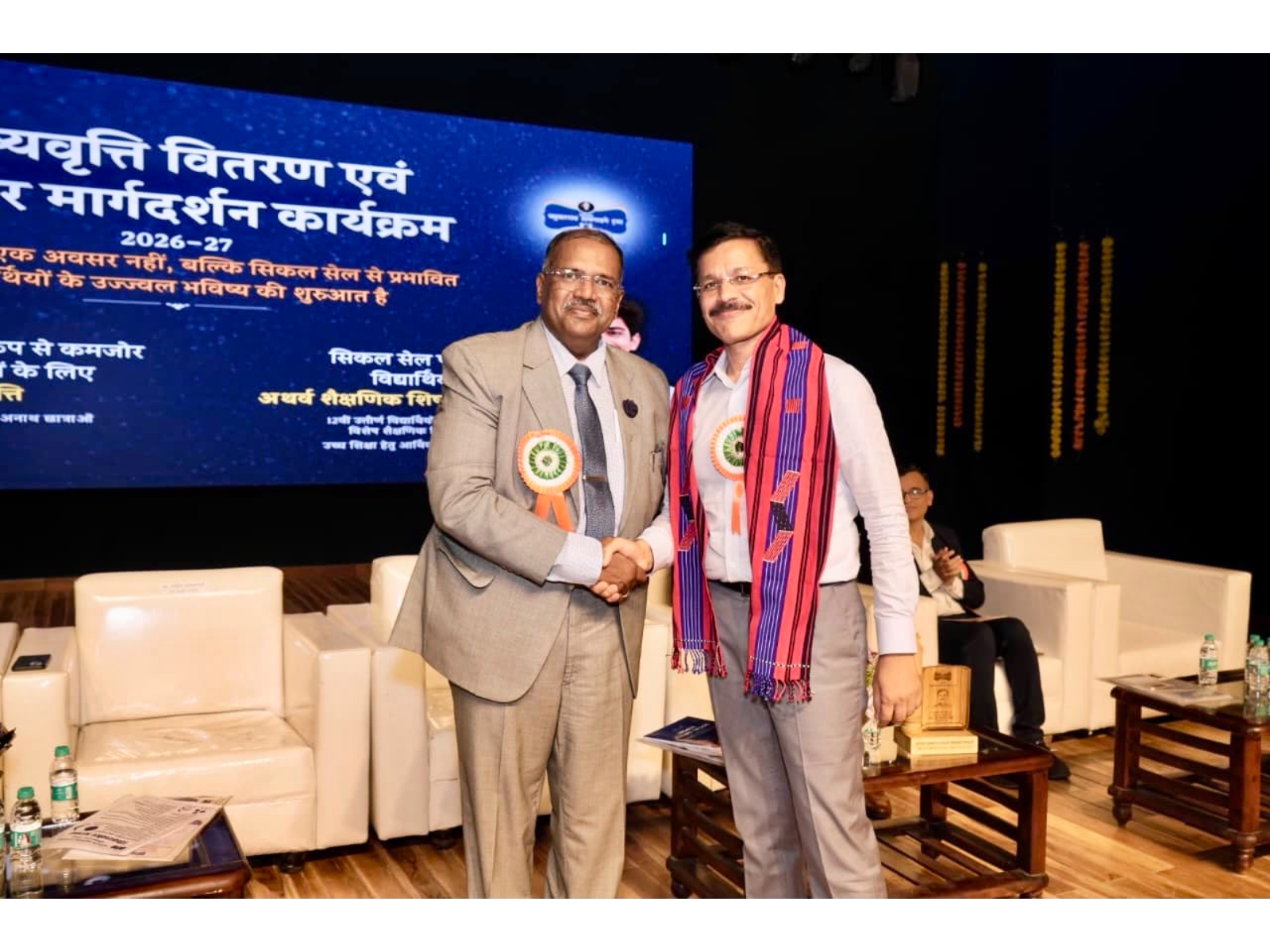
MUNDHE ON JUDGEMENT IN THE AI ERA
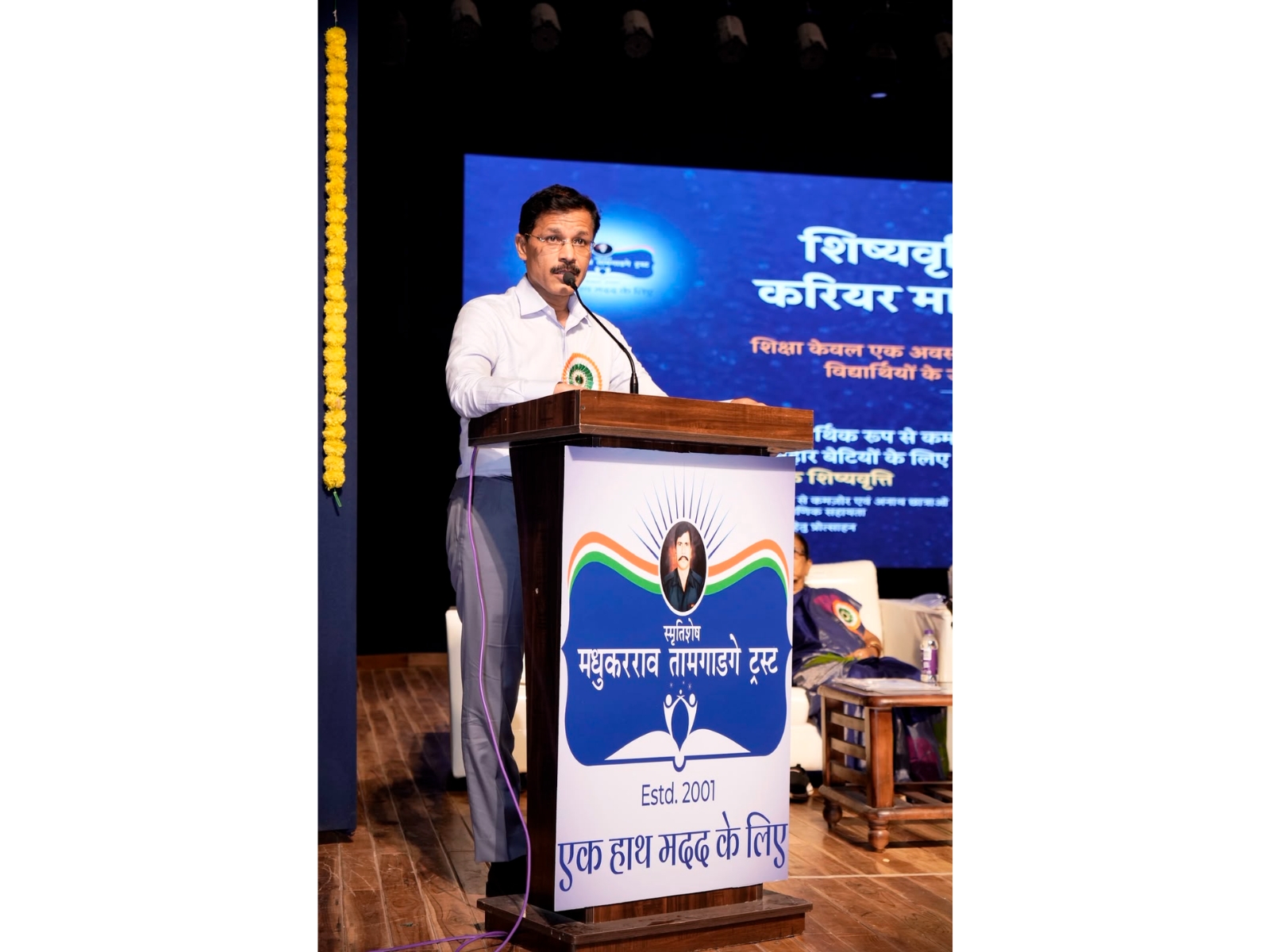
Delivering the principal address, Mundhe turned to the students in the hall.
“Knowledge is now available in everyone’s pocket through the mobile phone. The real challenge is to transform that knowledge into wisdom, distinguish between right and wrong, and continue learning throughout life,” he said. “The question is not whether we should use a mobile phone. The question is whether we are using the mobile phone or whether the mobile phone is using us.”
He asked students to interrogate the source, accuracy, purpose and consequences of what they read online rather than accept it because it appeared on a platform. “Use artificial intelligence, machine learning and social media, but develop the habit of questioning and verifying what you receive. We need to climb the ladder from knowledge to wisdom,” he said.
Warning against intellectual passivity, Mundhe added: “When a voice turns into noise, thought gets suppressed. Thinking is not the problem; thoughtlessness is the real problem.” Degrees might secure entry into employment, he said, but sustained progress depended on skills, judgement and continued learning.
CAREER ADVICE BEYOND THE EXAM
Wagh told students not to treat failure in a competitive examination as the end of a professional life, advising them to build alternative plans and acquire skills, and pointing to openings in logistics, ports, railways, aviation, transportation and supply-chain management. “Along with academic preparation, build genuine friendships. Friends who support, guide and encourage one another during difficult periods become an invaluable source of strength,” he said.
Dhananjay Wanjari, IRS, urged students to choose careers on the basis of ability and considered judgement rather than external pressure, and cautioned against allowing forwarded messages and short videos to displace deep reading and original thought. Scholarships, he said, should enable recipients to contribute to social change and not only to individual employment.
Sachin Shende, Regional Director, Reserve Bank of India, Nagpur, spoke on banking, finance, technology, entrepreneurship and start-ups, describing a degree as an entry point and encouraging students to become creators of employment. Dr Neeraj Bodhi, Head of the Department of Pali and Buddhist Studies at Rashtrasant Tukadoji Maharaj Nagpur University, asked students to read across disciplines and not to let digital tools displace books, libraries and foundational texts.
Also present were Kusumtai Tamgadge, President of the Trust, and Leena Tamgadge, Vice-President. The programme was conducted by Dr Siddharth Gaekwad, and Swapnil Nikhade proposed the vote of thanks.
(ADVERTORIAL DISCLAIMER: The above press release has been provided by PNN. ANI will not be responsible in any way for the content of the same.)
Related reading