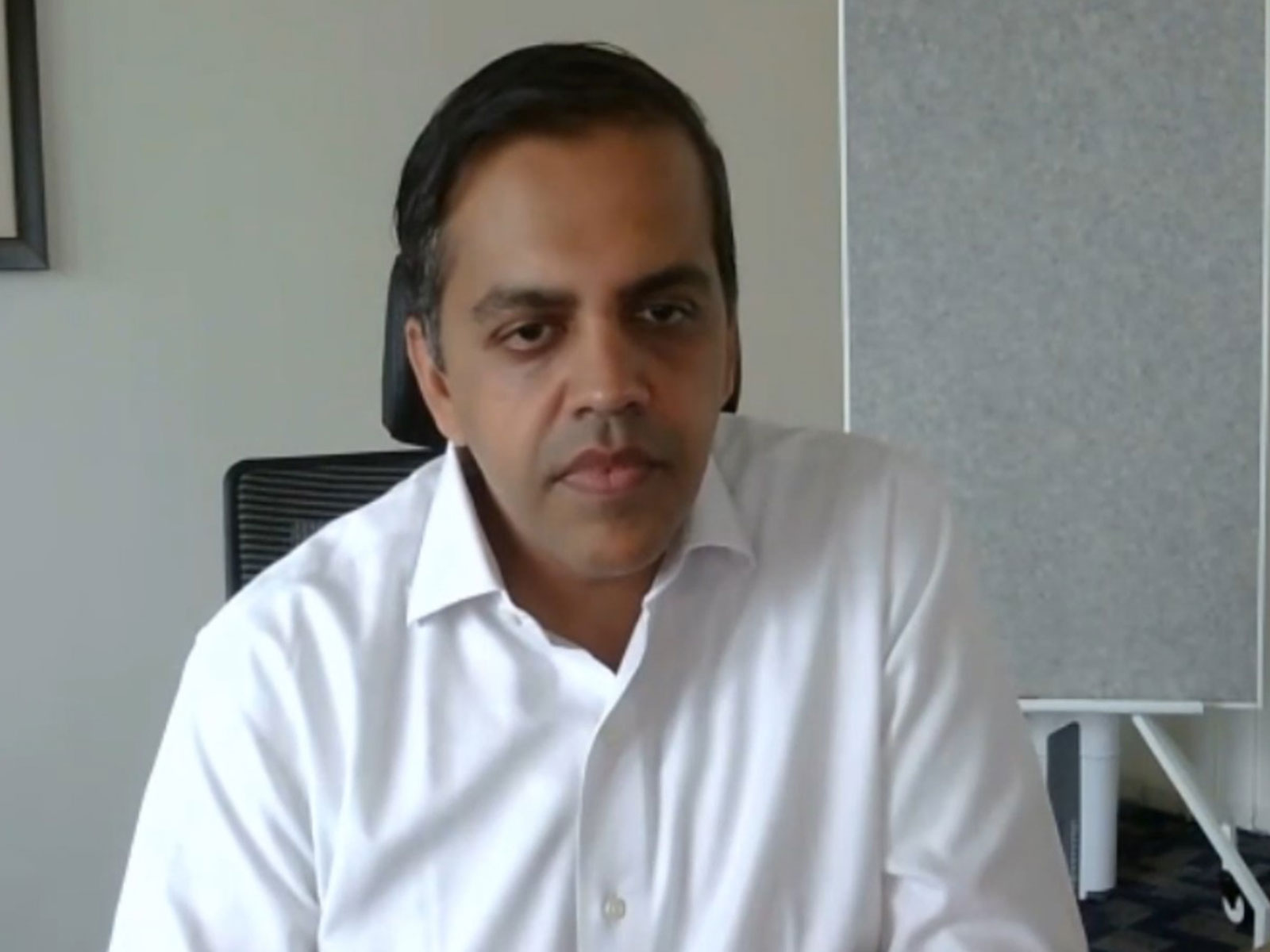
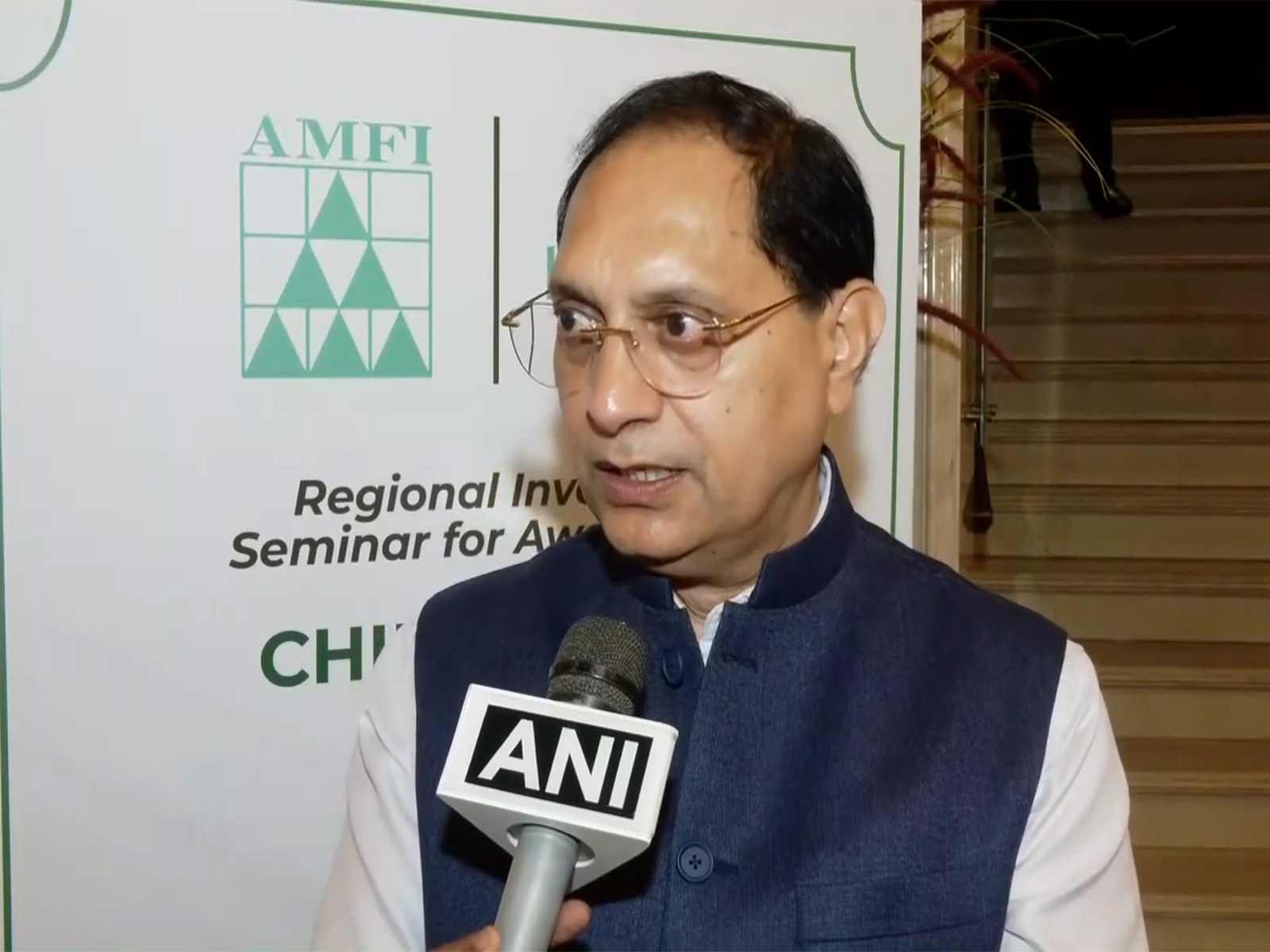
Bhubaneshwar (Odisha) [India], May 18 (ANI): Securities and Exchange Board of India (SEBI) Chairman Tuhin Kanta Pandey on Monday said the market regulator will soon come out with guidelines for AI-driven trading, while cautioning that artificial intelligence presents both opportunities and heightened cyber risks for the financial ecosystem.
Speaking to ANI on the sidelines of an event organised by the Association of Mutual Funds in India in Odisha, Pandey said SEBI was working on a framework to regulate the growing use of AI in trading activities.
“For AI-driven trading, we are actually going for guidelines on that. On how AIs will, in future, do that. Now AI has an opportunity as well as a risk. The opportunity is that you can use the AI for several of your things which can be automated, but risks will come with the cyber risk. Cyber risk from AI has increased and we are now issuing an advisory on how the SEBI ecosystem, the regulated entities can be protected from that enhanced risk,” Pandey told ANI.
He said AI was helping financial entities automate processes and expand multilingual investor outreach, but warned that increasing dependence on technology had also amplified vulnerabilities that could threaten market integrity.
“So as you know, everyone has a software and if certain cyber security is threatened, that means if vulnerabilities are found in the software, very, very quickly, there is a problem that we will be attacked and those attacks may be successful. Then that is bringing risk to the market integrity,” Pandey told the media.
The SEBI Chairman also spoke about “Project Jagrook”, an AI-enabled investor awareness initiative aimed at expanding investor engagement through a 360-degree, multi-agency and multimedia campaign. He stressed the need for aggressive patch management and stronger verification systems to secure software, including applications deployed through third-party vendors.
On foreign portfolio investor (FPI) outflows, Pandey termed such movements part of the normal global investment cycle and said overseas investors continuously assessed returns and macroeconomic conditions across markets.
“The FPI’s come and go depending upon what they think about the relative situation between one country vis-a-vis another global jurisdiction. There are a number of factors which are contingent. ‘What are the returns that the FPI’s are getting in a particular market post?’ It’s a dollar return, not a rupee return, in a market, depending upon various factors like interest rates, arbitrage, the stance of the central banks,” Pandey said.
Pandey also spoke about unauthorized deposit schemes, saying state governments had legislative powers to act against illegal collections through laws such as the Chit Fund Act, the Banning of Unauthorized Deposits Act and state-level legislations like the OPID Act in Odisha.
He urged asset management companies and local administrations to steer investors towards regulated financial products such as mutual funds, Portfolio Management Services and Alternative Investment Funds. (ANI)
Related reading