New Delhi [India], June 24 (ANI): The Parliamentary panel on Energy on Tuesday discussed the National Bioenergy Programme with officials apprising members of the progress made and the path ahead.
Committee Chairman and Shiv Sena MP Appa Chandu Barne later said that the panel members also sought information regarding the burning of agricultural residue.
“Meeting of the Parliamentary Standing Committee on Energy was called on the subject of Bio-Energy. Information was also sought on steps being taken by the concerned ministry regarding the burning of agricultural residue in UP, Punjab and Haryana, which causes air pollution,” he said.
Sources said the committee was informed that India is among the top three countries globally in terms of untapped biogas potential.
A presentation was made to the panel on the National Bioenergy Programme (NBP).
Sources said the presentation highlighted India’s growing role in the global bioenergy sector and noted that the country has significant opportunities to expand biogas production using agricultural residues, animal waste, municipal solid waste and other biomass resources.
Sources said the panel was informed that India ranks second globally in the co-firing of biomass pellets in thermal power plants after Japan. India’s installed biopower generation capacity stands at 11.76 GW, compared with 32 GW in China and 18 GW in Brazil.
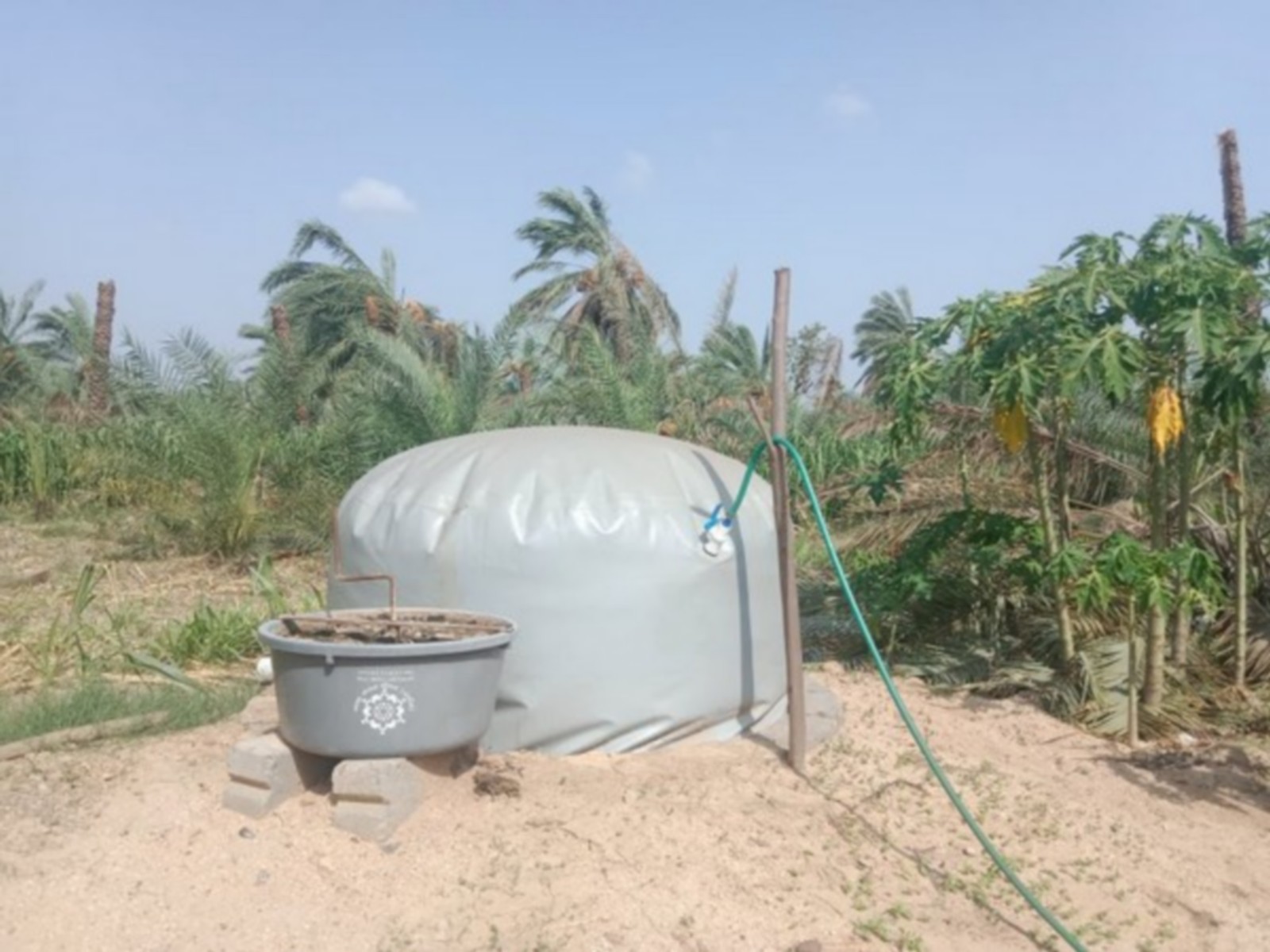
The National Bioenergy Programme aims to support the setting up of waste-to-energy projects for the generation of biogas, compressed biogas (CBG), power and syngas from urban, industrial and agricultural wastes and residues.
The committee was also informed that India has substantial feedstock availability for bioenergy production. Animal dung accounts for 1,655 million tonnes per annum (MTPA), surplus agricultural biomass for 228 MTPA, sugarcane bagasse for 100 MTPA and municipal solid waste for 62 MTPA. The country also generates 72,368 million litres per day (MLD) of sewage waste.
Sources said that officials highlighted the progress achieved under the Waste-to-Energy Programme. A total of 67 Bio-CNG projects have been sanctioned, out of which 60 have been commissioned.
These projects have a sanctioned capacity of 518.4 tonnes per day (TPD), while commissioned capacity stands at 468 TPD.
In addition, seven power projects with a capacity of 11.92 MW and five biogas projects with a capacity of 72,100 cubic metres per day have been commissioned.
Sources said the officials also said that these projects are helping utilise around 36 lakh tonnes of agricultural and biogenic waste annually and have the potential to reduce greenhouse gas emissions by 8 lakh tonnes per year.
The Biomass Programme has also recorded significant progress.
Sources said the officials also traced India’s bioenergy journey over the years and noted that the first programme on compressed biogas (CBG) was launched in 2013 as a pilot scheme.
In 2020, a dedicated scheme to support CBG was launched with a budget outlay of Rs 400 crore. This was followed by the launch of the National Bioenergy Programme Phase-I in 2022 with an outlay of Rs 998 crore.
MNRE has developed the CBG sector during its nascent stage, now it has been transferred to MoPNG to support its large-scale commercialization, the panel was informed. (ANI)
Related reading