New Delhi [India], August 10 (ANI): Parliament on Monday passed the Taxation and Other Laws (Amendment) Bill, 2026, after the Rajya Sabha returned the Money Bill to the Lok Sabha following discussion, with Finance Minister Nirmala Sitharaman assuring that consumers and small merchants will not have to pay Merchant Discount Rate (MDR) charges on UPI transactions.
The Lok Sabha had earlier passed the Bill. As it is a Money Bill, the Rajya Sabha can only make recommendations on its provisions and return it to the Lok Sabha, which may accept or reject those recommendations.
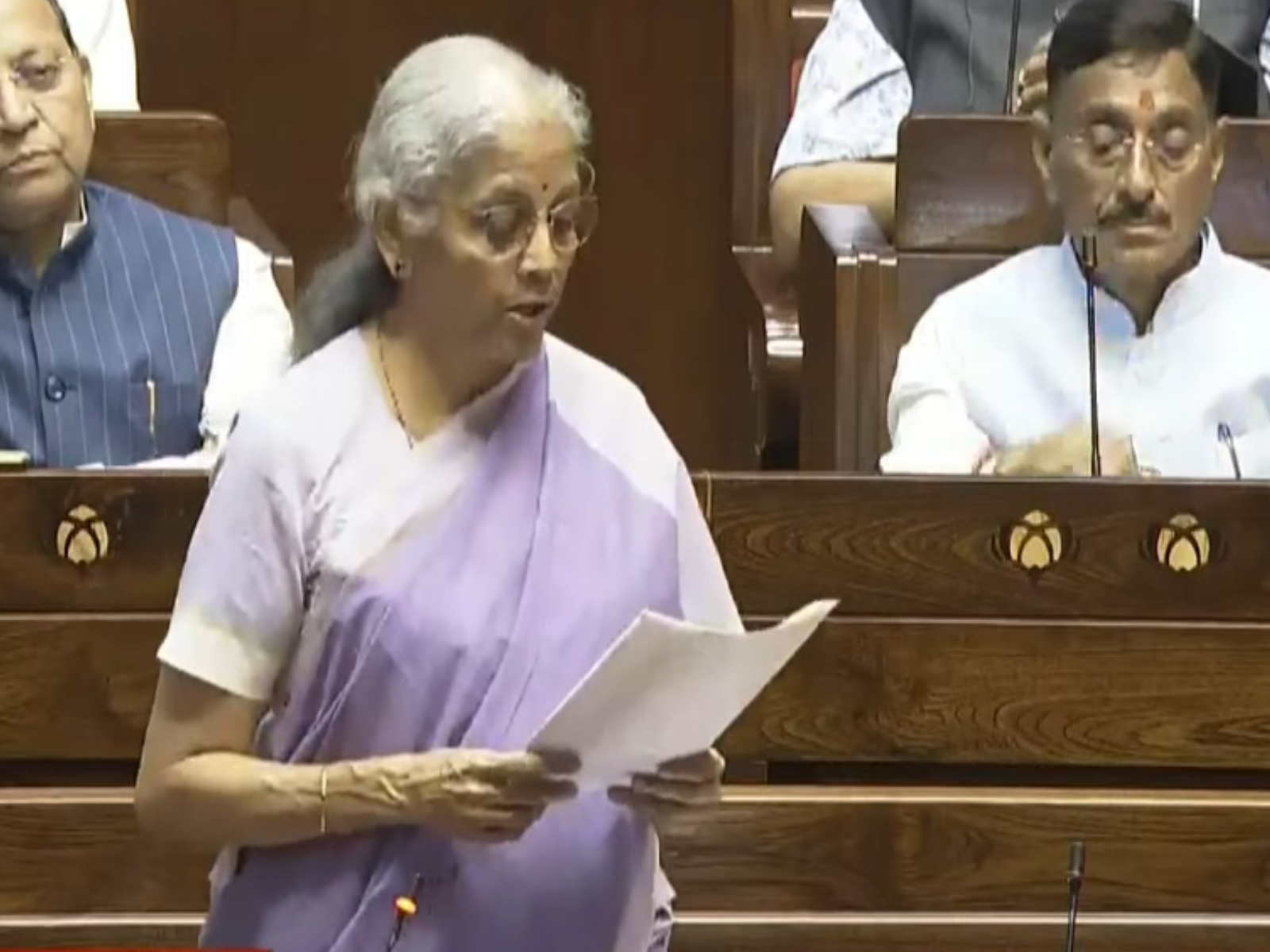
Replying to the discussion in the Rajya Sabha, Sitharaman said the UPI-related amendment is only an enabling provision and does not itself impose any tax or transaction charge on users.
“The enabling provision that we are bringing in today does not impose any tax or transaction charge on UPI users,” Sitharaman said, adding that it enables the government to specify through notification the electronic payment modes that will continue to receive statutory protection against charges.
She also said that no MDR framework has yet been finalised.
“Therefore, no MDR framework has yet been finalised,” she said.
Clarifying the position on smaller businesses, Sitharaman said, “Small merchants remain central to UPI’s inclusive growth. We are not going to impose any MDR on them. We don’t intend to.”
She further said consumers would continue to make UPI payments without paying transaction charges.
The Bill also carries a wider set of tax and investment-related changes aimed at improving ease of doing business and attracting investment. These include tax exemptions linked to specified data-centre services in India, incentives for global diamond-trading activity, measures supporting electronics manufacturing and relaxation of conditions for eligible investment funds.
Sitharaman said the reforms are intended to strengthen India’s manufacturing ecosystem, attract investment and generate employment.
On data centres, she said the reforms would help expand the domestic ecosystem and stressed that “the investment, the assets, the employment, and also the profit will rest with Indian companies on account of data centre reforms.”
The Bill also provides tax exemptions for certain foreign institutional investors and the Bank for International Settlements on income from investments in government securities, while introducing other changes related to rough-diamond trading and business trusts.
As a Money Bill, the Rajya Sabha can recommend amendments but cannot block it; the Lok Sabha may accept or reject those recommendations. (ANI)
Related reading