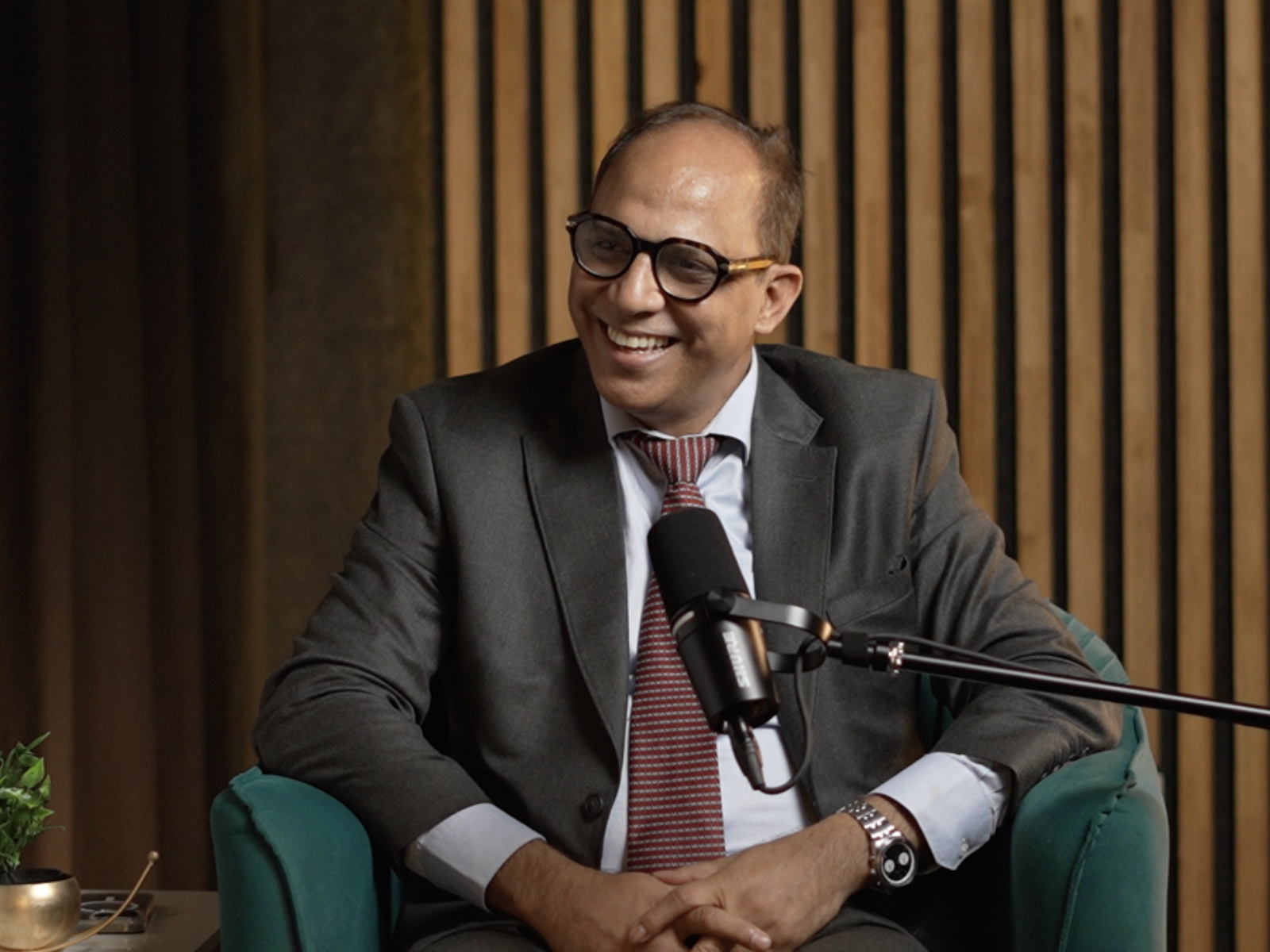

New Delhi [India], July 6 (ANI): OPEC+ is unlikely to focus on defending a price floor in the near term and will instead be more concerned with oil availability, as the Strait of Hormuz remains only half-normalized according to Anindya Banerjee, Senior Vice President and Head of Commodity Research, Currency, Commodities and Interest Rates, Kotak Securities.
OPEC+ is an alliance of oil-producing nations that coordinates global crude oil production to manage and stabilize prices. It combines the 12 core members of the Organization of the Petroleum Exporting Countries (OPEC) with 11 non-member nations, most notably Russia.
Banerjee sees Brent crude staying below $85/bbl as beneficial for India, but flagged that a full normalization of Hormuz over the next six to nine months could push the market into a “perfect storm” of surplus if OPEC+ continues rolling back cuts amid weak demand.
On the OPEC+ handling Iraq and Kazakhstan’s persistent overproduction while allowing an August output increase, Banerjee said the group is facing a fragmented and challenging environment. “Since Covid they had to cut back… first 2 million barrels, again And then they had to ensure every member adheres to that. That was a huge challenge. And now we have seen how the OPEC is fragmented. UAE has stepped out. Iraq is saying that we want a higher quota.”
He noted that despite official cuts of around 6 million bpd, the market still had an estimated 2-3 million bpd surplus pre-war. Currently, 5-6 million bpd remains offline, which is acting as a floor for prices. The recent rollback announcements are “more of a sentimental thing” to cap prices, he said.
Banerjee said that on a good month about 2,000 tankers used to transit. “Now it is still, I would say on a very good day, you are able to do half of that.” Empty tankers need to return and shipping companies need comfort, so full normalization will take 6-9 months. “If things were to come back online completely over the next six to nine months in Hormuz, this oil prices would crash,” Banerjee said, adding that a resolution in Ukraine and Russia’s return could add more supply just as demand lags.
For India, lower oil prices are a net positive. “India is very well-placed because… with the current dynamics which is playing out the lower oil prices which is going to be quite beneficial to us.” He said inflation pressures start to build only if Brent goes above $85. Gas markets remain tighter and won’t crash like oil due to logistics constraints, though Qatar supply should improve over 6 months.
On currency, Banerjee sees the rupee with a “great taping till September.” His base case is USD-INR at 92-93, with a pessimistic dollar scenario at 90-91, supported by RBI opening the debt market to FPIs and potential $50 billion+ inflows from FCNRB and ECB deposits offering 7 per cent+ rates to NRIs. However, the RBI may intervene to rebuild reserves, limiting appreciation. (ANI)
Related reading