New Delhi [India], October 16 (ANI): Non-tariff barriers remain the single biggest obstacle in trade ties between India and China, Union Minister for Finance and Corporate Affairs Nirmala Sitharaman said on Friday, pointing out that an expanding trade imbalance continues to weigh heavily against the country despite years of bilateral engagement.
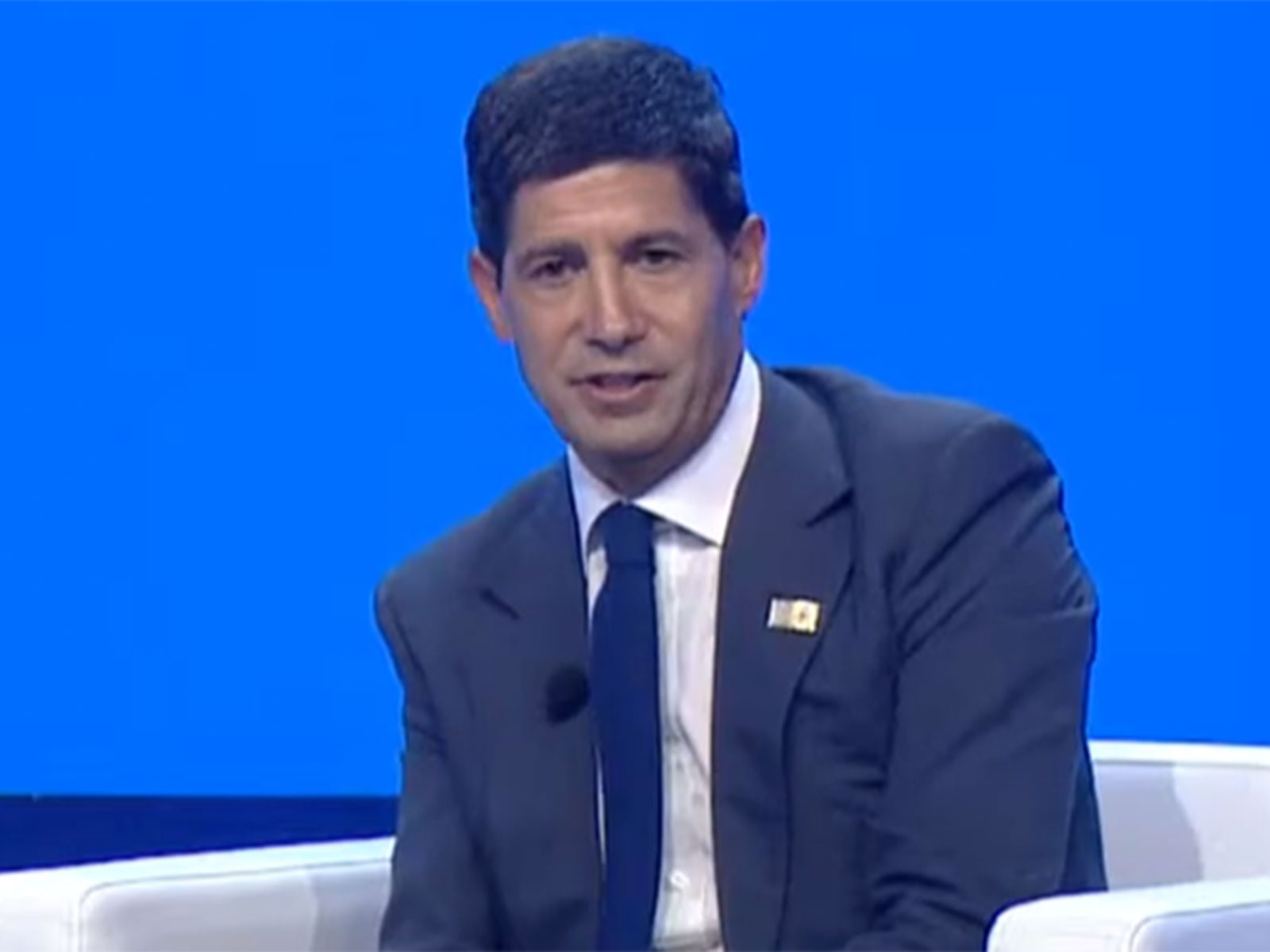
The Minister made these observations during an interactive session with Michael Kugelman of the Atlantic Council on ‘India’s economic edge’, held on the sidelines of the World Bank-IMF Annual Meetings in Bangkok, Thailand.
Addressing the trade friction with Beijing, Sitharaman said that, “So non-tariff barriers are the biggest hurdle in the trade between India and China. That is one, and second, if the approach globally that you see today, where imbalance is huge, countries impose tariffs and say, ‘no, we cannot sustain this imbalance, either you correct it or else we are going to be very punitive on you’, that approach we have never taken.”
Sitharaman mentioned that with China, the trade balance is against India’ and it is growing exponentially. “The trade imbalance is something which we have been talking about with China now for several years. We are denied market access, even for those goods for which there are immense market opportunities in China.”
She noted that Indian products face persistent roadblocks across key sectors despite proven global competitiveness.
“We are global leaders in generic drugs, bovine meat, vegetables and perishables and very many such goods which have huge potential in China. I would think a decade has gone by, consistently putting up a case for market access for Indian products. But non-tariff barriers have been very strong and China uses non-tariff barriers unhesitatingly, whether it is in the name of phytosanitary measures or any other, for which due investigations can happen, for which due both sides sitting and talking can happen, but no progress is made,” the Minister said.
Highlighting India’s distinct approach to resolving trade frictions through dialogue rather than sudden retaliatory tariffs, she added that “it is not the way India believes in dealing with trade negotiations. We sit and talk. It is sometimes very tiresome. But we do go through that approach rather than put CVDs, countervailing duties or some non-tariff barriers to counter the non-tariff barriers on the other side. So these are ways in which we find it difficult to correct the imbalance which prevails between China and us.”
Beyond bilateral relations with China, the Finance Minister also touched upon the much anticipated India-US trade agreement.
“I think recently, a day or two ago, the Indian Commerce Minister has also spoken that they expect and wish to have the [India-US] agreement signed soon. Negotiations have been going on, I hope, in the interest of global trade and in the interest of trade between the two partners, India and US, the trade agreement gets concluded at the earliest,” she noted.
Sitharaman also reiterated India’s commitment to multilateralism while actively pursuing direct trade agreements with key partners, including the United Arab Emirates, Australia, Canada, and the European Free Trade Association (EFTA) bloc, alongside ongoing efforts to finalize a pact with the United States. (ANI)
Related reading