New Delhi [India], August 25 (ANI): Industry experts and economists at the ‘Bharat Nirman Summit’ underscored the critical role of large-scale corporate investments, massive infrastructure projects, and urban redevelopment in driving India’s economic trajectory.
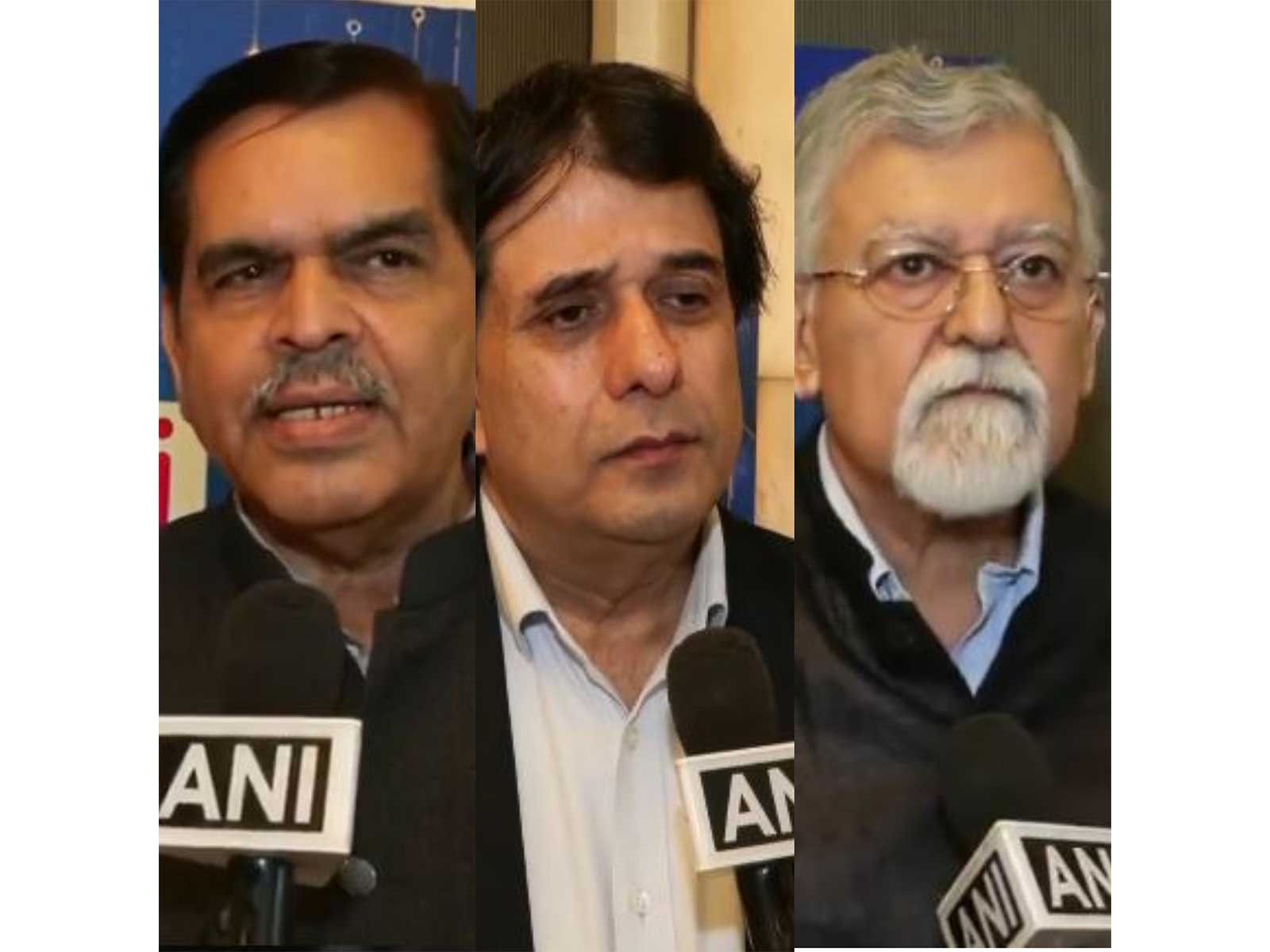
Speaking on the role of the Adani Group and other major players in India’s infrastructure story, Economist Ashwani Mahajan emphasised that the sheer scale of national projects necessitates the involvement of large corporates.
“There are two types of ventures: those that operate on a small scale and those that operate on a massive scale. Smaller players generally lack the capacity to operate at such a large scale. Therefore, large corporates play a crucial role, as the massive investments required for these projects can only be mobilised through them,” Mahajan said.
He further highlighted the importance of retaining wealth within the country, stating, “We need numerous companies that contribute to the nation’s development–whether in infrastructure, which encompasses various sub-sectors, or energy. It is essential that domestic capital, including funds from Indian shareholders is utilised for national development through these Indian companies, ensuring that the profits generated remain within India.”
Mahajan added that the presence of such large entities is “vital for the growth of sectors like telecom, energy, and infrastructure,” where large-scale investment is a prerequisite.
Turning the focus to aviation, Kapil Kaul, CEO and Director of CAPA India, discussed the transformative potential of the Navi Mumbai International Airport. While noting the delay in its execution, Kaul described the project as a “game-changer.”
“It is unfortunate that it took 15-20 years for this airport to come. Now that it has come, it will change the entire economics of Maharashtra, so its impact across Maharashtra will be game-changing,” Kaul said.
He noted that the project provides India with a “long runway in terms of capacity” and predicted the creation of an integrated “MMRC system” once metro connectivity between Navi Mumbai and the current Mumbai airport is established. “It may take over a thousand crores to build it, but the impact will be massive,” he added.
Kaul also drew parallels with the Guwahati airport, noting its significance for the Northeast region.
“It had a problem of capacity… It could not expand. Now it looks like any other international airport and the capacity is being augmented further. Over the period of the next 10-20 years, the same impact of Navi Mumbai airport on Maharashtra will be seen regarding Guwahati airport over the entire Northeast region. Airports attract Foreign Direct Investment, tourism, trade,” he said.
Addressing urban transformation, former NITI Aayog Member Arvind Virmani spoke in support of the Dharavi Redevelopment Project, emphasising the social and developmental benefits of replacing informal settlements with planned urban spaces.
“They are developing the area and providing spaces for children, as well as adequate housing. Yet, no one took that into account,” Virmani remarked.
He framed the redevelopment as a fundamental necessity for public health, stating, “I have always supported the redevelopment of informal settlements. It is fundamental: children’s health; malnutrition will disappear. Replacing a precarious settlement with a proper urban development… land, parks, and housing–these elements are absolutely crucial for child development.” (ANI)
Related reading