New Delhi [India], October 22 (ANI): Jindal Steel aims to more than double its coal gasification capacity from the current 4.5 million tonnes to around 11 million tonnes or more by the end of 2030, as the company looks to expand gasification-based production and strengthen industrial value addition, a senior company official said.
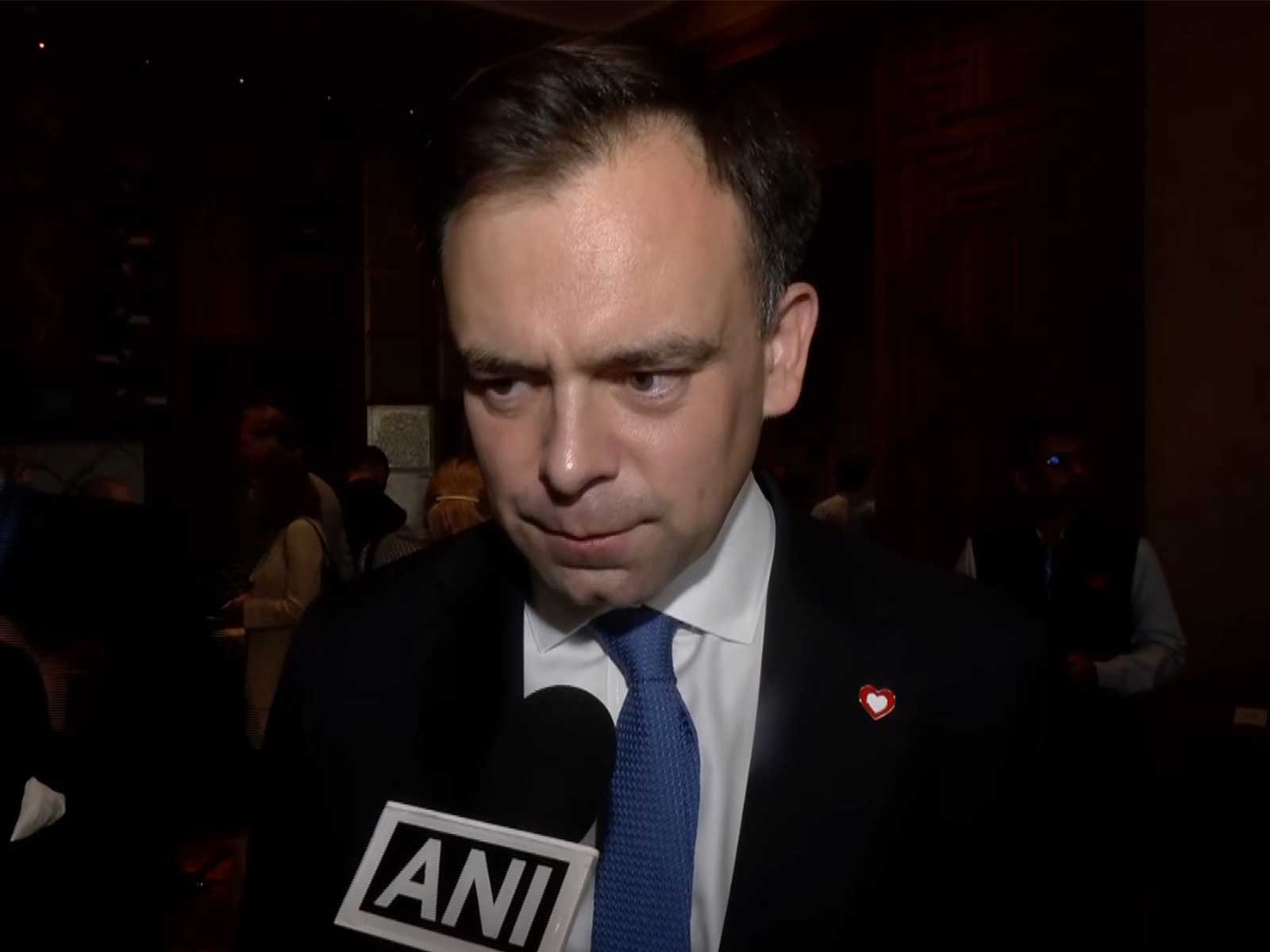
Speaking to ANI on the sidelines of the Coal Gasification India Conference 2026, Naveen Ahlawat, President and Head of Sustainability and Decarbonisation, and Head of Marketing – Carbon to Chemicals at Jindal Steel, highlighted the company’s expansion plans and the potential of coal gasification to support India’s energy self-reliance.
The government aims to gasify 100 million tonnes of coal by 2047 under the National Coal Gasification Mission. Jindal Steel is currently gasifying close to 4.5 million tonnes and expects to increase this to around 11 million tonnes or more by the end of 2030, Ahlawat said.
Normalisation of coal supplies to power plants is expected to support power generation and create opportunities for industrial value addition through coal gasification, enabling India to produce chemicals, fertilisers and synthetic natural gas using domestic resources, he said.
“If production gets normalised, power generation will be perfectly alright,” said Ahlawat.
“From the coal gasification perspective, once the supply is stabilised, it will be very good for value addition from Coal India,” he added.
Ahlawat highlighted the potential benefits of stable coal supplies for industries looking to expand gasification-based production.
India is currently producing close to one billion tonnes of coal annually and has reserves of nearly 300 billion tonnes, which could last for around 300 years, he said. Beyond conventional power generation, Ahlawat said coal gasification could help the country extract greater economic value from its domestic resources and reduce foreign exchange outflows.
“Apart from using coal for power generation, if we use it for coal gasification to produce chemicals such as methanol, ethanol, ammonium nitrate, synthetic natural gas and other products, it can definitely help reduce our forex outflow,” he said.
Coal gasification converts coal into synthesis gas, or syngas, which can serve as a feedstock for chemicals and industrial products. The process can also support fertiliser production, including the manufacture of urea from syngas, potentially reducing dependence on imported fertilisers.
“I think production will get normalised, so power generation will be perfectly alright,” Ahlawat said, expressing confidence in the outlook for coal production and electricity generation.
He said greater energy self-reliance was important for insulating India from external disruptions, including the West Asia crisis, and achieving the goal of becoming a developed nation by 2047. Coal gasification, he added, could be an important enabler of that ambition.
Jindal Steel operates a coal gasification-based direct reduced iron (DRI) plant in Angul, Odisha. Ahlawat said the company had been operating what he described as the world’s only coal gasification-based DRI plant for more than 12 years.
The company is working on the second phase of its two-million-tonne DRI plant, which it plans to commission by the end of next year. Following its completion, the focus will be on improving integration, reducing carbon intensity, enhancing gasifier reliability and efficiency, and exploring the conversion of captured carbon dioxide into valuable downstream chemicals.
Ahlawat identified the availability of good-quality coal as the main challenge facing the sector. He said the Ministry of Coal was introducing dedicated linkages for coal gasification plants, while Jindal Steel was also backward-integrating with its mines to secure supplies. Blending coal from the company’s mines with suitable-quality coal from nearby sources could further improve plant performance, he added.
He also highlighted the potential of coal-bed methane (CBM) combined with carbon capture and utilisation (CCU), saying the combination could help reduce carbon intensity by 30-40 per cent. Integration with renewable energy could further support the transition towards greener steel production.
He said stable coal supplies, access to suitable-quality coal and continued policy support would be important for expanding gasification and strengthening the domestic industrial value chain. (ANI)
Related reading