New Delhi [India], November 5 (ANI): India’s natural gas demand is expected to decline by around 2 per cent year-on-year in 2026, even as liquefied natural gas (LNG) imports continue to rise amid weakening domestic production, according to the International Energy Agency (IEA).
The trend highlights the challenges facing India’s gas market as disruptions to global LNG supplies through the Strait of Hormuz and elevated international prices reshape supply and consumption patterns. The IEA said the outlook would remain influenced by global supply availability and domestic production trends.
“India’s gas demand contracted sharply from March to May 2026 in the wake of the crisis, before recovering to levels broadly in line with a year ago from June,” the agency said in its Global Gas Security Review 2026.
Despite the recovery in consumption, the country’s LNG imports increased by 10 per cent, or nearly 3 billion cubic metres (bcm), year-on-year during January-October 2026.
The report attributed the increase to domestic production weakening more significantly than overall demand, underlining the growing importance of imported gas in meeting the country’s requirements.
“India, historically a relatively price-sensitive market, imports grew by 10% (or nearly 3 bcm) y-o-y as domestic production weakened more significantly than total demand,” the IEA said.
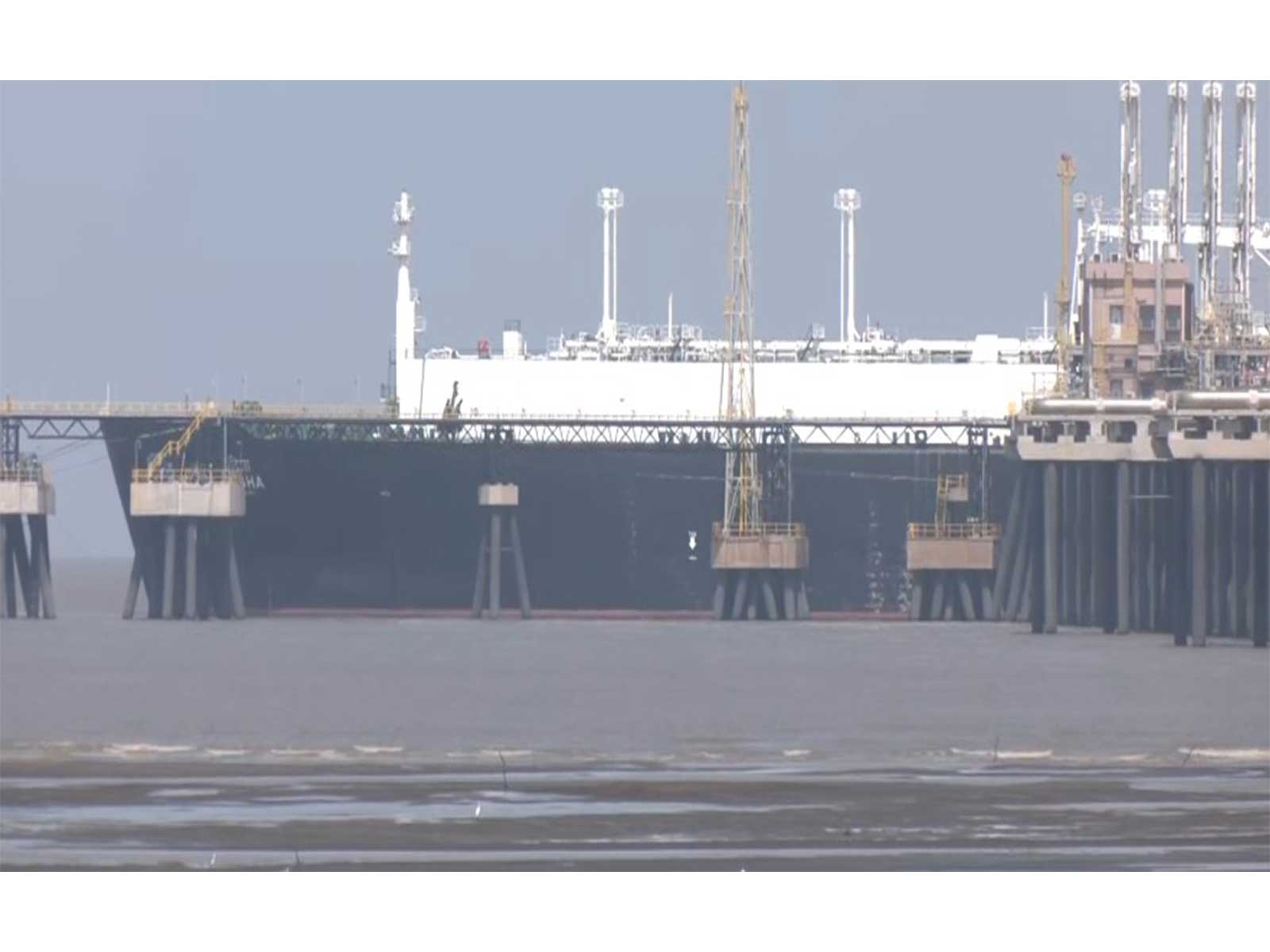
The increase came at a time when global LNG supplies faced considerable disruption following the closure of the Strait of Hormuz. Delivered LNG supplies from Qatar and the United Arab Emirates fell by around 62 bcm, or 63 per cent, year-on-year during January-October 2026, marking the largest supply shock in the history of the LNG market.
The disruption also pushed Asian and European gas prices to their highest levels since the 2022-23 energy crisis, increasing competition among importing countries for available cargoes.
Globally, natural gas demand is projected to decline by around 1.5 per cent, or nearly 65 bcm, in 2026, marking the third annual decline this decade. LNG supply is also expected to fall by 3 per cent, or almost 20 bcm, during the year.
Looking ahead, the IEA highlighted the need for stronger international cooperation and adequate investment across the gas and LNG value chains to improve supply resilience amid growing geopolitical uncertainties.
“The growing geopolitical complexity has underscored the need to strengthen the architecture of global gas supply security,” the agency said. (ANI)
Related reading