New Delhi, [India] May 17 (ANI): In a bid to safeguard macroeconomic stability against volatile global commodity shifts, a report by Brickwork Ratings revealed that a strategic, consumer-led “demand-side push” could help India save up to USD 37.8 billion (approximately ₹3.59 lakh crore) in foreign exchange reserves.
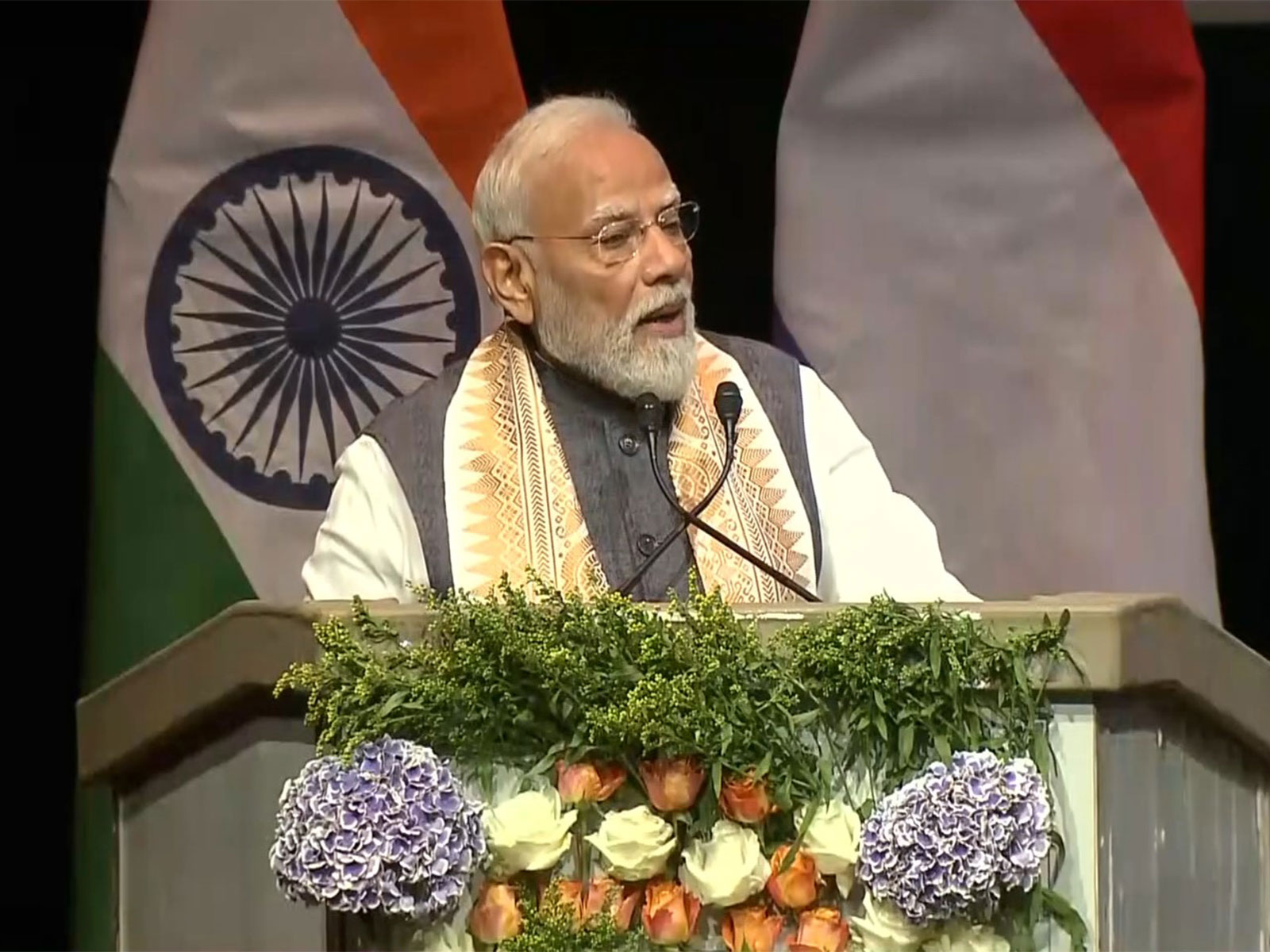
With crude prices likely to stay above USD 100 per barrel for the rest of 2026 and the rupee under pressure near Rs 95/USD, Brickwork Ratings said Prime Minister Narendra Modi’s seven behavioural appeals could provide India with a USD 37.8 billion forex buffer this fiscal year.
The report argues that voluntary demand reduction across fuel, gold and fertilisers may offer the government fiscal breathing room at a time when its ability to absorb oil price pass-through is thinning.
The seven appeals — work from home, avoiding foreign travel, postponing gold purchases, fuel conservation, cutting edible oil consumption, promoting natural farming and adopting swadeshi products — are aimed at lowering import dependence across energy, trade and agriculture.
Brickwork estimated that even a modest 10% reduction in crude imports could save USD 13.4 billion, while a 50% cut in fertiliser imports could yield USD 7.3 billion in savings. Similarly, a one-year suspension of non-essential foreign travel could retain USD 7.9 billion domestically under the Liberalised Remittance Scheme, and a 10% drop in gold demand could save USD 7.2 billion.
The rationale is clear: at USD 100+ per barrel, India’s import bill rises sharply, making inflation harder to control. “The government’s fiscal dilemma is that cutting fuel taxes reduces revenue, while passing costs to consumers pushes inflation up,” the report noted. Voluntary demand reduction, it says, eases pressure on both fronts simultaneously by slowing the pass-through of global oil prices to the Consumer Price Index.
Work from home and fuel conservation are seen as immediate levers. “Reducing domestic fuel demand buys the government fiscal space — avoiding both a revenue hit and an inflationary shock,” Brickwork stated. The appeals also target India’s external vulnerabilities, particularly gold and fertilisers. With gold accounting for roughly USD 72 billion of imports in FY26, curbing purchases can directly free up foreign exchange to manage the higher oil bill.
On fertilisers, while India is near self-sufficient in key nutrients, 25-30% of total needs are still imported, leaving the sector exposed to global supply shocks. The report highlights natural farming as a “triple macro dividend” that cuts fertiliser imports, reduces subsidy burden and improves soil health.
The Swadeshi push is positioned as a structural safeguard. By promoting Indian-made goods, the appeal reinforces MSMEs and rural supply chains while reducing dependence on volatile global markets. However, Brickwork cautioned that benefits depend on timing and substitution effects — for instance, reduced gold imports will only conserve forex if households do not shift to other imported assets.
The report concluded that the appeals represent a pivot towards proactive demand-side management. If implemented at scale, they could stabilise the rupee at current levels and shield the fiscal deficit from prolonged commodity volatility.
“This strategic shift builds the structural resilience necessary to decouple domestic growth from global commodity volatility across energy, trade, and agriculture,” Brickwork said. (ANI)
Related reading