New Delhi [India], August 20 (ANI): India’s industrial and warehousing sector is expected to maintain its strong growth trajectory through the second half of 2026, supported by continued manufacturing expansion, greater outsourcing of logistics operations, policy support and improving multimodal connectivity, according to a latest report by Knight Frank India.
The completion of the Dedicated Freight Corridor network and India’s growing appeal as an alternative global manufacturing destination are expected to further strengthen long-term occupier demand.
Industrial and warehousing leasing across India’s eight primary markets rose 15 per cent year-on-year to 36.8 million sq ft in H1 2026, despite geopolitical disruptions, elevated freight costs and currency volatility. The growth was supported by robust domestic consumption, sustained manufacturing activity and investments in logistics infrastructure.
Manufacturing remained the largest demand driver, accounting for 46 per cent of total leasing at 17 million sq ft, up 17 per cent from a year earlier. Third-party logistics (3PL) operators strengthened their position as the second-largest occupier segment, accounting for 30 per cent of leasing at 11.1 million sq ft, a 27 per cent YoY increase.
Mumbai led the market with 10.7 million sq ft of transactions, its highest-ever half-yearly leasing volume, marking 44 per cent YoY growth. NCR followed with 5.9 million sq ft, up 17 per cent, while Bengaluru recorded 4 million sq ft, a 36 per cent increase. Ahmedabad grew 15 per cent, while Kolkata registered the fastest percentage growth at 69 per cent.
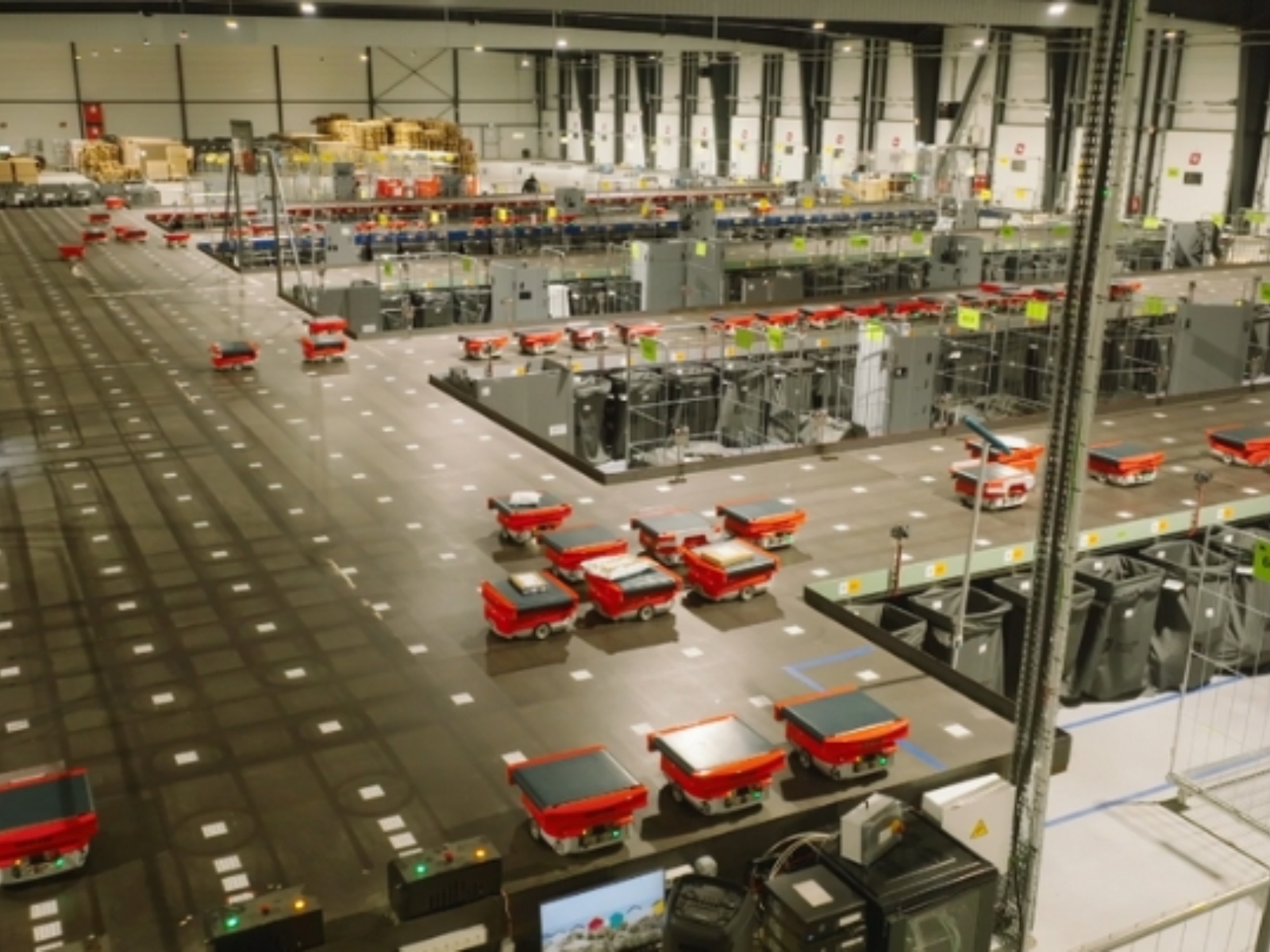
The sector also saw continued expansion in supply, with total industrial and warehousing stock reaching 584.9 million sq ft, up 14 per cent YoY. Vacancy improved to 11.4 per cent from 12.1 per cent a year earlier, indicating that absorption broadly kept pace with new supply. Grade A facilities accounted for 47 per cent of total stock, reflecting rising occupier preference for higher-quality, efficient and automation-ready warehouses.
However, Knight Frank cautioned that land availability, fragmented ownership, regulatory complexities and project approval timelines could constrain future supply creation. Addressing these bottlenecks will be crucial to sustaining the sector’s expansion and India’s emergence as a major global manufacturing and logistics destination. (ANI)
Related reading