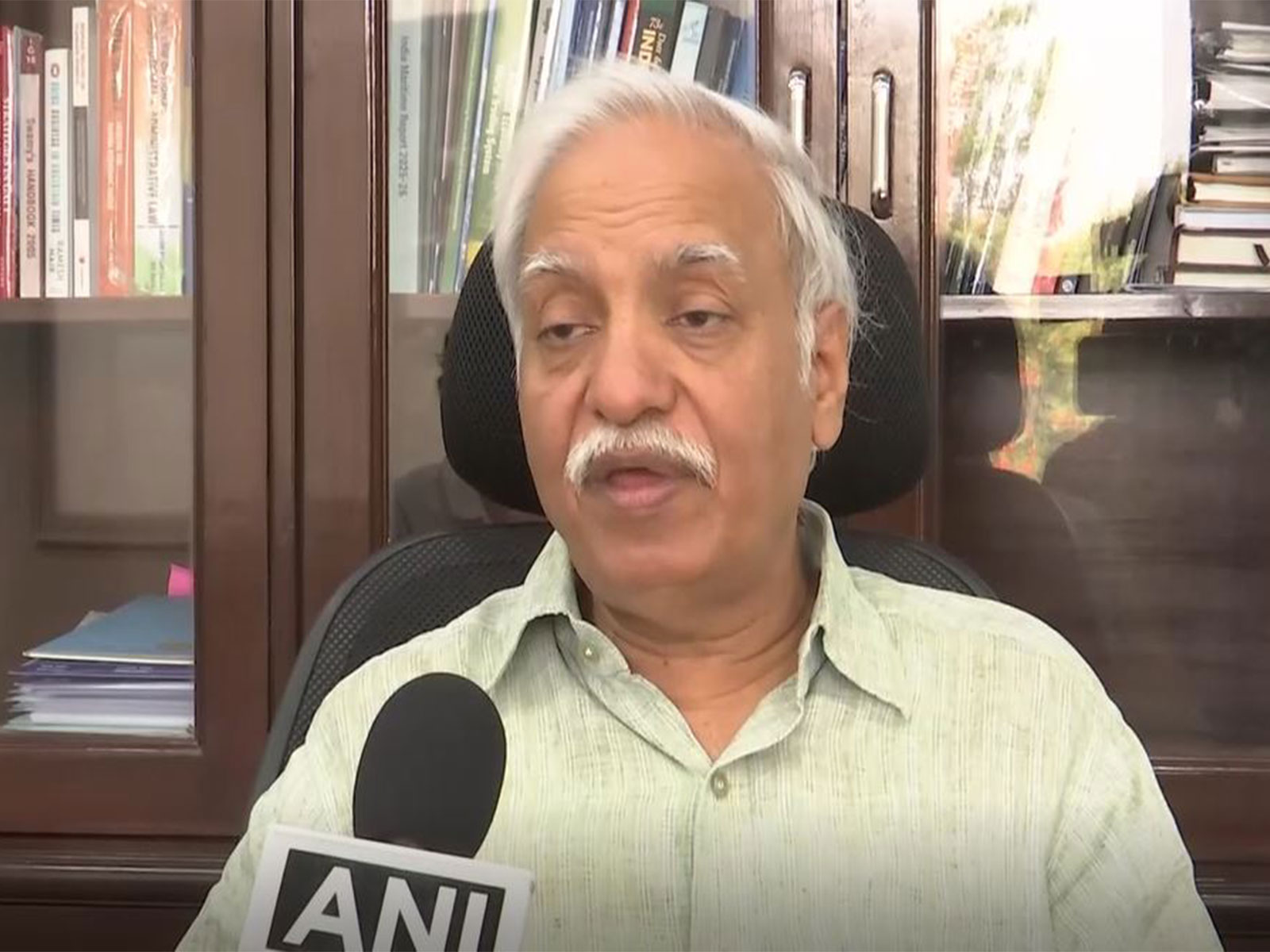
New Delhi [India], May 22 (ANI): India is positioning itself as an alternative investment destination to China amid global geopolitical uncertainty and supply-chain diversification, with the country leveraging its large youth population, English-speaking workforce and expanding manufacturing base to attract foreign direct investment (FDI), Indian Institute of Foreign Trade’s (IIFT) Vice Chancellor, Rakesh Mohan Joshi told ANI today.
“The world is increasingly perceiving India as a safe destination, as a reliable destination. The biggest strength of the country is the people of this country. India, with 1.46 billion people, almost 900 million youth in this country,” Joshi told ANI in an exclusive interview.
He said India is trying to capitalise on the global value-chain diversification strategy as countries seek alternatives to China for manufacturing and investments.
“Countries are looking for alternative destination for investment, and India is promoting itself as a destination for investment,” he said.
On Thursday, US Ambassador Sergio Gor also said that American companies are increasingly looking at India as a preferred destination for expansion and supply chain diversification amid ongoing global realignments.
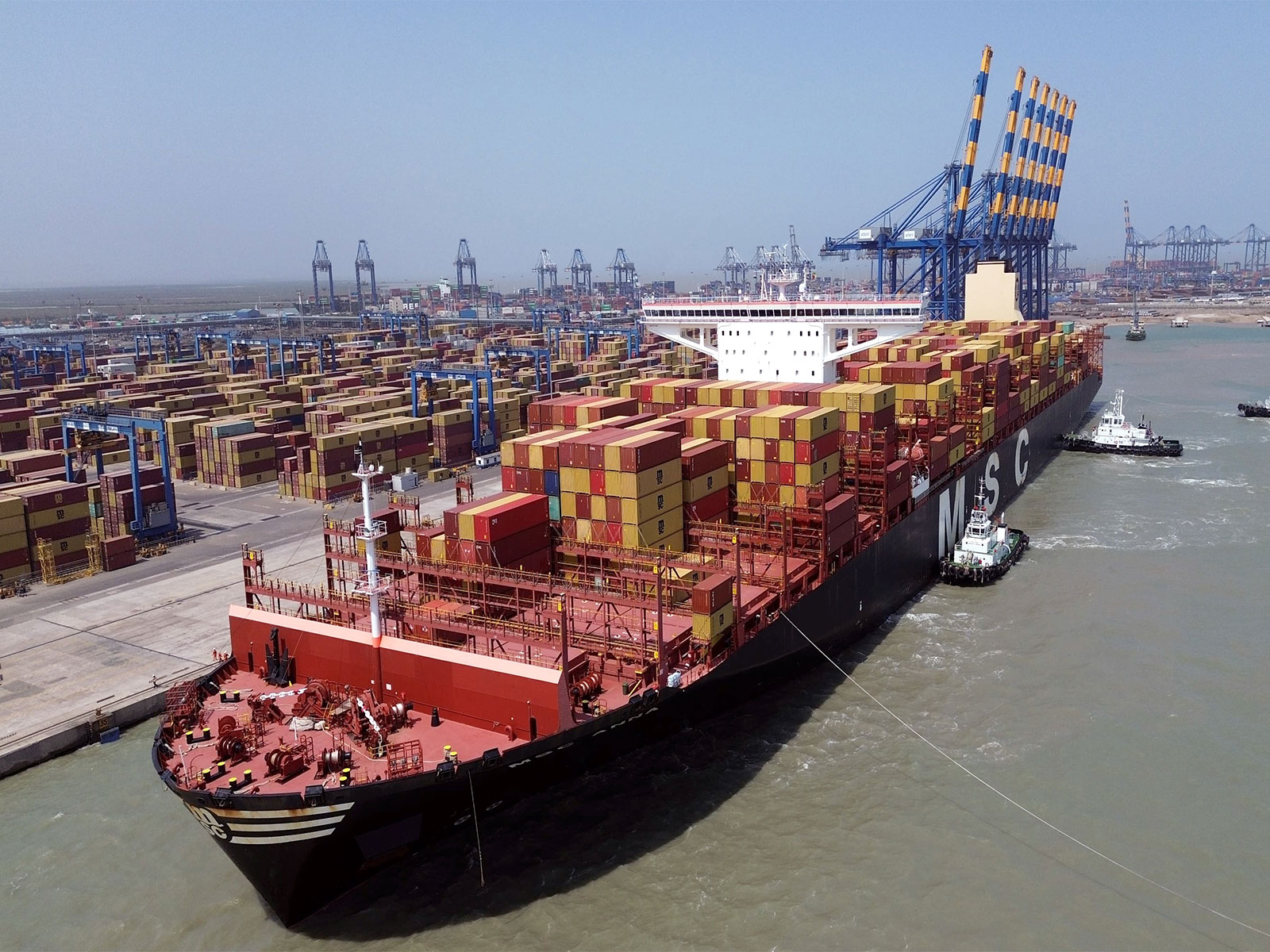
According to Joshi, India is focusing on sectors such as electronics, textiles, handicrafts, marine products and mobile phone manufacturing to strengthen exports and attract global investments.
“India has done a revolutionary task in terms of mobile phone manufacturing,” he said, adding that India has emerged as one of the leading manufacturers and exporters of smartphones globally.
On foreign institutional investment (FII), Joshi said recent global uncertainty has triggered outflows, though India continues efforts to retain and attract investments.
He added that FII inflows remain important for managing the rupee exchange rate and supporting financial stability.
“India is making all the effort not only to retain FII but to attract FII because FII and the investment are also crucial in managing the exchange rate for the rupee,” he said.
Joshi said India is currently facing a severe external energy shock because nearly 89 per cent of the country’s petroleum requirement is met through imports.
“India, for its energy needs, is dependent solely on external sources and 89 per cent of India’s petroleum requirement we are importing,” he said.
He noted that crude oil prices have risen sharply due to geopolitical tensions in West Asia.
“The price prior to the war which was almost USD 64-66 a barrel has gone now to USD 110 a barrel. It already peaked to USD 115-120 and it is expected that the price of crude will go up to USD 140 per barrel,” he said.
According to Joshi, disruptions around the Strait of Hormuz have affected petroleum and gas supplies globally, pushing up energy and fertilizer prices and increasing inflationary pressures.
He said India has so far absorbed much of the energy shock through subsidies and tax adjustments, though fuel prices may rise further in the coming period.
“Everybody knows that it will impact the cost of production, it will impact the cost of living, it will lead to rise in consumer inflation,” he said.
On the rupee, Joshi said the domestic currency has weakened sharply amid external pressures.
“Rupee depreciation, rupee’s all-time low, almost 97 it has already gone and it may slide further,” he said.
He, however, noted that a weaker rupee could eventually improve export competitiveness, though the benefits may not materialise immediately.
Joshi also highlighted India’s coordinated crisis-management strategy, saying ministries dealing with shipping, logistics, commerce, external affairs and consumer affairs are working together to manage supply disruptions and maintain energy availability.
On artificial intelligence (AI), he said the technology could significantly improve productivity and competitiveness across sectors.
“AI is a good tool but it is going to be a bad master,” he said, adding that India is increasingly integrating AI into governance, business and industrial processes to improve efficiency and export competitiveness. (ANI)
Related reading