New Delhi [India], July 31 (ANI): The India Cellular and Electronics Association (ICEA) on Friday outlined a roadmap for building globally competitive Indian fabless semiconductor companies, with stakeholders identifying priority chip products, stronger intellectual property (IP) creation, startup support and easier access to capital as key focus areas under the government’s Semicon 2.0 programme.
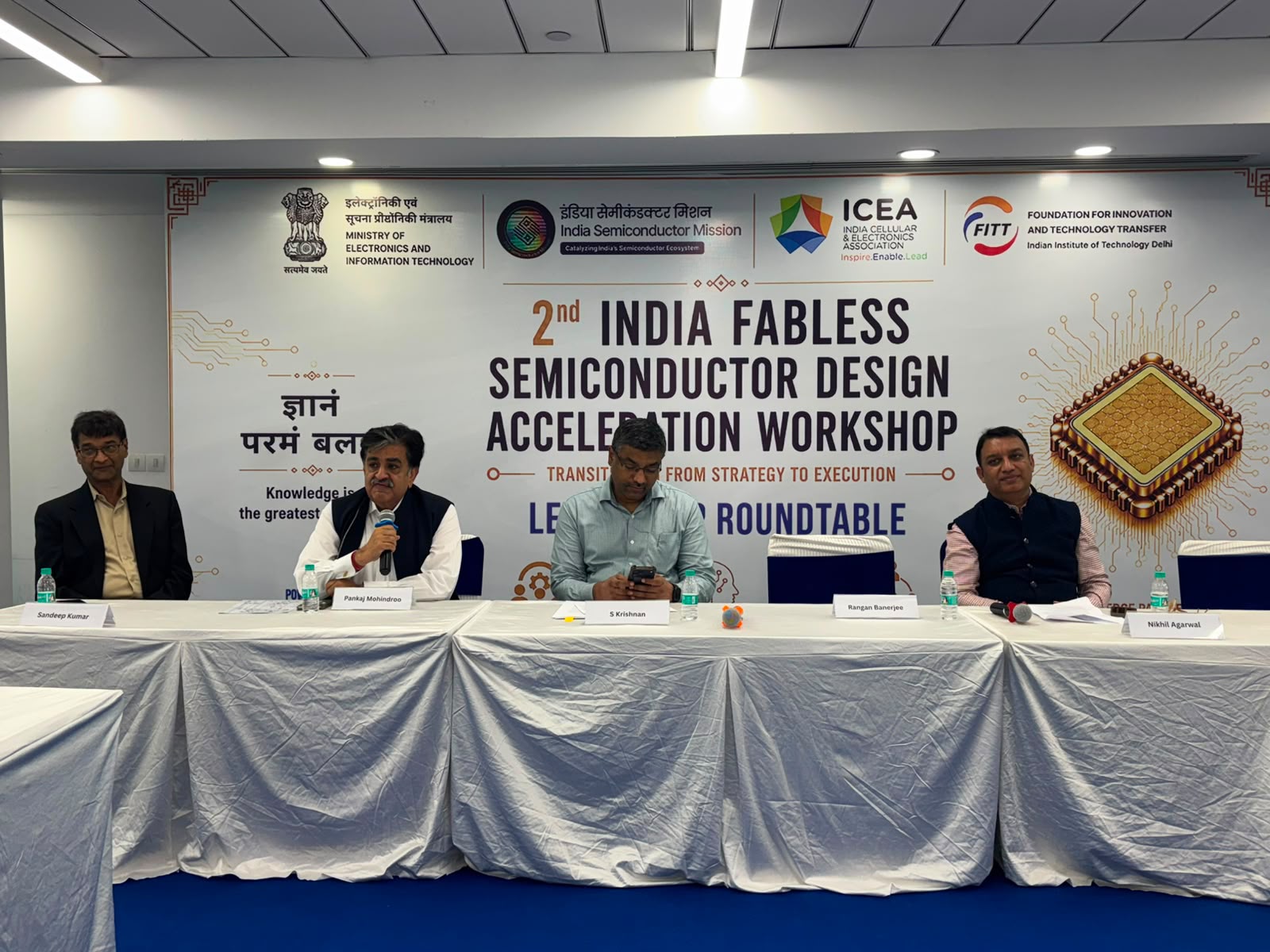
The roadmap emerged at the second India Fabless Semiconductor Design Acceleration Workshop, organised by ICEA in collaboration with FITT-IIT Delhi. According to an ICEA press release, the recommendations from the workshop will contribute to a National Semiconductor Product Roadmap to help India build globally competitive semiconductor product companies.
“The recommendations emerging from the workshop will contribute towards a National Semiconductor Product Roadmap, identifying priority semiconductor products, sector-wise opportunities and actionable implementation pathways to build globally competitive Indian fabless semiconductor companies,” the release said.
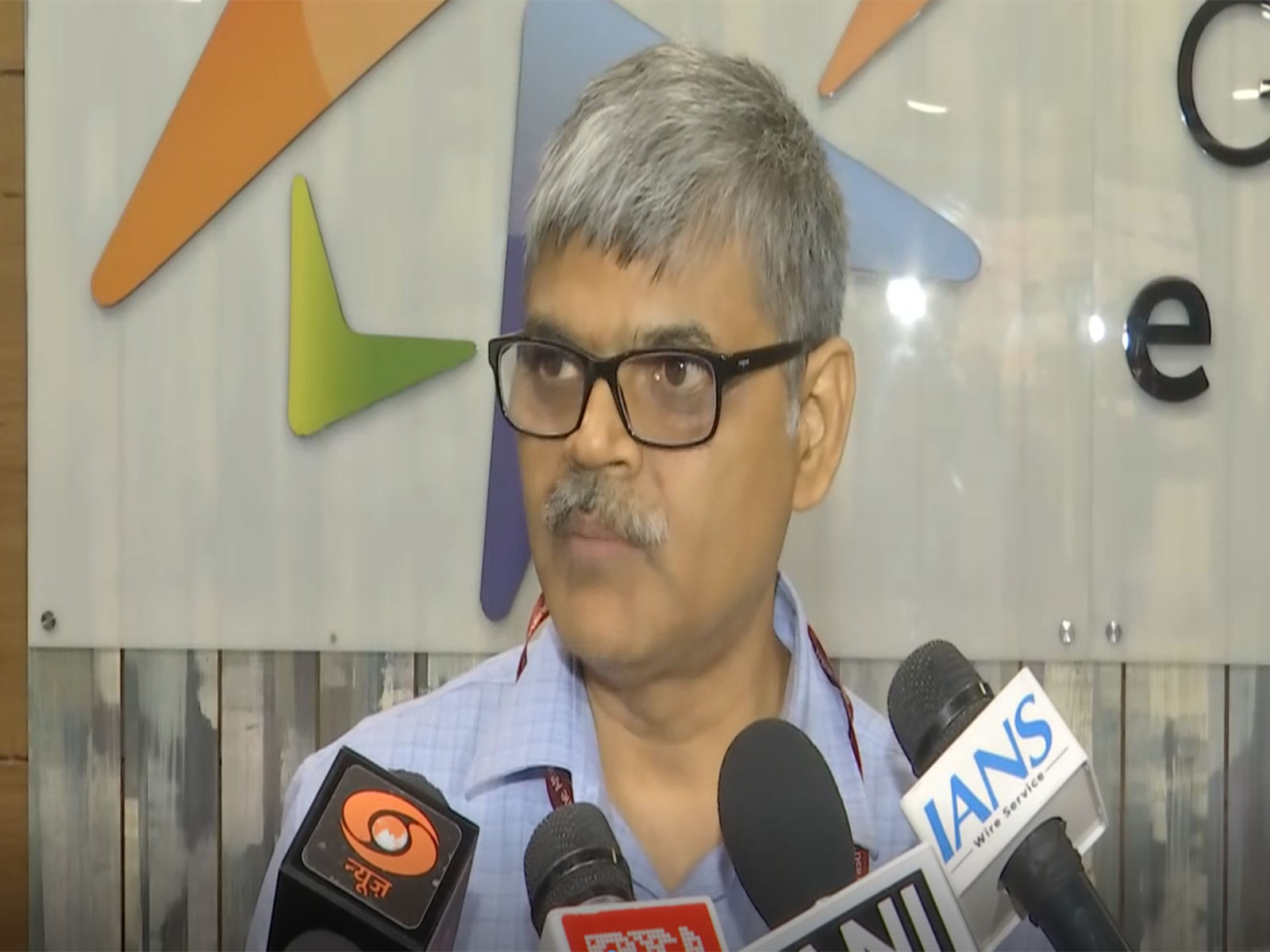
Addressing the workshop, Electronics and IT Secretary S Krishnan said the next phase of India’s semiconductor journey should focus on converting the country’s chip design strengths into commercially successful products.
“With Semicon 2.0, our focus is to help Indian companies scale, strengthen indigenous intellectual property, attract greater private investment, and, most importantly, transform world-class chip design into globally competitive products,” Krishnan said.
He added, “We must ensure that India’s semiconductor capabilities translate into products designed, owned, and commercialised from India, positioning the country as a leading global semiconductor product nation.”
India Semiconductor Mission (ISM) CEO Amitesh Kumar Sinha said Semicon 2.0 aims to create a broader innovation ecosystem by bringing together startups, established companies, overseas collaborators and investors.
“The expanded framework will enable startups, established companies, overseas collaborators, and investors to participate in building India’s semiconductor capabilities,” Sinha said. “By strengthening long-term financing, fostering indigenous IP, improving market access, and supporting the transition from chip design to commercial products, we are laying the foundation for globally competitive Indian semiconductor companies.”
According to the release, participants discussed opportunities to develop semiconductor products for sectors such as mobile phones, consumer electronics, automotive, telecom, IT hardware, industrial electronics, medical electronics, defence and power electronics. The deliberations also covered semiconductor IP creation, silicon validation infrastructure, commercialisation and market development.
ICEA Chairman Pankaj Mohindroo said India’s expanding electronics manufacturing ecosystem now needs a parallel push in semiconductor product development.
“The next phase must focus on creating Indian-owned semiconductor products, IP and globally competitive technology companies,” he said, adding that products such as application processors, power management ICs, automotive microcontrollers and networking processors would be critical for increasing domestic value addition and reducing import dependence. (ANI)
Related reading