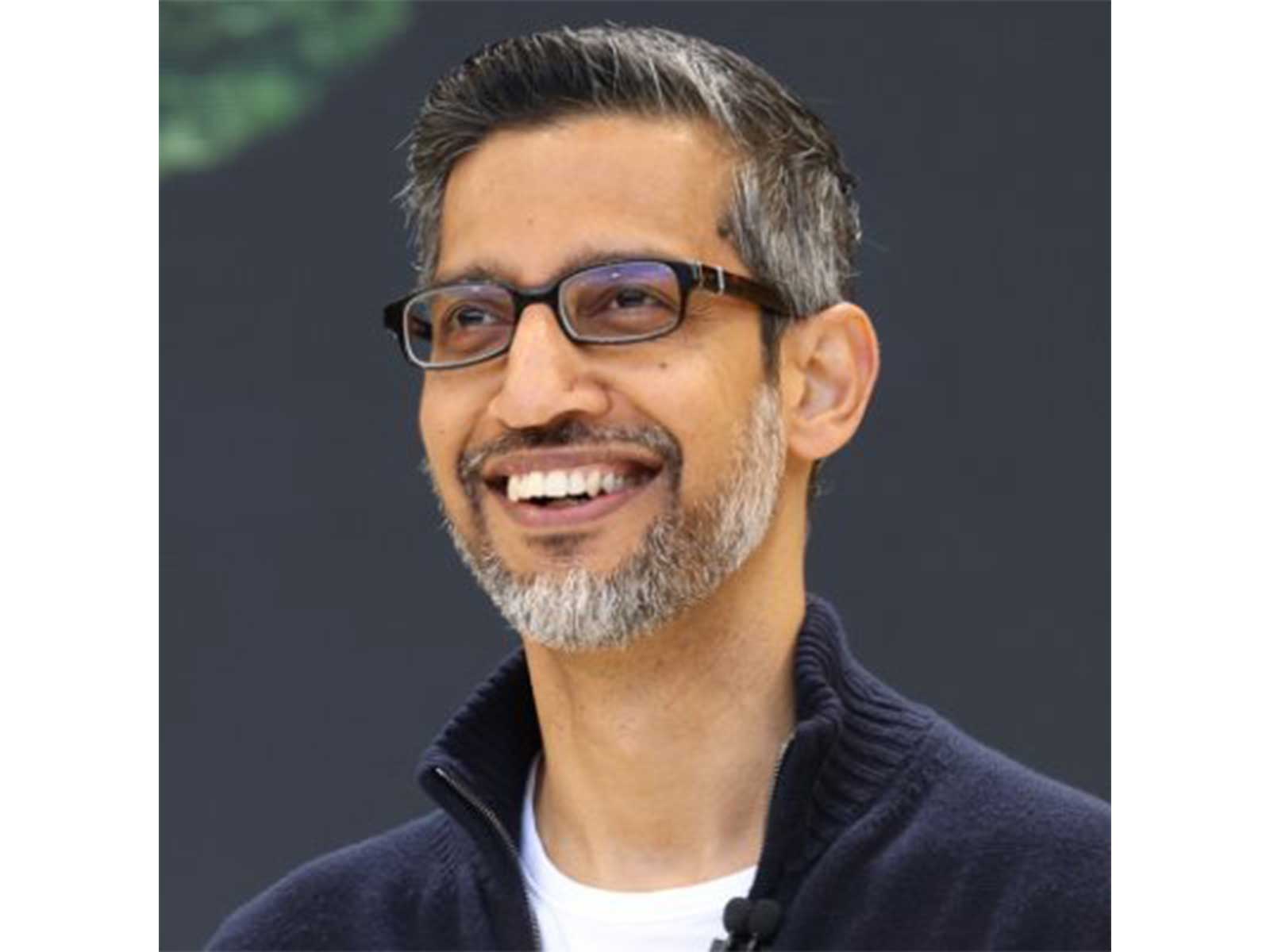
New Delhi [India], September 16 (ANI): Amid the ongoing debate over slowing the pace of artificial intelligence development, Google CEO Sundar Pichai has highlighted the tech giant’s AI efforts across health, wealth and education, arguing that advances in the technology can accelerate scientific research and deliver tangible benefits for people.
Pichai shared a blog post on his official X account highlighting Google’s recent AI initiatives and their application to real-world challenges.
“We’re focusing our efforts on four key areas: health, natural disaster and weather resilience, learning, and economic opportunity,” he noted.
According to the post, Google’s AI technologies now support more than 300 languages spoken by around 7 billion people, representing about 86 per cent of the global population.
Highlighting the use of AI in scientific research and healthcare, Pichai said Google has used AlphaGenome Atlas to map all 9 billion possible single-letter genetic changes across the human genome and made the resource openly available to researchers.
“Mapped all 9B possible single letter genetic changes across the human genome with AlphaGenome Atlas and made it openly available to researchers,” he noted, adding, “We published AI & Economy ATLAS, a comprehensive open-access look at how people are using AI globally.”
https://x.com/sundarpichai/status/2099911653395685765
The Google CEO also highlighted that the tech giant has introduced WeatherNext — a global weather AI model that provides accurate weather data.
“We introduced WeatherNext 3, our most advanced and accurate global weather model, delivering 50% more accurate precipitation forecasts a day or more ahead — and it’s already in use in our products,” Google said in its blog, adding, “We brought together data on global health, food security, and socioeconomics into a single Planetary Prediction Engine to forecast planetary crises — this has already been used in the ongoing Ebola outbreak in the Democratic Republic of the Congo and in the U.S. in identifying vulnerable communities across 21 CDC health indicators.”
While acknowledging the possibilities offered by AI, the tech giant cautioned that its benefits are not guaranteed and said turning them into reality while addressing associated challenges and risks would require society to work together.
“…it is important to avoid the risk of missed use — that is, not applying AI in places and communities where it would provide benefit and, in some cases, worsening existing societal challenges and gaps…” the blog stated. (ANI)
Related reading