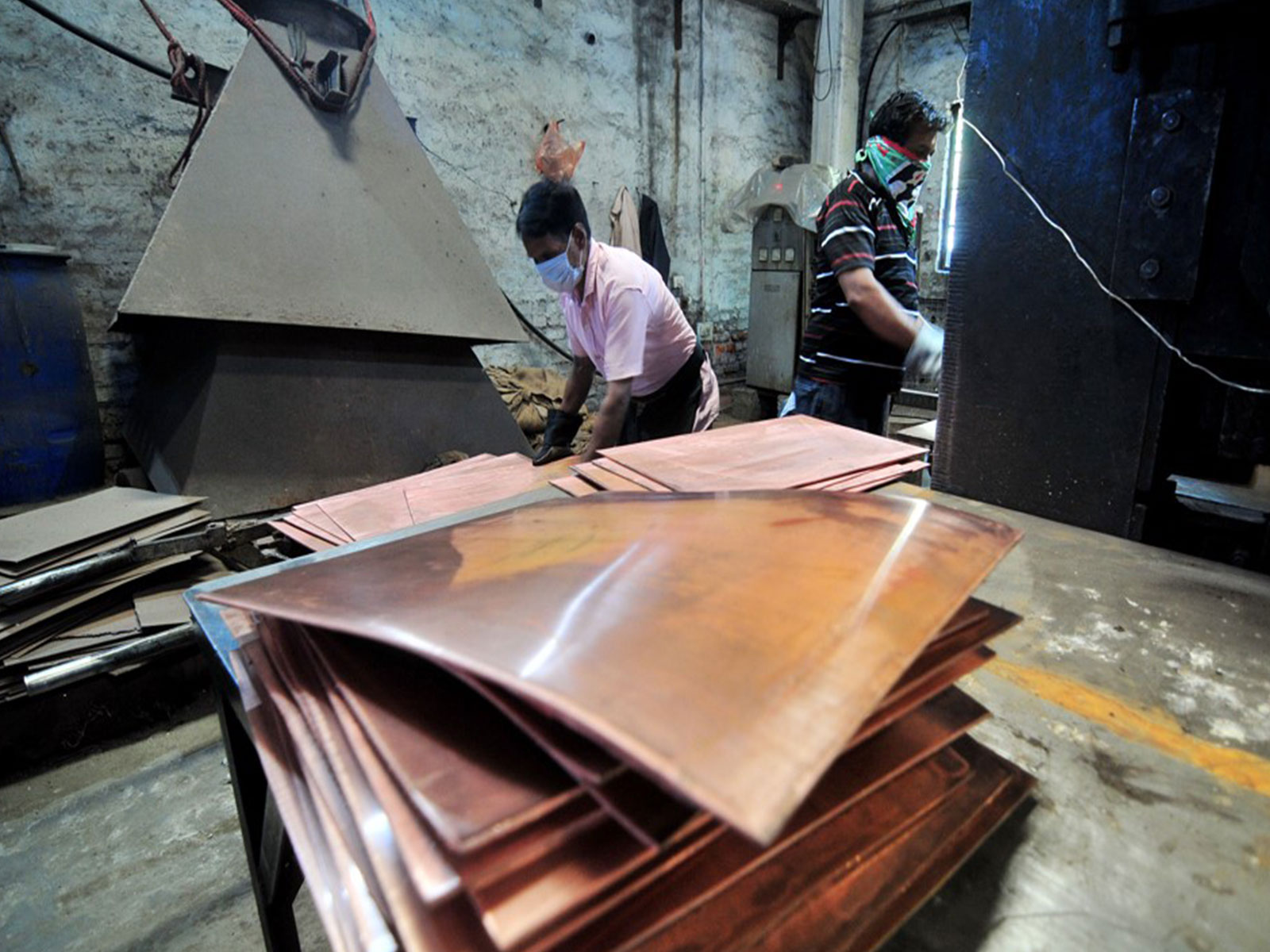
New Delhi [India], October 21 (ANI): Global copper supply faces a long-term structural constraint as declining discoveries, falling ore grades and rising development costs make new mines increasingly difficult to build, according to a report by Goldman Sachs Research, which expects the market to place greater value on existing producers and projects capable of adding future supply.
The report said the median copper mine now takes more than 16 years from discovery to first production. With output from existing mines expected to begin declining from 2030, higher prices alone may not bring significant additional supply within a typical investment horizon.
“Copper’s supply constraint is structural, not cyclical,” Goldman Sachs said, adding that “the adjustment has to come mainly through price, with the market gradually giving more value to copper companies and growth assets that are difficult, expensive, and time-consuming to replicate”.
The report said major copper discoveries have been declining since the 1990s, while ore grades have fallen, particularly in South America. New projects are also increasingly located in remote areas, raising construction, operating and capital costs.
Goldman Sachs estimates that average capital intensity rises by around 50 per cent between the pre-feasibility stage and the start of production, from USD 10,600 per tonne to USD 15,900 per tonne. It also noted that its estimated capital costs for the projects covered in the report are 25-90 per cent above company studies.
“A higher copper price today cannot deliver new metal for the better part of the next two decades,” the report said, noting that current investment decisions could influence supply in the 2040s.
Goldman Sachs also assessed a group of copper growth projects that could collectively add around USD 20 billion in net asset value and approximately one million tonnes per annum of additional production by late 2035.
To assess these projects, the firm applied a risk-adjusted valuation framework that accounts for development stage, potential cost increases, delays and the conversion of resources into reserves. Earlier-stage projects receive larger valuation discounts because their costs, timelines and recoverable reserves remain less certain.
The report further said the difficulty of developing new mines could lead investors to place greater value on established copper producers and credible expansion projects. However, the timing and scale of additional output will depend on project execution, investment decisions and the ability to manage rising development costs. (ANI)
Related reading