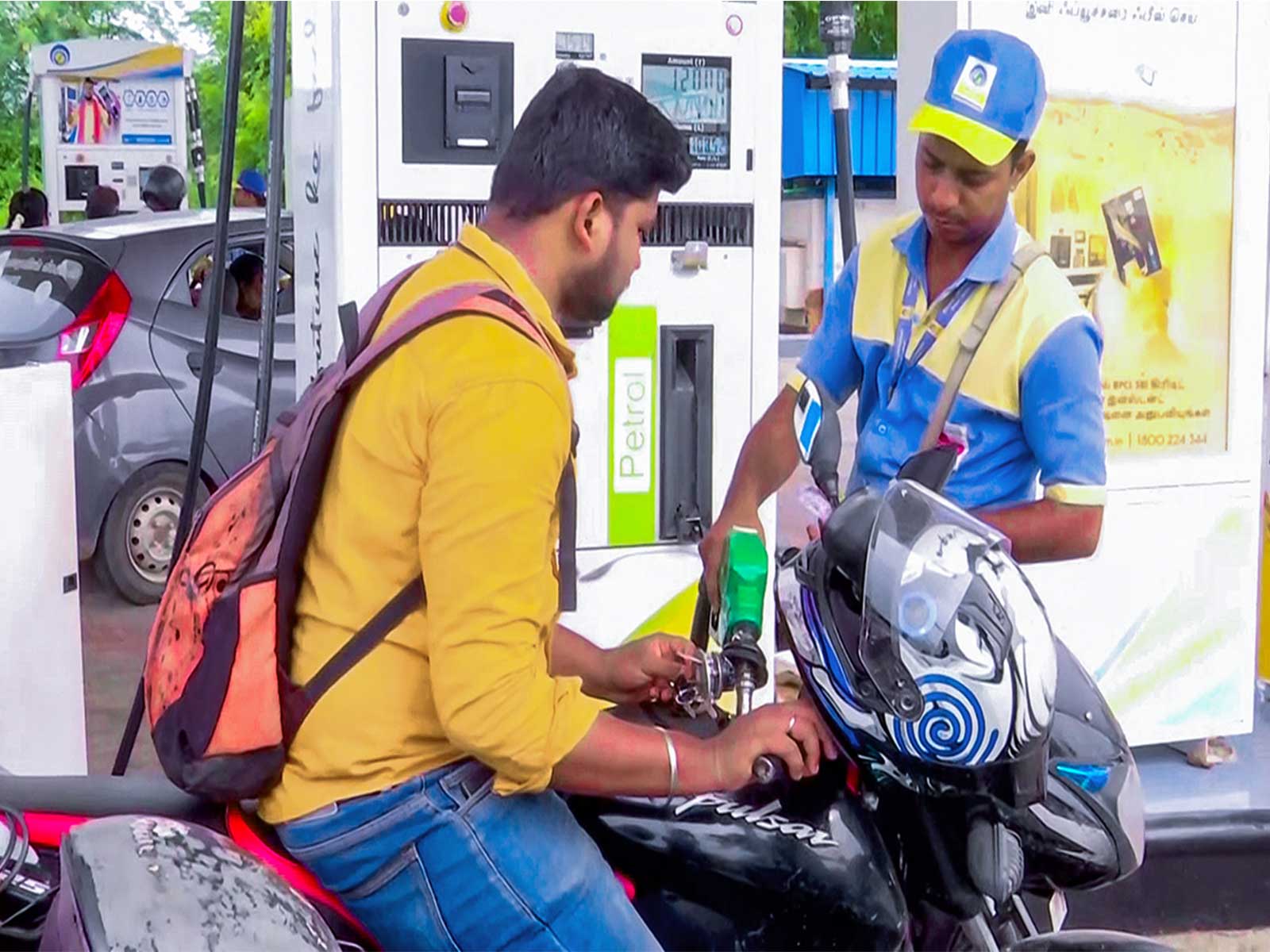
New Delhi [India], July 30 (ANI): The Ministry of Petroleum and Natural Gas on Thursday refuted what it termed as “misleading claims” regarding ethanol-blended petrol (E20), asserting that there is “no verified evidence of widespread engine damage” linked to the fuel following years of scientific vetting and real-world usage across crores of vehicles.
Addressing concerns raised on social media platforms, the ministry clarified that its conclusions stem from over 25 years of phased implementation, continuous field tracking, and exhaustive stakeholder consultations.
The Central Government said E15-plus petrol has been deployed for over three and a half years, while E19-E20 fuel has been in circulation for more than two and a half years and over 20 crore two-wheelers and more than 3 crore petrol cars have operated on these fuel blends successfully without verified systemic failures.
In a detailed clarification, the ministry said its conclusion is based on “over 25 years of phased implementation, extensive scientific validation, continuous field experience across crores of vehicles, manufacturer service records, stakeholder consultations, and ongoing quality monitoring.”
Responding to concerns over older vehicles, the ministry cited service data from a leading automobile manufacturer, which serviced 2.84 crore vehicles in FY2025-26, including around 1.5 crore vehicles that were not originally certified as E20-compatible, and found “no E20-linked corrosion, abnormal wear or reduction in component life.”
Similar positive field experiences were echoed by major two-wheeler and vehicle manufacturers.
The ministry also addressed concerns over fuel economy, saying any reduction in mileage for some older E10-designed vehicles is generally limited to 3-5 per cent, while factors such as driving habits, tyre pressure, traffic conditions and vehicle maintenance have a much greater impact. It added that E20 offers a higher octane rating, cleaner combustion and smoother engine performance.
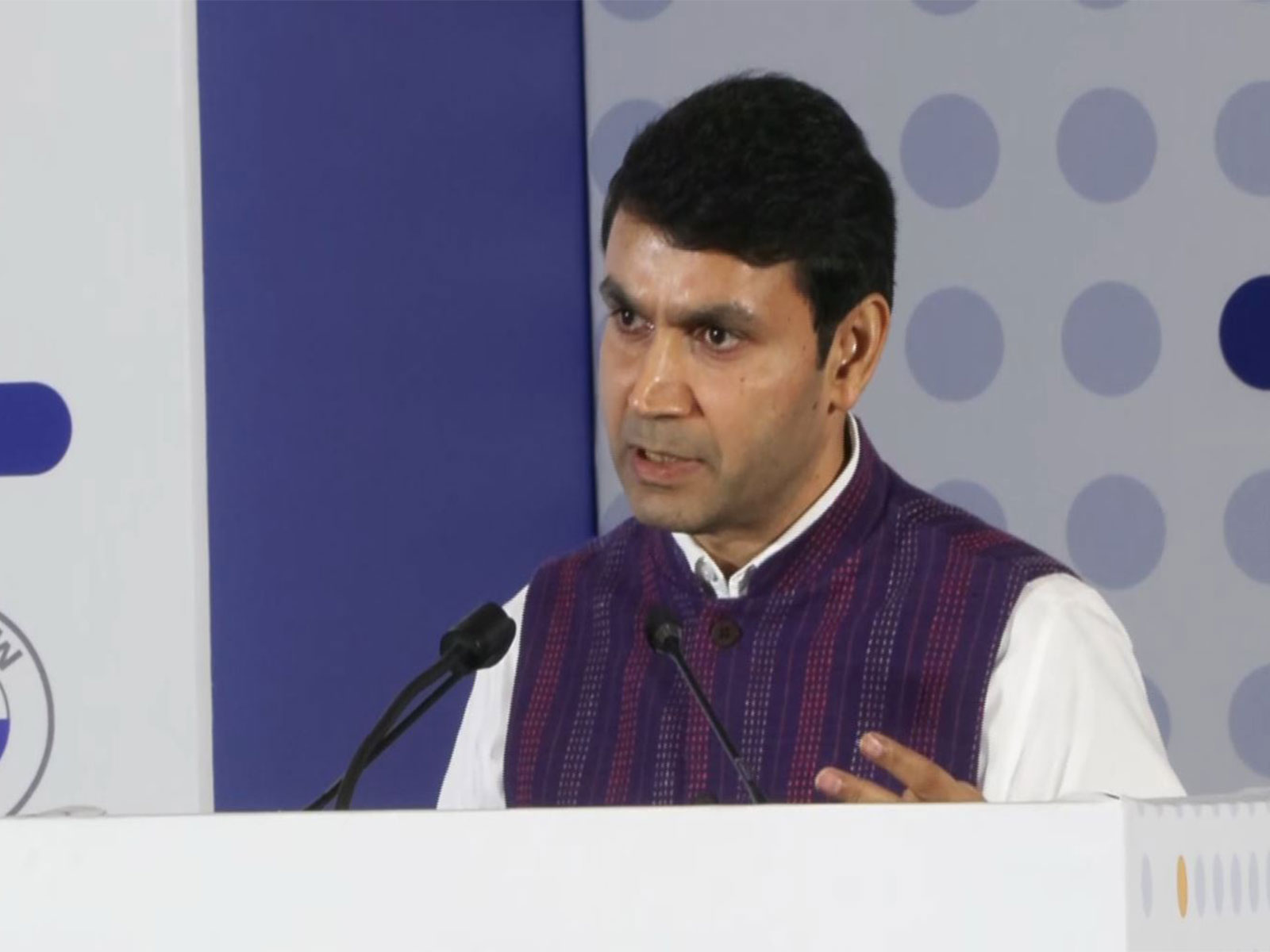
Speaking to ANI, Aniruddha Bhalchandra, Director, ICT, said many of the concerns being circulated on social media are not backed by scientific evidence.
“The social media campaign is based on half-truths and incorrect information… incomplete scientific understanding of the whole phenomenon,” he said.
Bhalchandra said ethanol’s lower calorific value may lead to a 3-4 per cent reduction in mileage, but added that this is a known property of the fuel and should not be mistaken for engine damage. He further said that regular servicing and timely replacement of ageing rubber components in older vehicles can help avoid such issues.
The ministry said higher ethanol blends were introduced only after consultations with automobile manufacturers, the Society of Indian Automobile Manufacturers (SIAM), the Automotive Research Association of India (ARAI), component manufacturers, testing agencies and oil marketing companies. It added that manufacturers continue to honour vehicle warranties, reflecting confidence in E20 fuel compatibility. (ANI)
Related reading