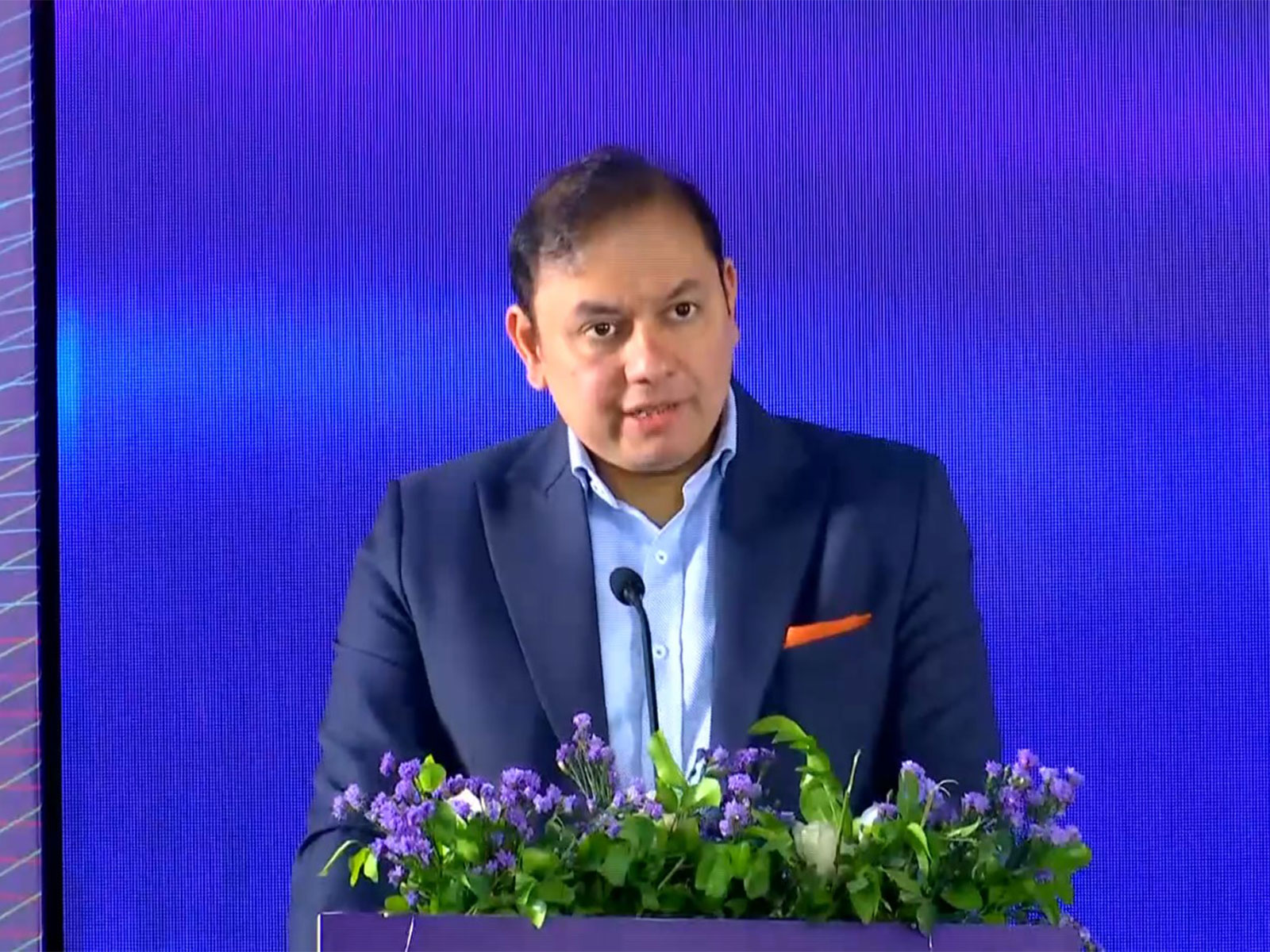
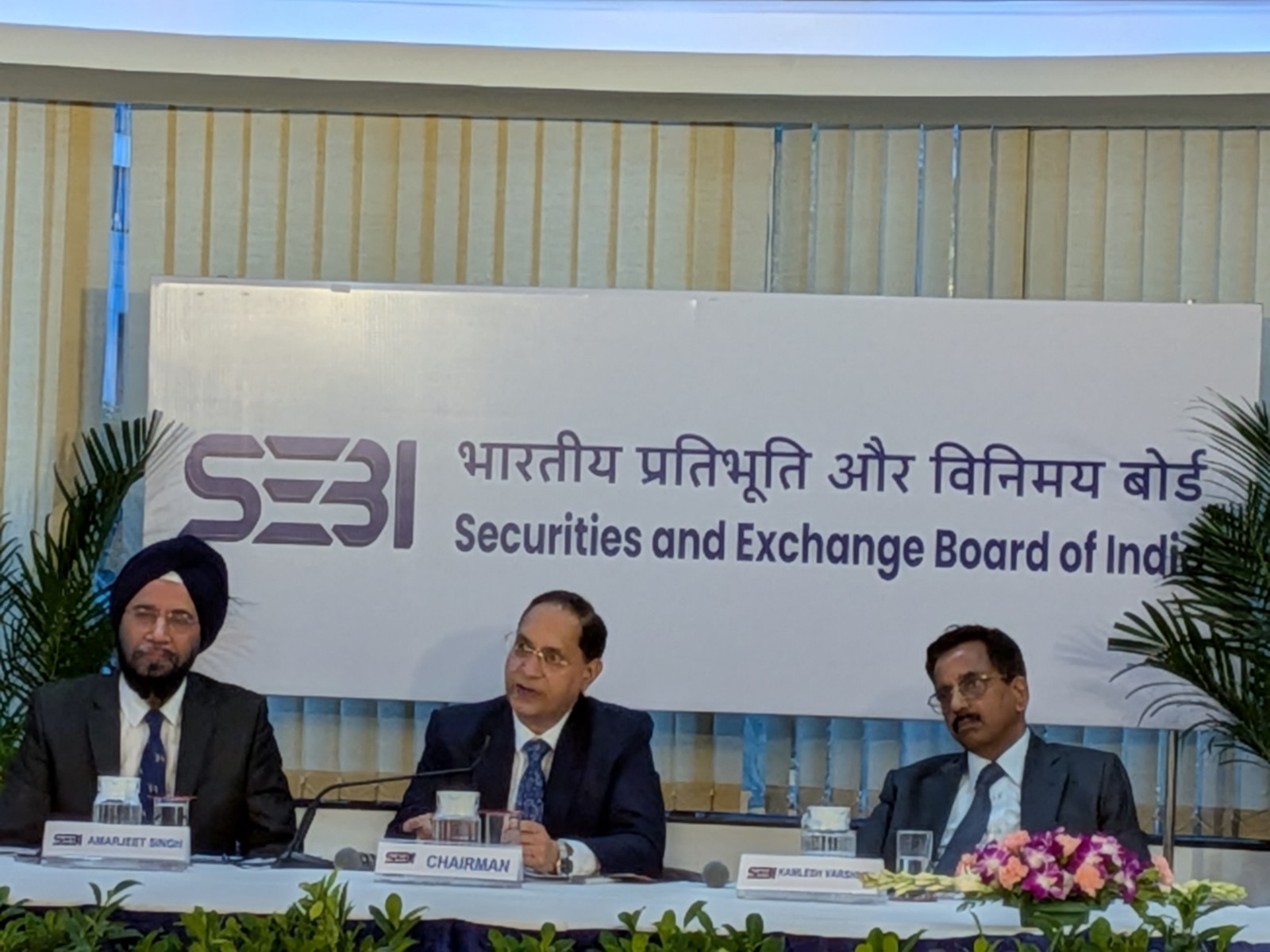
Mumbai[Maharashtra][India], June 19(ANI): SEBI Chairman Tuhin Kanta Pandey addressed the media during a press conference on the outcomes of the market regulator’s board meeting in Mumbai on Friday, where a primary focus of the briefing centered on mutual fund liquidity.
Responding to a question from ANI on how allowing mutual funds to use intraday borrowing for settlement mismatches would help manage daytime liquidity without introducing unwanted leverage, Pandey explained that the framework prevents speculative risks.
He stated, “That we have already said that whatever intraday borrowing you will do, there will be no square odds in it. If you need money in the morning, your money is coming in the evening, so the money coming in the morning is coming in the evening, in between that, if you need money in the morning, so if you don’t have borrowing, then from where will you get that money? So, by doing that borrowing, you will be able to repay that money in the evening. So, paying payout. So, the requirement of paying is of the morning, and the payment of payout is of the evening.”
The Chairman further clarified that while funds face cash demands from multiple avenues, such as market margins, they are mandated to square up before day-end.
“And if you are not able to square up, if you are not able to do zero, then it will convert into overnight borrowing. Now, overnight borrowing will not be able to take your leverage out of the regulatory limit. It will remain a reception. So, there will be cash management and leverage will also be controlled.”
Beyond mutual funds, Pandey detailed several structural changes approved by the Board. On the newly approved 66-day timeline for buy-backs, he explained that “66 working days, what you said is actually amounts to 3 months roughly… but it’s better to go for working days than to go for three months calendar days.”
He emphasized that freezing promoter shares at the ISIN level ensures preventive compliance, adding that “even the people whose accounts are frozen, because they feel, yeah that’s good, even by mistake I cannot trade in that share.”
Regarding investor protection in long-term corporate investigations, Pandey remarked that protection comes through multiple avenues like market responses and disclosures, cautioning that “very quickly going without doing an adequate, giving a chance to the companies, that’s also not fair… It cuts both ways.”
Addressing the massive pipeline of filings, including queries regarding the NSE IPO, Pandey maintained that SEBI utilizes a fast-track process, dedicating extra resources to handle due diligence “within a reasonable time” without compromising quality.
For asset transmission under the Quick Transmission Processing (QTP) category, he discussed standardizing requirements across RTAs through Stage 2 Processing (STP) while balancing safety constraints for high-value cases.
On bond tokenization and municipal bonds, Pandey estimated that tokenization pilots would take “6 to 9 months” to align technology, while municipal bonds could leverage pooled vehicles to help smaller urban bodies cross nascent market thresholds.
Finally, on the derivative market, he announced an active analytical study evaluating trading impacts. “We expect to release it in June,” Pandey concluded, promising that “it will give you a lot of things to write about.” (ANI)
Related reading