VMPL
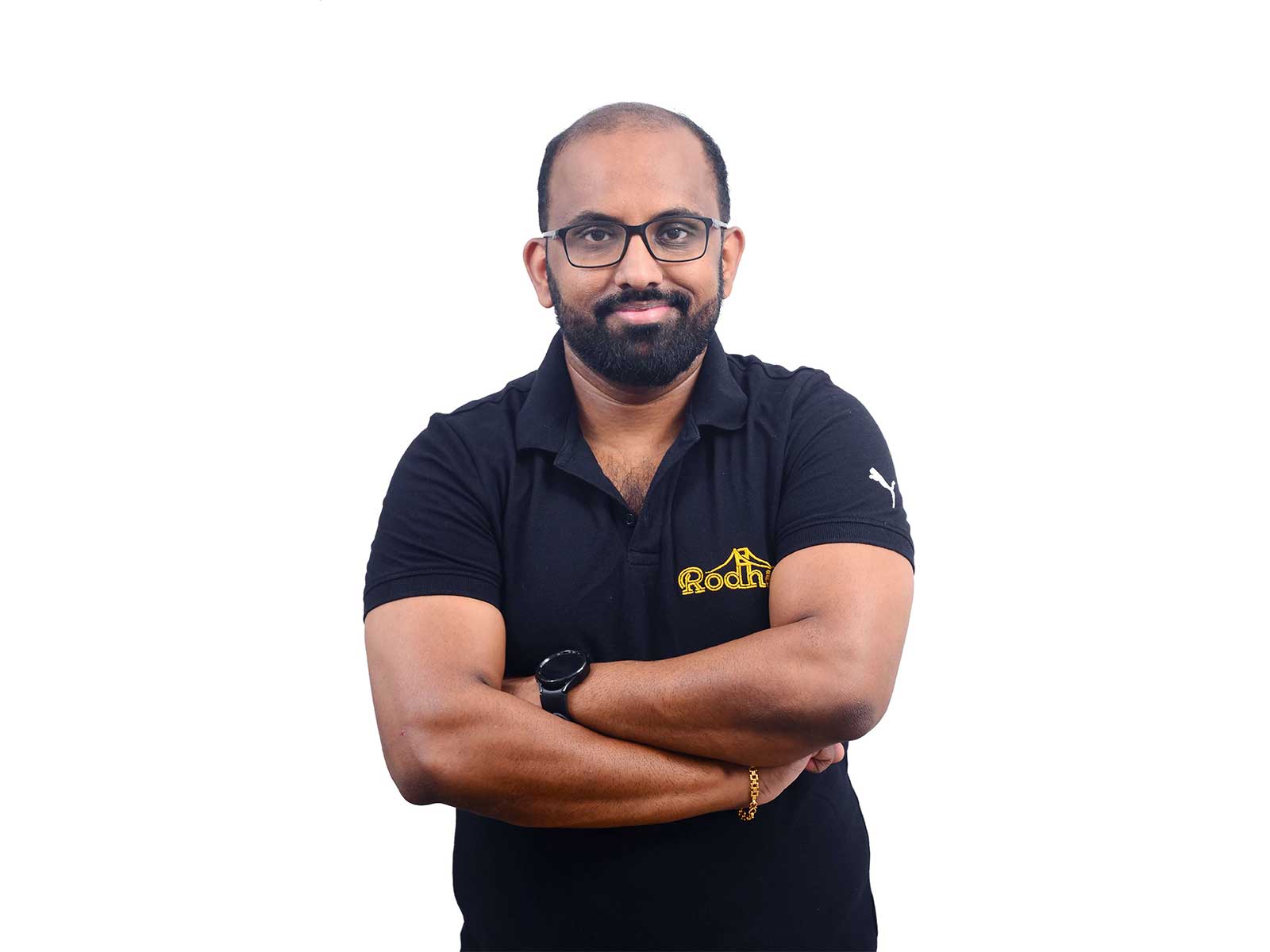
New Delhi [India], September 25: CAT preparation has traditionally been viewed through the lens of scores, percentiles and B-school admissions. However, Rodha , under the leadership of Founder & CEO Ravi Prakash , is taking a broader approach—using CAT preparation as a platform to develop problem-solving, decision-making and structured thinking skills that extend well beyond the examination.
Reflecting on his own journey, Ravi Prakash recalls scoring just 6–7 correct answers out of 30 questions in his first CAT faculty test. After five to six months of focused preparation, he returned to answer 24 out of 30 correctly. The experience shaped a philosophy that continues to influence Rodha’s approach to CAT preparation.
“Your score is always a lagging indicator. The difference lies in the way you think and prioritise.” — Ravi Prakash, Founder & CEO, Rodha
At its core, CAT preparation demands much more than subject knowledge. Aspirants need to evaluate options quickly, determine which questions deserve their time, make decisions under pressure and remain composed when an approach does not work. Rodha’s academic model is designed around developing these capabilities through consistent practice, feedback and reflection.
Rodha’s CAT programme includes 30 full-length mocks, 105 sectional tests and more than 10,000 practice questions . However, the emphasis is not simply on the volume of questions attempted.
Students are encouraged to analyse their performance after every test—not only identifying questions they answered incorrectly, but also examining questions they attempted unnecessarily or left too early. This process helps students develop the habit of critically evaluating their own decisions and understanding how they approach problems.
The same philosophy extends to Rodha Buddy , Rodha’s doubt-resolution system. Students can raise doubts through text, images, audio or video, with each query tracked through resolution instead of getting lost in a conventional chat thread.
The process encourages students to identify and articulate gaps in their understanding—an ability that becomes increasingly relevant beyond academics, particularly when professionals need to communicate a problem clearly before finding a solution.
For many aspirants, CAT preparation can appear to be a linear journey: prepare, score well and secure admission to a B-school. Rodha’s approach places greater emphasis on viewing preparation as a learning process.
“Most of the aspirants that I come across are those who see CAT preparation as one linear task—score well, and you will secure admission into a B-school. I appreciate the thought process behind it since it is such a crucial test in one’s immediate future. However, it is generally seen that the ones who succeed in the test and thereafter are those who take preparation as a learning process.” — Ravi Prakash, Founder & CEO, Rodha
Through this approach, aspirants can develop skills such as time management, decision-making with limited information, structured problem-solving and the ability to improve through deliberate practice .
This philosophy also extends to Rodha’s GDPI preparation platform , which combines an AI mentor with human mentors from leading B-schools. The objective is to help candidates prepare for interviews through clear thinking and practice rather than relying solely on memorised responses.
Business schools and professional environments often require individuals to prioritise competing demands, communicate problems clearly and make sound decisions despite incomplete information or time constraints.
These are the same capabilities that a well-structured CAT preparation process can help develop.
For Ravi Prakash, this philosophy is rooted in personal experience. His own journey—from struggling with a faculty test to significantly improving his performance through focused preparation—became an important foundation for how he approaches education at Rodha.
“Your Bridge to Success” is therefore more than just Rodha’s tagline. It reflects the company’s broader approach to education—combining practice, mentorship and honest feedback to help students build capabilities that extend beyond a single examination.
Ultimately, the objective is not only to help aspirants pursue a strong CAT percentile, but also to help them develop a way of thinking that can remain relevant long after the examination is over.
For more details:- https://www.rodha.co.in/
(ADVERTORIAL DISCLAIMER: The above press release has been provided by VMPL. ANI will not be responsible in any way for the content of the same.)
Related reading