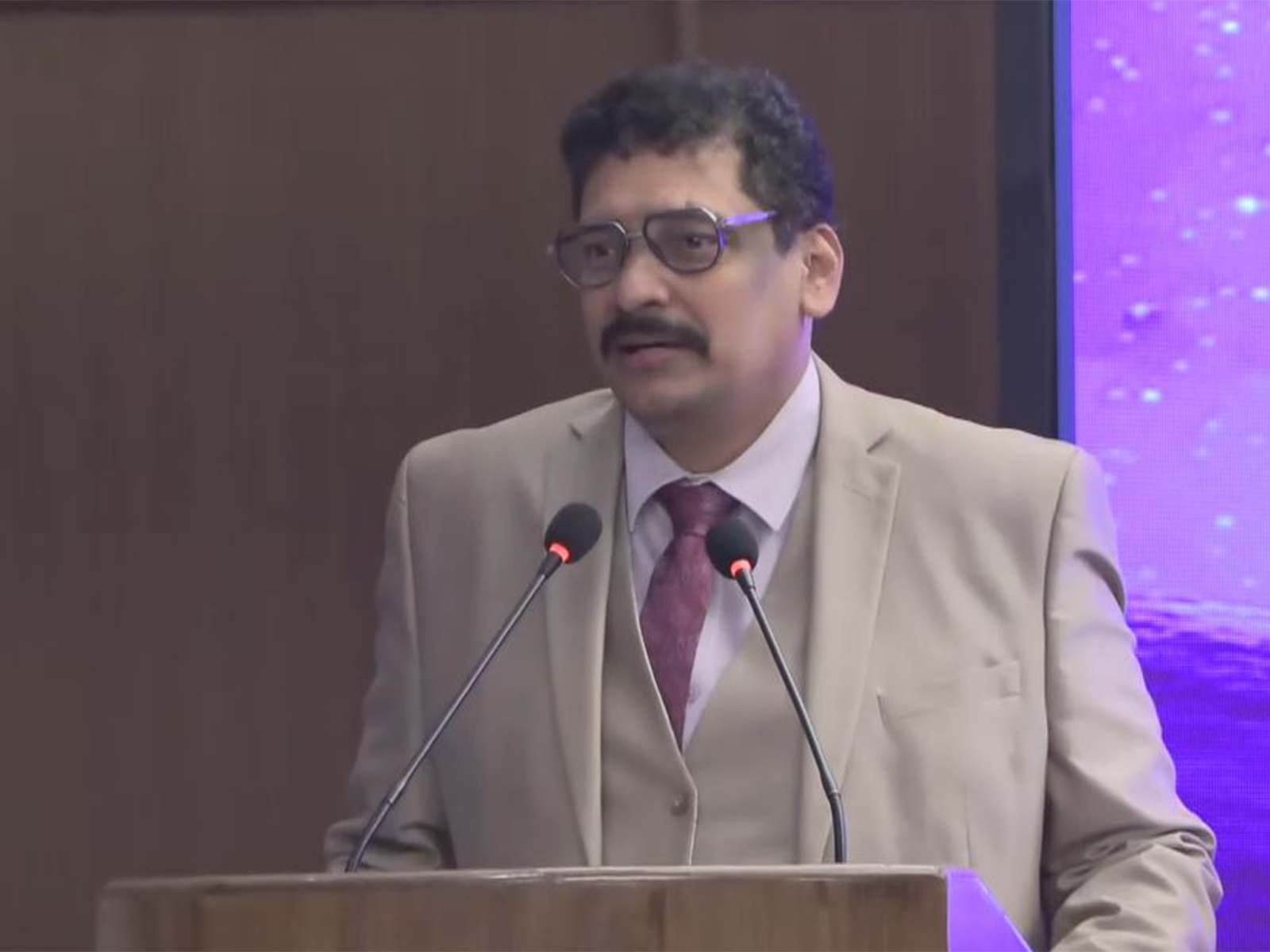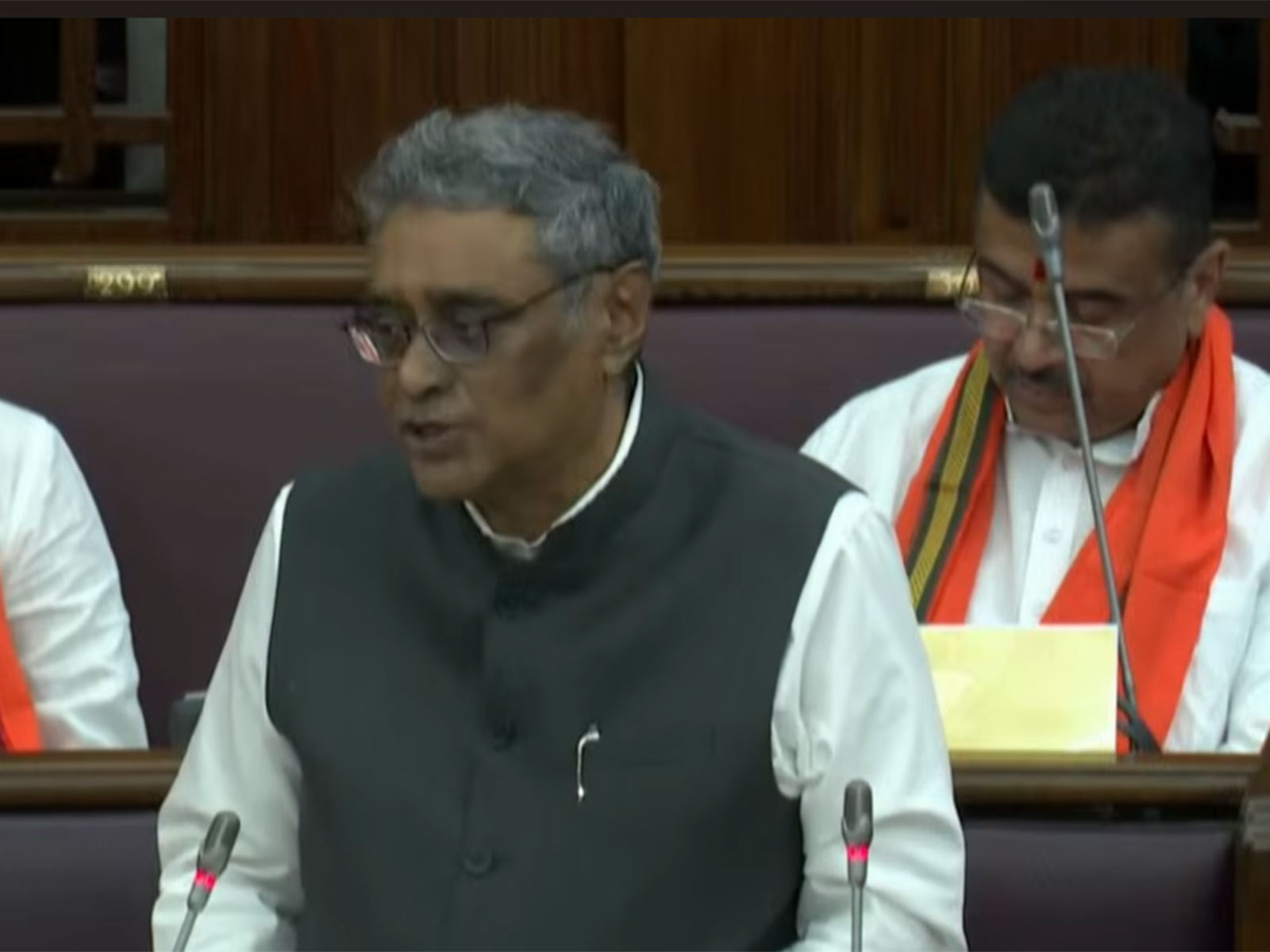
New Delhi [India], June 22 (ANI): West Bengal Finance Minister Swapandas Dasgupta presented his first budget on Monday, placing the state’s debt burden at the centre of the fiscal plan while earmarking the highest allocation for Panchayats and Rural Development, followed by Education. The Minister also announced the creation of one lakh new jobs, a Dearness allowance hike for state employees, and additional support for farmers.
Dasgupta began his budget speech by underlining the liability inherited from the previous government. “West Bengal government has inherited debt of Rs 8.16 lakh crore. This inherited debt limits our fiscal space and makes prudent financial management non-negotiable,” the minister told the assembly. He said the administration would follow a fiscal consolidation roadmap to bring discipline to borrowings while protecting welfare and capital spending. “We cannot build a new Bengal without first acknowledging the debt we have inherited. Every rupee spent will now be judged against its long-term impact,” Dasgupta added. The minister said consolidation would be pursued through higher revenue buoyancy, better utilisation of central schemes, and efficiency in expenditure, without cutting essential services.
Reflecting the government’s rural focus, Dasgupta announced that the highest allocation of Rs 51,836.55 crores in the budget goes to the Panchayats and Rural Development sector, out of the Rs 4.39 lakh crore budget allocation for the Financial Year 2026-27.
“The highest allocation in the budget goes to the Panchayats and RURAL development sector because that is where our people live, work and dream. Strengthening panchayats is strengthening Bengal,” he said. The allocation will fund rural roads, drinking water, housing, MGNREGA works, and water conservation projects. Dasgupta also announced expansion of water conservation and irrigation infrastructure to improve farm incomes and climate resilience. He linked the thrust to statewide implementation of PM Fasal Bima Yojana covering 16 crops from Kharif 2026, saying insurance coverage combined with better water management would reduce risk for small and marginal farmers.
School education was placed second in the priority list with an allocation of Rs. 44,948.21 crores. “Education takes the second position in our budgetary allocations. We are investing in classrooms today so that Bengal leads tomorrow,” Dasgupta said. The minister emphasised that funds would go toward upgrading school and college infrastructure, expanding digital classrooms, and improving teacher training.
To address staffing shortages, Dasgupta announced that 50,000 positions will be filled in schools, colleges and universities, including teaching and non-teaching staff. “Our children deserve teachers in every classroom and facilities that match global standards. This recruitment drive is a step in that direction,” he said.
The budget’s employment package formed a major pillar. Dasgupta announced that the state will create 1 lakh jobs across departments as part of its fiscal consolidation roadmap. “We are announcing 1 lakh jobs to strengthen public service delivery and give our youth a stake in Bengal’s growth,” the minister said. Of these, 20,000 posts will be in the police force to improve law and order and 1,000 vacancies will be filled in the Eastern Frontier Rifles.
The remaining posts will be distributed across various government departments based on requirement. In a major announcement for state employees, Dasgupta proposed an additional 20 per cent Dearness Allowance over the existing 18 per cent, taking total DA to 38 per cent from October 1, 2026. “Our employees have served Bengal with dedication through every crisis. The enhanced DA is recognition of that commitment,” he said. Pensioners will receive a corresponding increase in Dearness Relief.
Women welfare emerged as a key theme of the budget. Dasgupta announced Rs 3000 per month to women between the age of 25-60 years as financial assistance. “Women are the backbone of our households and our economy. This monthly support of Rs 3,000 for women aged 25-60 will enhance their financial independence and decision-making power,” the Minister said.
He said the scheme would be implemented through direct benefit transfer and would complement existing programmes for nutrition, skill development and self-help groups. “When we empower women financially, we empower entire families. This is an investment in Bengal’s future,” Dasgupta added.
For the farm sector, the budget announced additional annual assistance of Rs 3,000 per farmer family, over and above the Rs 6,000 provided under the Centre’s PM-KISAN scheme. Dasgupta also proposed Rs 2 per unit electricity subsidy for agricultural irrigation pumps.
“Farmers are facing rising input costs. The extra Rs 3,000 per family and the power subsidy for irrigation pumps will ease that burden,” he said.
The minister said the government would expand water conservation and irrigation infrastructure and ensure full coverage under PM Fasal Bima Yojana from Kharif 2026 for 16 crops. (ANI)
Related reading