New Delhi [India], May 21 (ANI): The upcoming Fourth India-Africa Forum Summit, which was scheduled to take place in New Delhi next week, has been postponed due to the Ebola outbreak in Africa, the Ministry of External Affairs said on Thursday.
The critical diplomatic gathering was deferred following detailed deliberations convened between Indian administrative authorities, the Chairperson of the African Union, and the African Union Commission to evaluate the feasibility of hosting the high-profile assembly and its ancillary events under current conditions.
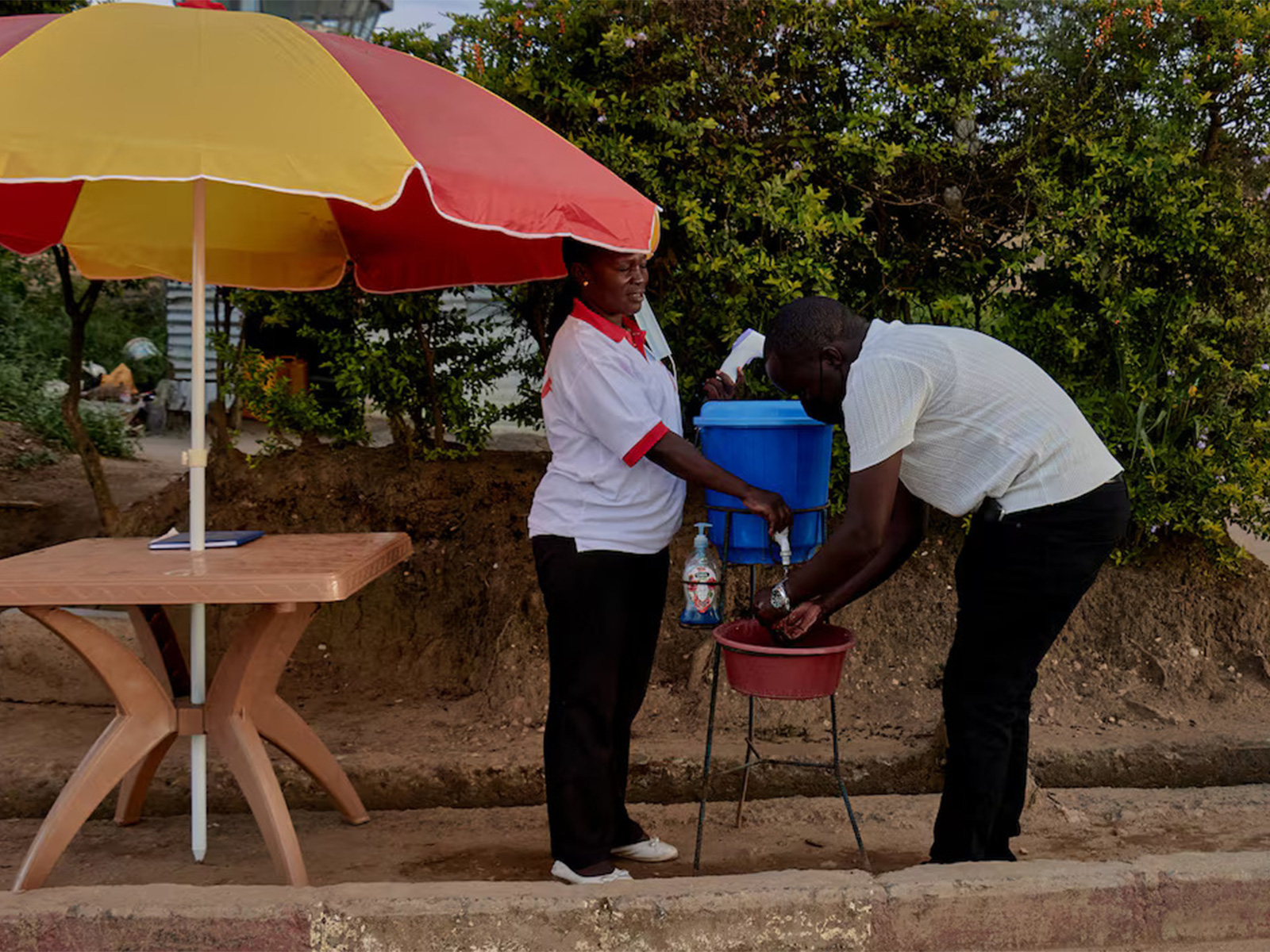
According to an official communique released by the Ministry of External Affairs (MEA), the Government of India and the African Union exchanged views on the evolving health situation in parts of Africa and reaffirmed the importance of continued cooperation in strengthening public health preparedness and response capacities across the continent, including through support to Africa CDC and relevant national institutions.
In light of the unfolding medical emergency, New Delhi has re-emphasised its unwavering alignment with African populations and their respective administrations. Furthermore, India has voiced its complete preparedness to provide material and strategic assistance to operations spearheaded by the Africa CDC, ensuring all actions remain perfectly aligned with the shared commitment to an Africa-led response.
The scheduling of fresh timelines for the multilateral conference and its supplementary conventions remains under review. The MEA indicated that the new dates for the Summit and its associated meetings will be finalised through mutual consultations and communicated in due course.
Underscoring the deep historical and diplomatic ties that tie the two regions together despite the temporary delay, the official document emphasised a mutual dedication to joint advancement. “India and Africa reaffirmed their longstanding partnership founded on solidarity, mutual respect, South-South cooperation, and a shared commitment to peace, development, prosperity, and the well-being of their peoples,” read the statement.
This major diplomatic decision comes as global attention has once again shifted to Ebola following the World Health Organisation’s decision to designate the escalating crisis across Congo and Uganda as a Public Health Emergency of International Concern (PHEIC).
The necessity for such international caution is heightened by the fact that, far from being a monolith, the Ebola virus manifests through distinct viral strains, each possessing unique characteristics regarding its lethality, how rapidly it spreads, and its vulnerability to medical interventions.
Driving this specific health crisis is the Bundibugyo variant, a less common iteration of the pathogen that historically emerges far less often than the notoriously virulent Zaire strain, which fueled the catastrophic West African epidemic from 2014 to 2016. (ANI)
Related reading