VMPL
New Delhi [India], November 23: At Culture. Media. Digital, the French filmmaker shared advice for aspiring directors, longevity expert Peter Attia discussed the foundations of healthy ageing, and Akcent founder Adrian Sînă explored the future of music in the age of artificial intelligence.
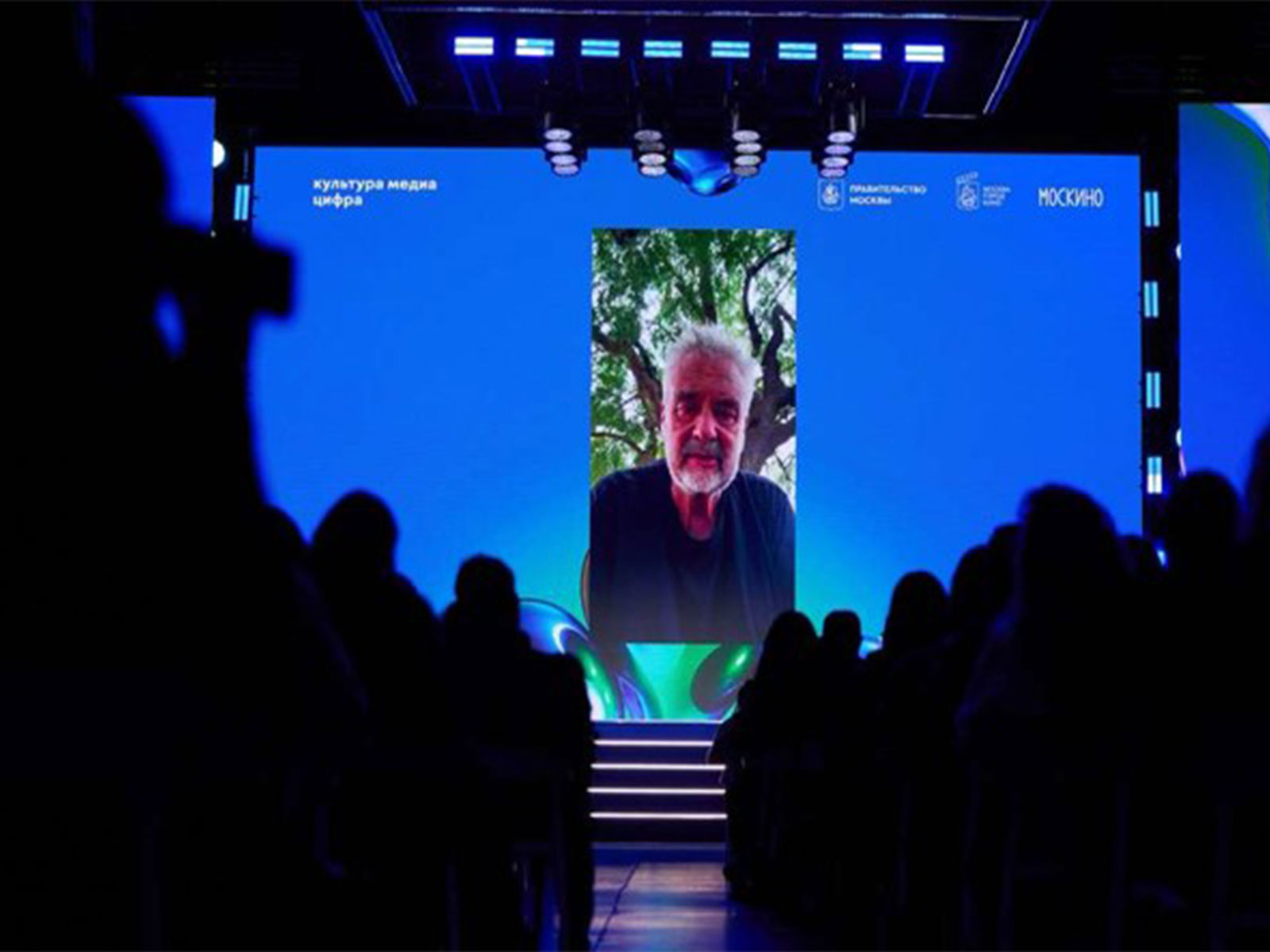
French filmmaker Luc Besson urged aspiring directors to start making films using accessible technology rather than waiting for funding or support from major studios. The director of Léon: The Professional and The Fifth Element shared his advice on November 19 at the international event Culture. Media. Digital in Moscow. Other first-day headliners included physician and bestselling author of Outlive: The Science and Art of Longevity Peter Attia and Akcent founder Adrian Sînă. The event also explored the rise of autonomous AI agents, declining social media engagement and opportunities for bringing creative content to international audiences.
One of the day’s highlights was a conversation between Besson and actress and director Anna Tsukanova-Kott. The French filmmaker encouraged young creators not to wait for the perfect moment, backing from a major studio or a substantial budget before pursuing their projects. According to Besson, a smartphone and a computer are now enough to shoot a film, edit footage, add music and share the finished work with audiences online.
“The most important thing is to have talent and something to say through your work,” Besson emphasised.
The director admitted that he would love to be 17 again, but with access to the technologies that were unavailable when he began his career. In his view, today’s digital tools offer young filmmakers greater freedom to experiment and bring their ideas to life at minimal cost.
Peter Attia, MD, a physician and bestselling author of Outlive: The Science and Art of Longevity, discussed why technology cannot replace the fundamental principles of good health. He advised against chasing the latest health gadgets or attempting to adopt every healthy habit at once. Instead, he encouraged people to focus on sustainable lifestyle changes that suit their individual needs. Attia highlighted adequate sleep, mental well-being and stress management as essential elements of maintaining long-term health and promoting healthy ageing.
The scientific prospects of extending human life were also explored during a session dedicated to physical and digital immortality. Molecular biologist and professor Konstantin Severinov noted that public expectations often outpace actual scientific progress. Despite extensive research, there is still no single theory that fully explains all the mechanisms of ageing. Existing scientific hypotheses have also yet to produce a universal solution capable of substantially extending the maximum human lifespan. The discussion highlighted the importance of healthy lifestyles and preventing common diseases as practical ways to support healthy longevity.
The growing role of artificial intelligence in the creative industries was another major theme of the opening day. Brazilian filmmaker Odair Faleco, who specialises in AI-assisted filmmaking, discussed the development of autonomous AI agents. He suggested that users will increasingly be able to delegate tasks to AI systems without having to configure them manually, simply by describing a task or demonstrating the steps involved.
“Now, all you need to do is explain a task to an AI agent or show it on the screen how to perform it. After that, it can work for you 24 hours a day,” Faleco said.
The limits of artificial intelligence in music were addressed by Adrian Sînă, founder and lead vocalist of the Romanian music project Akcent. The musician praised the quality of an AI-generated version of a song presented during the discussion but stressed that technology cannot fully replace human creativity.
“I don’t believe AI can put heart and soul into creating a song. Audiences will always respect the artist, real vocals and genuine human work,” Sînă said.
The artist also discussed how older songs can return to the charts years after their original release. According to Sînă, videos created by social media influencers often spark renewed interest in established hits. He encouraged musicians to collaborate more actively with Russian influencers, while acknowledging that not every song gets a second life.
Culture. Media. Digital took place on November 19–20, 2026, at Moskino Film Factory in Moscow, a venue operating under the Moscow Department of Culture. The international event brought together professionals from the media, technology, arts, film and digital content industries. Its programme featured more than 40 sessions with over 180 speakers from 16 countries, covering artificial intelligence, content production, biotechnology and the development of the creative industries.
(ADVERTORIAL DISCLAIMER: The above press release has been provided by VMPL. ANI will not be responsible in any way for the content of the same.)
Related reading