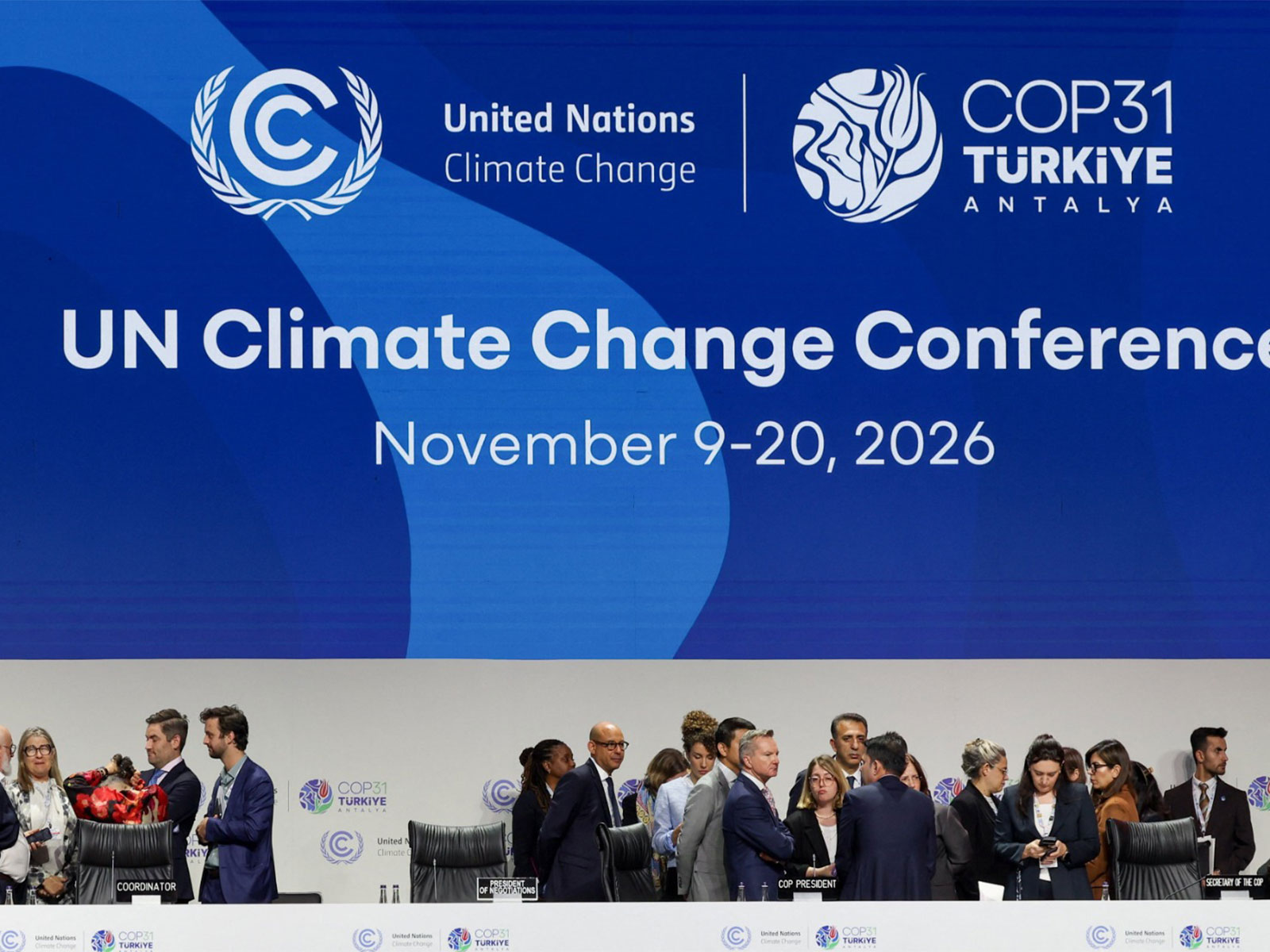
Antalya [Türkiye], November 22 (ANI): India, speaking on behalf of the Like-Minded Developing Countries (LMDC), on Sunday flagged concerns over the lack of adequate reflection of equity and the principle of Common But Differentiated Responsibilities and Respective Capabilities (CBDR-RC) in the negotiated text at COP31, as the climate summit concluded in Antalya, Türkiye, without a final climate pact following disagreements over fossil fuel language.
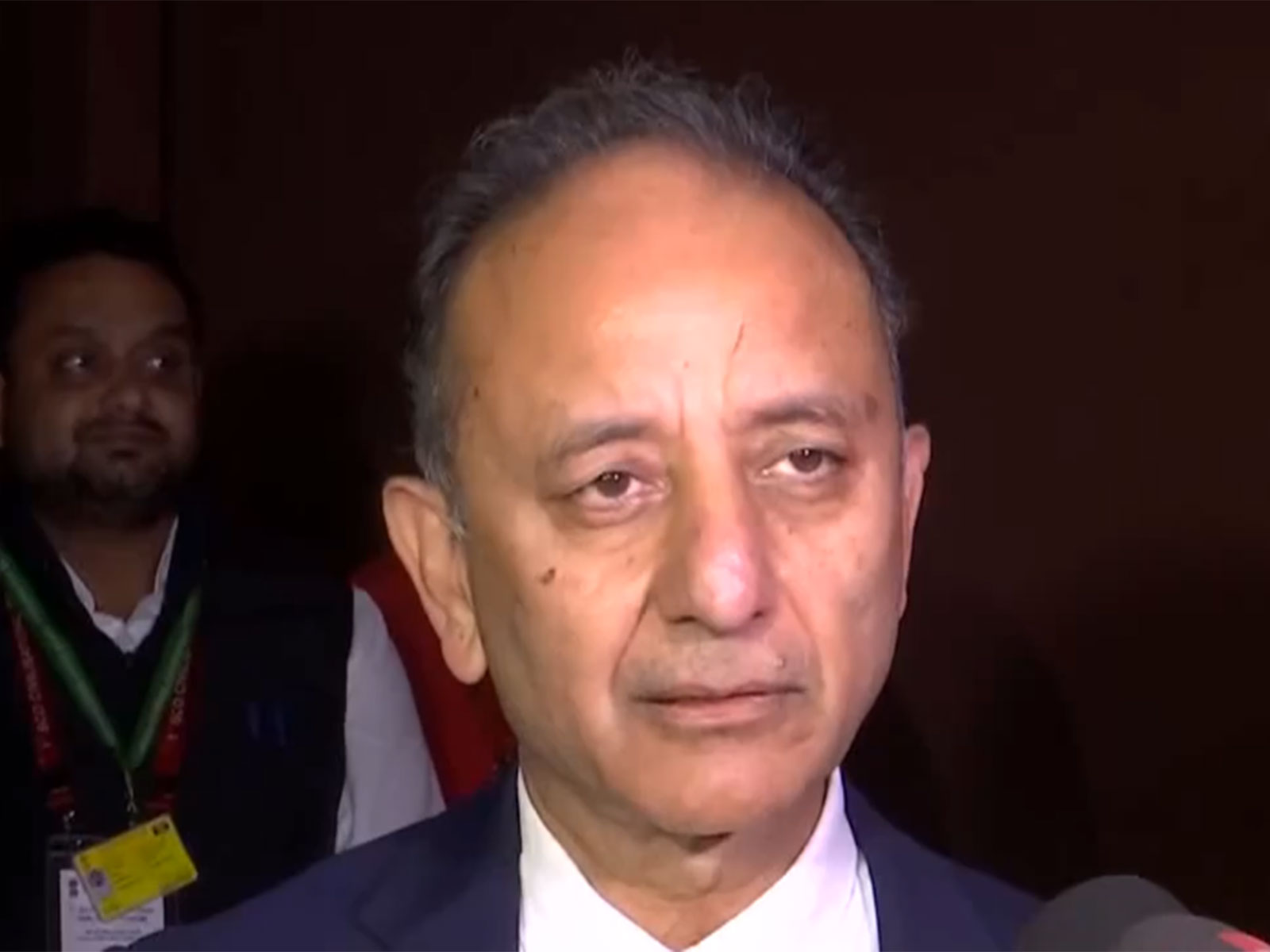
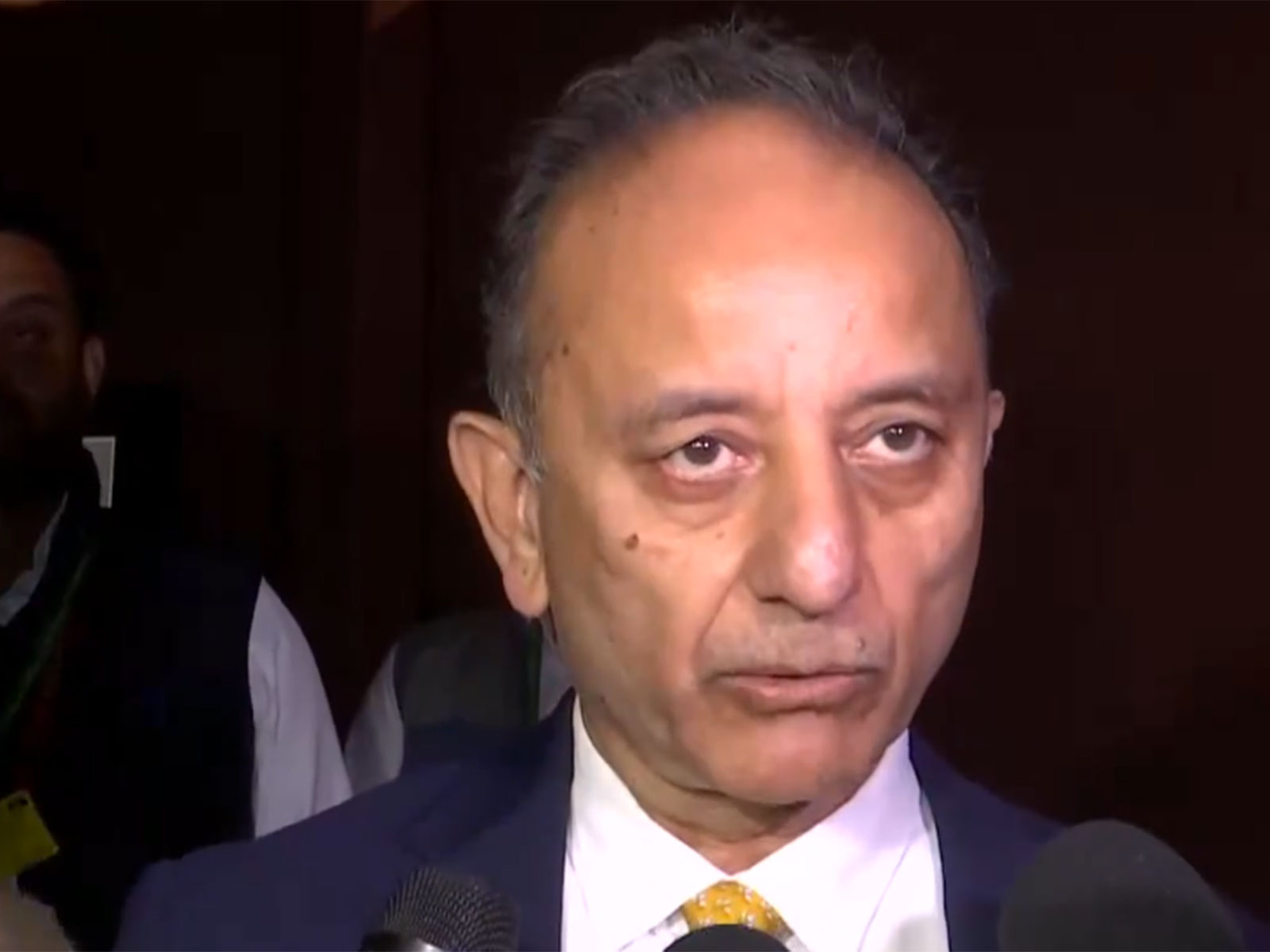
Amandeep Garg, Additional Secretary in the Ministry of Environment, Forest and Climate Change, raised concerns during the closing plenary, pointing to the dilution of historical responsibility and the obligations of developed countries in the negotiated text.
Speaking on behalf of the LMDC, Garg appreciated the efforts of the COP31 Presidency in bringing countries together but highlighted the challenges faced during the two weeks of negotiations.
“At the outset, we appreciate the efforts of the Presidency in trying to build consensus and bringing us all here together. I would like to say that we have been engaging constructively and tirelessly over the past two weeks, along with you, your team and our partners,” Garg said.
Describing the negotiations as a tiring process, he said that despite reservations over certain elements of the text, developing countries continued to engage constructively, even as discussions extended beyond the scheduled conclusion.
“This has been a tiring process for all of us. There are some elements of this text that we are not comfortable with, but we continue to engage even at this late stage of the process. We are also acutely aware that it has taken away our attention from the mandated items of the agenda which we had to deliver,” he said.
Flagging concerns over the negotiated text, Garg said the principles of equity and CBDR-RC had not been adequately reflected, particularly in paragraphs introducing new global targets.
“We had expressed our concern about the principles of equity and CBDR-RC not being adequately reflected, particularly in the paragraphs that introduce new global targets. We had also expressed our concerns about the dilution of historical responsibility and obligations of the developed country parties in the text. At the threshold of crossing 1.5 degrees centigrade warming, we had raised a fundamental point,” he said.
Questioning the treatment of historical emissions and climate responsibilities, Garg said the final text failed to adequately connect responsibility for emissions with the growing threat of exceeding the 1.5-degree Celsius warming threshold.
“We need to reflect why we are here. Whose emissions, both past and continuing, have exhausted the carbon budget? The cover decision does not reflect this and only repeats agreed paragraphs from previous decisions to reflect responsibility and does not connect this with the imminent prospect of exceeding 1.5 degrees centigrade,” he said.
The Indian representative also raised concerns over the lack of engagement on climate finance, stating that developing countries had been told not to expect developed country partners to engage on the issue.
“On top of this, our partners have refused to engage on the issue of climate finance across different negotiating rooms. In fact, we were told that despite the needs of developing countries, due to a problem that we have not caused, we should not expect our developed country partners to even engage on the issue of climate finance since it is dead in the water,” Garg said.
However, acknowledging the prolonged negotiations and the need for a collective response to climate change, he called on countries to set aside their differences and move forward.
“Nevertheless, Mr President, we recognise that we are no longer in the first week of negotiations but are in fact two days beyond the scheduled end. We must therefore find flexibility to put aside the differences and come together to address a problem that requires a global solution,” he added.
Reaffirming India’s commitment to multilateralism and consensus-based negotiations, Garg said the country remained willing to engage despite its concerns over the outcome.
“Everyone has worked tirelessly, and despite our discomfort, we are willing to move forward and to continue to engage. A constructive approach going forward would be to respect the work we have done and move forward. We are committed to multilateralism and the principles of consensus, and we invite our partners to join us as well,” he said.
COP31 concluded on Sunday without a final climate pact after negotiators failed to overcome divisions over fossil fuel language, bringing two weeks of discussions and two additional days of negotiations to a close.
Several countries formally objected to the final text, arguing that it weakened previous commitments and failed to address the urgency of the climate crisis.
Reacting to the outcome, UN Secretary-General António Guterres said he was “deeply disappointed” that governments meeting in Antalya, Türkiye, had failed to reach consensus, while stressing that the outcome did not change the realities of the climate crisis. (ANI)
Related reading