Washington DC [US], November 16 (ANI): US President Donald Trump is set to depart Washington early Monday for a high-stakes diplomatic tour of the Philippines and China that will test his administration’s balancing act between traditional Indo-Pacific allies and major geopolitical rivals.
As per White House Assistant Press Secretary Olivia Wales, the trip includes a Quad leaders’ summit in Manila on Tuesday, Nov. 17, followed by a first-ever trilateral meeting with Chinese President Xi Jinping and Russian President Vladimir Putin in Shenzhen on Thursday, November 19.
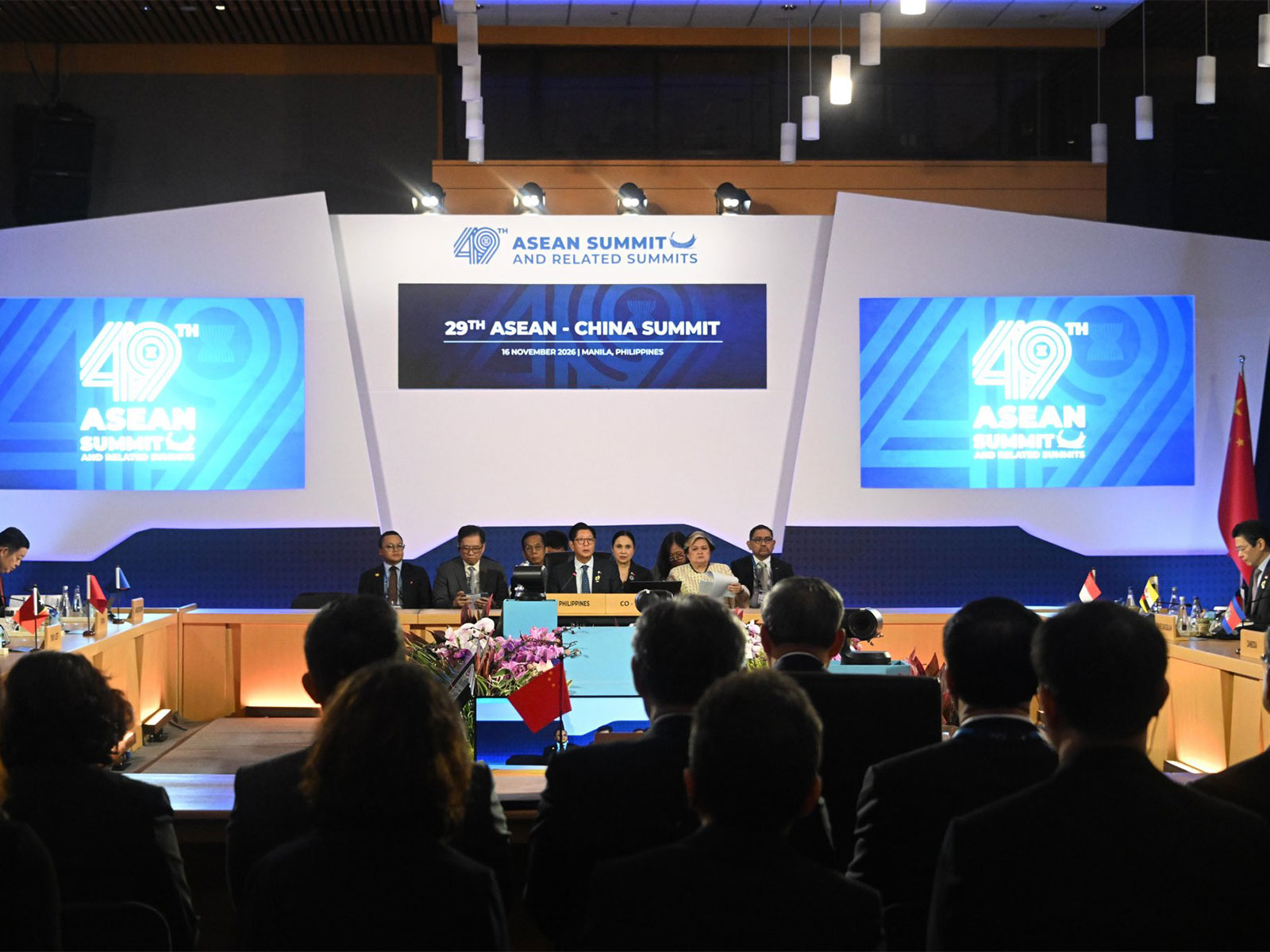
Trump is due to arrive in Manila on Tuesday evening local time to meet the leaders of India, Japan and Australia on the sidelines of the ASEAN summit.
It will be the first Quad leaders’ summit in two years — since the September 2024 meeting in Wilmington, Delaware, under former President Joe Biden — and the first of Trump’s second term.
Established as a coordination mechanism after the 2004 Indian Ocean tsunami and revived in 2017, the informal grouping cooperates on maritime security, technology, infrastructure, health, and climate. While members maintain it is not aimed at any single nation, it is widely viewed as a counterweight to Beijing’s growing regional clout.
Ahead of the meeting, experts from the Australian Strategic Policy Institute (ASPI) highlighted its significance while pointing to uncertainties surrounding Washington’s commitment to the grouping and its broader Indo-Pacific priorities.
Emma Chanlett-Avery, Senior Director of Political-Security Affairs at ASPI, described the long-awaited meeting as welcome news for India’s, Japan’s and Australia’s engagement with Washington, but cautioned that it could be overshadowed by Trump’s proposed meeting with Xi and Putin.
“The long-awaited Quad leaders meeting will be welcome news to Tokyo, Canberra, and Delhi. Together with Trump’s state visit to the Philippines, this feels like a nod to traditional U.S. allies and partners in the region as a layover en route to APEC,” she said.
However, Chanlett-Avery warned that the potential trilateral meeting could present a contrasting picture of American global leadership.
“The downside is that it could be overshadowed by a potential trilateral summit with Trump, Putin, and Xi just a day later, presenting a very different vision of a world order dominated by authoritarian leaders. Taken together, it could portray a schizophrenic image of U.S. global leadership,” she added.
She also pointed to the implications of the recent US midterm election results, saying Asian leaders would closely assess Trump’s foreign policy priorities for the remainder of his presidential term.
“Traditional alliances have teetered under Trump 2.0. Will he look to repair those damaged relationships?” she questioned.
Farwa Aamer, Director of South Asia Initiatives at ASPI, said economic security, energy and maritime security were likely to remain key priorities during the Quad discussions.
“The Quad leaders’ summit next week will be a closely watched affair, being the first leader-to-leader meeting of the grouping in two years. Economic security, energy, and maritime security are likely to remain top agenda items,” she said.
Aamer also observed that the meeting, being held in Manila rather than a Quad member country, could be brief and overshadowed by the APEC summit in China, particularly if the proposed Trump-Xi-Putin trilateral meeting takes place.
“The Quad countries may remain concerned over U.S. rhetoric versus commitment on the Indo-Pacific and alignment on global issues including Ukraine and Iran,” she added.
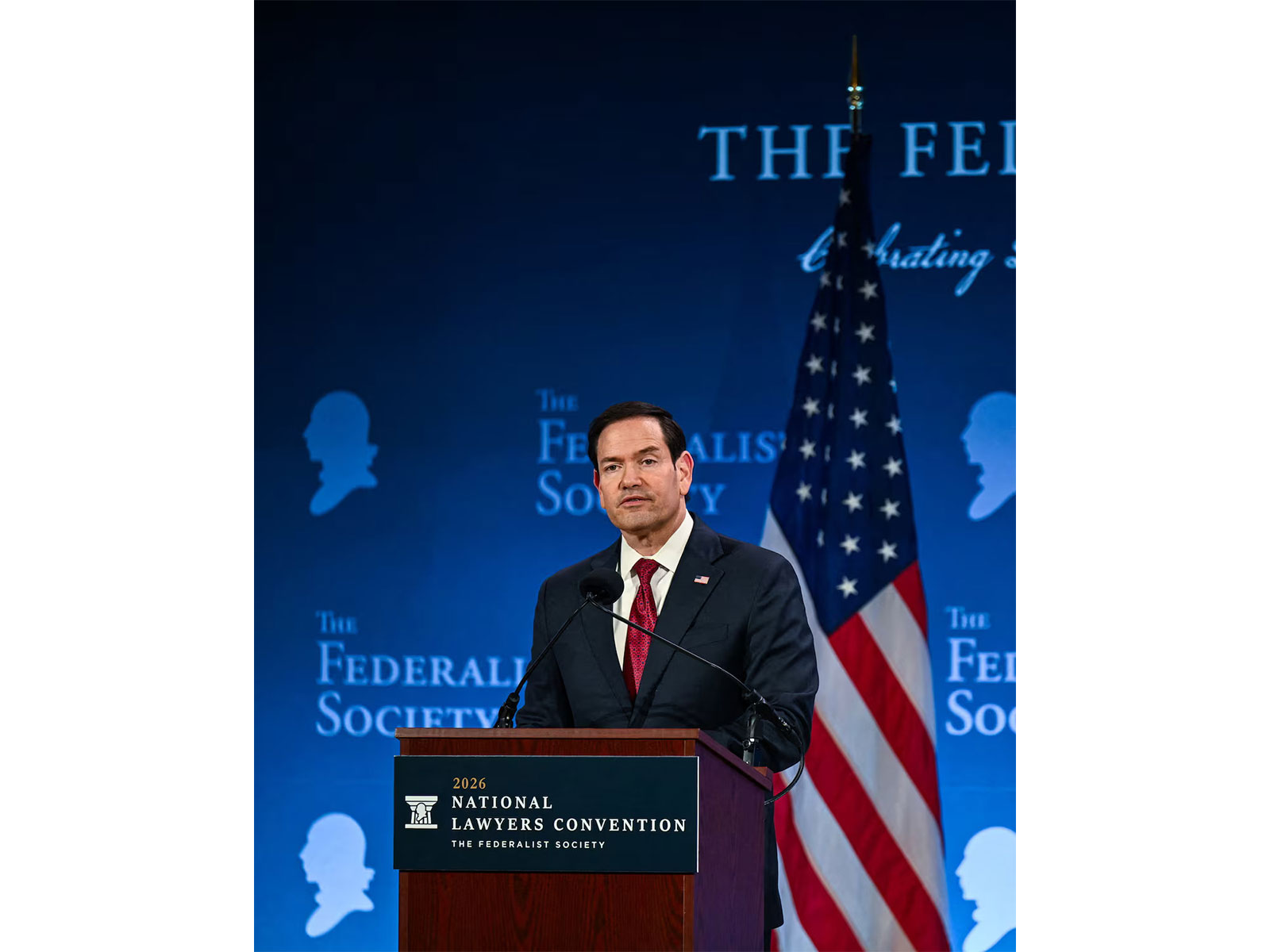
She further raised questions about the future leadership of Washington’s engagement with the Quad, particularly if US Secretary of State Marco Rubio takes a backseat in the coming year with a potential 2028 presidential run in mind.
Meanwhile, the White House said the Quad discussions would focus on peace, prosperity and security in the Indo-Pacific, describing the grouping as a “partnership of action” under Trump. A US official said Washington expected concrete actions and deliverables from the meeting rather than a purely ceremonial engagement.
Following the Quad meeting, Trump is expected to sign a trade deal with Thailand and attend a special US-ASEAN summit before joining a dinner hosted for ASEAN and other regional leaders.
On Wednesday, he will receive a state visit welcome at the presidential palace, followed by bilateral talks and a lunch banquet with the Philippine President. The White House said the visit would also focus on commercial agreements and strategic investments in aviation, defence, energy and technology.
Trump will subsequently travel to Shenzhen, China, to attend the APEC leaders’ dinner and meeting. On Thursday, he is scheduled to hold bilateral talks and a working lunch with Xi, with discussions expected to focus on implementing the existing trade agreement between the two countries.
The US President is also expected to conclude his visit with a trilateral meeting involving Xi and Putin. According to the White House, discussions will include reducing nuclear weapons proliferation, which Trump considers a major global threat.
The Quad is an informal grouping of four Indo-Pacific democracies without a formal treaty or permanent secretariat. Initially established as a coordination mechanism following the 2004 Indian Ocean tsunami, it was revived in 2017, with leaders beginning annual-level meetings in 2021.
The grouping covers cooperation in maritime security, technology, infrastructure, health and climate. Although widely viewed as a counterweight to China’s growing regional influence, its members maintain that it is not directed against any particular country.
The leaders last met in Wilmington, Delaware, in September 2024, under then US President Joe Biden, reaffirming their commitment to a free and open Indo-Pacific.
Manila will host the first leaders’ meeting of the grouping since Trump returned to the White House, with the engagement expected to provide an indication of Washington’s approach towards its Indo-Pacific partnerships.
Tesla and SpaceX chief Elon Musk will accompany Trump during parts of his China visit but will not participate in official engagements, including the bilateral meeting with Xi and the proposed trilateral talks.
A US official also said Trump was not expected to raise allegations involving businesswoman Alice Huang with Xi. Washington indicated that it would not discuss ongoing US national security investigations with Beijing at this stage. The case has attracted attention over allegations involving Nvidia chief Jensen Huang, who is not related to Alice Huang. Nvidia’s board has launched an independent investigation into allegations that Jensen Huang was the target of a foreign intelligence effort. (ANI)
Related reading