
Patna (Bihar) [India], November 15 (ANI): Bihar Chief Minister Samrat Choudhary on Sunday inspected the arrangements at various ghats on the third day of Chhath Puja, marked by Sandhya Arghya, and reviewed the administrative arrangements made for devotees.
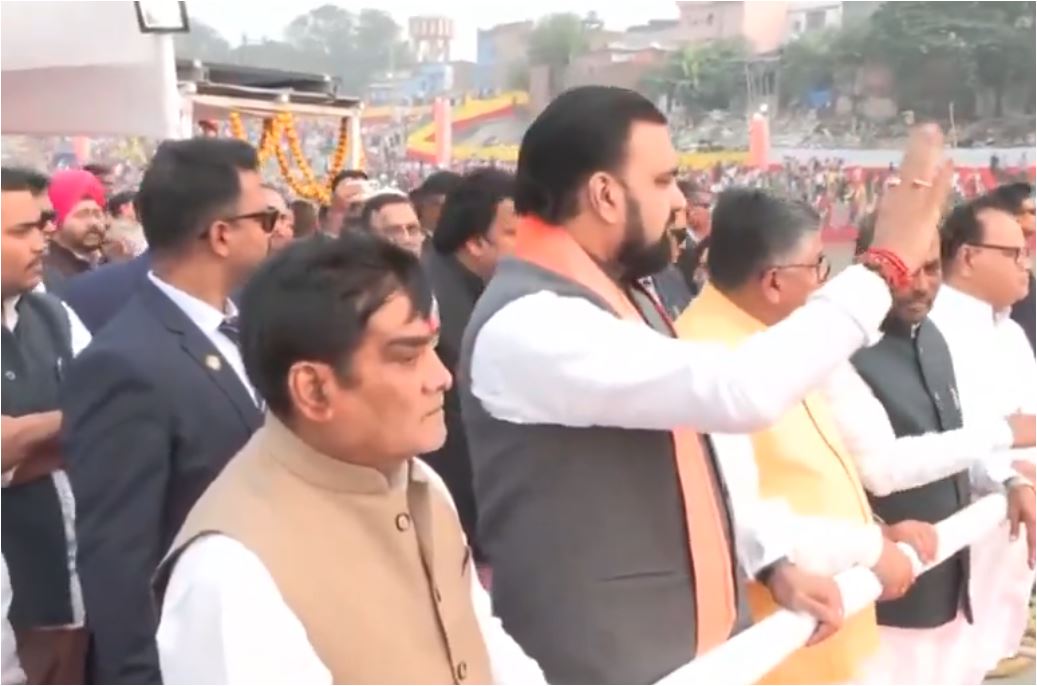
Speaking to ANI, CM Choudhary extended his greetings to the people celebrating Chhath Mahaparva and prayed for the prosperity of Bihar and the development of India.
“I extend my best wishes on Chhath Mahaparva to all the residents of Bihar and everyone celebrating across the country. I pray for Bihar’s prosperity and a developed India, and that Chhathi Maiya blesses all devotees. After a stampede in 2013, the government took over the monitoring and construction of ghats,” he said.
The Chief Minister said that officials had identified dangerous ghats and made necessary administrative arrangements to ensure the safety of devotees.
“This time, out of 103 ghats, over 90 are safe, and officials have made proper administrative arrangements while marking out dangerous ghats. People have now started celebrating Chhath Puja at an international level. Thousands of ‘Chhath Vratis’ are present who, along with praying for their families, also wish to see Bihar move forward,” he further said.
Chhath Puja is a four-day Hindu festival dedicated to the worship of the Sun God, Surya, and Chhathi Maiya. The festival began with Nahay Khay, during which devotees take a holy bath and prepare a traditional meal comprising Arwa rice, chana dal and lauki (bottle gourd).
The second day, known as Kharna, involves a fast from sunrise to sunset, which devotees break after offering prayers and preparing traditional prasad, usually comprising jaggery-based kheer and roti. Thereafter, devotees observe a rigorous fast of approximately 36 hours without food or water.
On the third day, devotees gather at riverbanks and other water bodies to offer Arghya to the setting sun during Sandhya Arghya. The festival will conclude on the fourth day with Usha Arghya, when devotees offer prayers to the rising sun at dawn. The ritual is followed by Parana, marking the conclusion of the fast.
The festival symbolises purity, devotion and gratitude, with devotees seeking blessings for the health, prosperity and well-being of their families. (ANI)
Related reading