New Delhi [India], November 12 (ANI): Rising retail inflation could weaken household purchasing power and constrain discretionary spending, including housing expenditure, while increasing the possibility of further monetary tightening by the Reserve Bank of India (RBI), industry bodies said on Thursday, following the acceleration in consumer price inflation to 6.09 per cent in October.
Vivek Rathi, National Director, Research at Knight Frank India, said the sharp increase in inflation was broadly anticipated due to erratic climatic conditions during the year, which pushed up food prices and spilt over into dependent sectors such as restaurants and hospitality.
“The inflationary pressures have also spilt over into dependent sectors such as restaurants and hospitality, where price increases exceeded 10 per cent,” Rathi said.
He cautioned that a sustained rise in consumer prices could reduce household purchasing power and constrain discretionary expenditure, with the impact likely to be more pronounced in affordable and lower-income housing segments.
“The combined effect of elevated living costs and potentially higher borrowing rates could weigh on housing affordability, dampen homebuyer sentiment, and introduce some near-term tightness in the residential real estate market,” he added.
Rathi also said that persistent inflationary pressures could complicate the RBI’s monetary policy response, with the possibility of a repo rate hike at the upcoming Monetary Policy Committee (MPC) meeting becoming apparent.
Meanwhile, the PHD Chamber of Commerce and Industry (PHDCCI) said its proprietary CPI ForeARIMA forecasting model had projected October retail inflation at 6.3 per cent, broadly in line with the reported figure of 6.09 per cent.
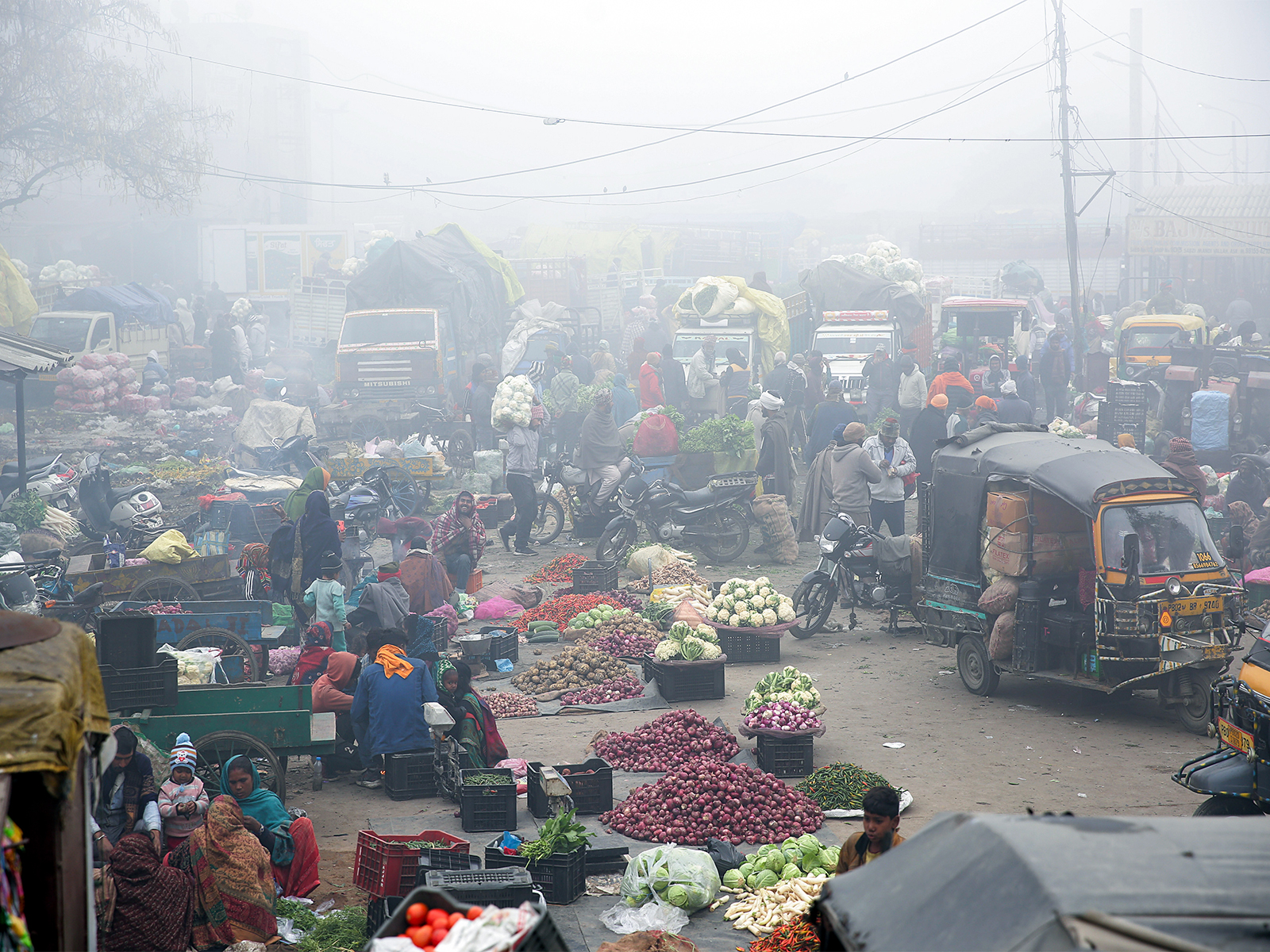
On the commodity front, onion inflation surged to 116.22 per cent in October from 108.13 per cent in September, while garlic inflation increased to 60.74 per cent. Ginger and lemon recorded inflation of 48.32 per cent and 47.30 per cent, respectively.
PHDCCI President Anil Gupta said the increase in retail inflation and food prices highlighted the importance of closely monitoring food price developments, given their significance in the consumption basket.
The chamber also noted that inflation remained uneven across expenditure categories, with restaurants and accommodation recording 10.06 per cent inflation and personal care and miscellaneous goods and services registering 10.14 per cent. (ANI)
Related reading