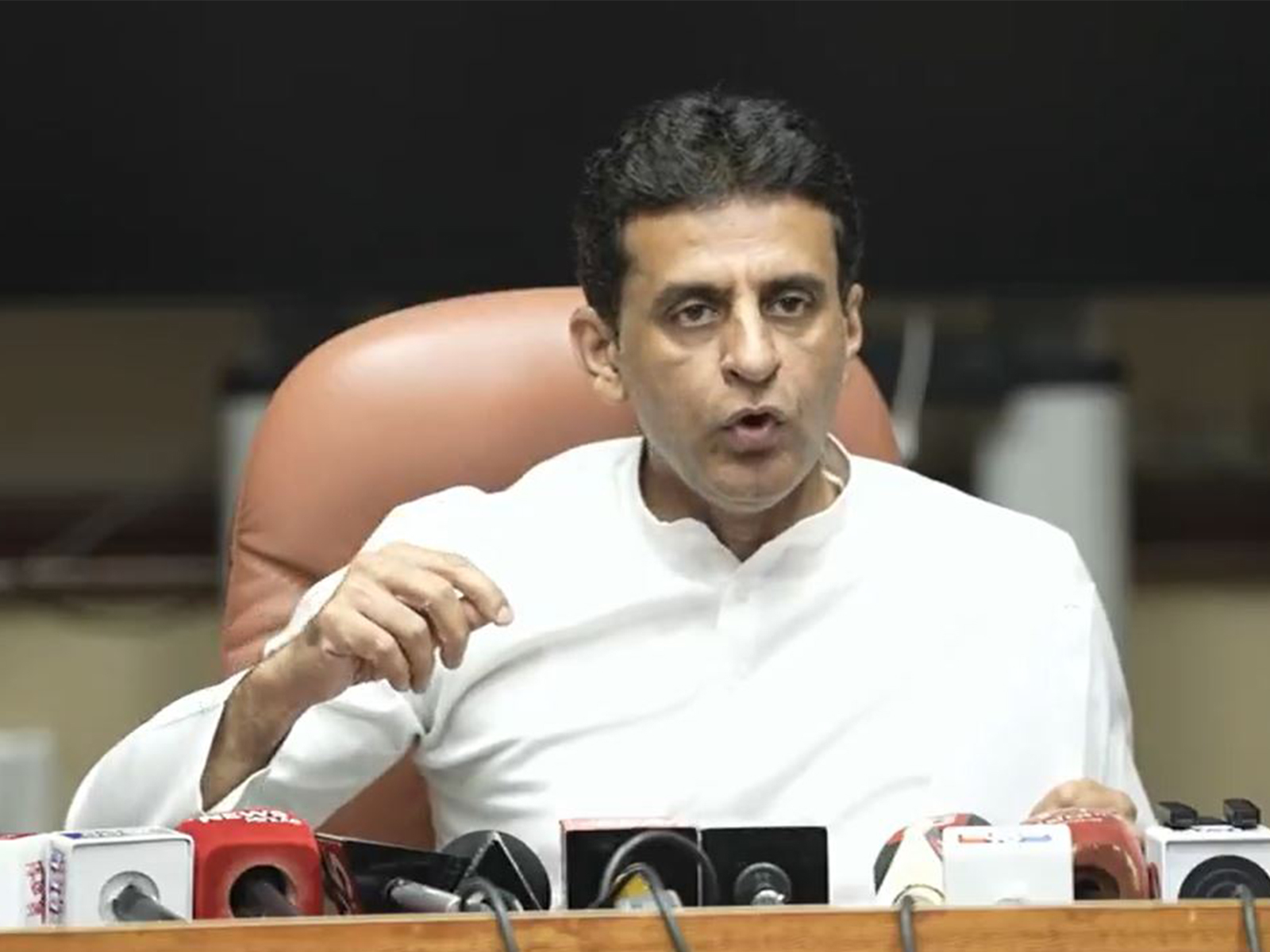
Bengaluru (Karnataka) [India], November 6 (ANI): Karnataka Minister Rizwan Arshad on Friday raised concerns over the impact of high ethanol-blended petrol on vehicles, warning that fuel containing more than 20 per cent ethanol could damage components of vehicles not designed to handle higher ethanol concentrations.
Speaking during a press conference on the testing of petrol samples collected across the state, Arshad said the government had collected 63 samples from different locations in every district and from all major oil companies.
“We collected 63 samples from across the state, from various locations in every district, and from all the major companies,” he said.
Questioning the compatibility of higher ethanol blends with the existing vehicle population, the minister said only a small proportion of vehicles on Indian roads were manufactured to comply with E20 fuel standards.
“If we are only beginning to manufacture E20-compliant vehicles after 2023, what proportion of the total vehicle population does this represent? It is a very small fraction; only a tiny percentage of vehicles are E20-compliant. If the ethanol blend exceeds E20, even these E20-compliant vehicles will face problems,” he said.
Arshad further claimed that 99 per cent of vehicles could not handle fuel with an ethanol concentration higher than 20 per cent.
He also referred to the role of the Automotive Research Association of India (ARAI), which is responsible for certifying vehicles, engines, technologies and fuels introduced in the country.
“That is all well and good, but for the average vehicle, the fuel-system components such as rubber parts, hoses, gaskets, seals, and O-rings will all begin to deteriorate,” he said.
The ethanol blending programme is a Centre-led initiative aimed at reducing dependence on imported crude oil, cutting fuel import costs and promoting the use of domestically produced ethanol. Under the programme, the government has been promoting E20 petrol, which contains 20 per cent ethanol and 80 per cent petrol.
However, the rollout has triggered concerns over vehicle compatibility, mileage and possible engine damage. The Karnataka government’s testing of petrol samples and its concerns over ethanol concentrations have brought the issue into focus. (ANI)
Related reading