New Delhi [India], November 6 (ANI): Tipra Motha Party founder Pradyot Bikram Manikya Deb Barma has termed the failure to integrate key parts of the erstwhile Kingdom of Tripura into India during the 1947 Partition and the 1971 Indo-Pak war as a “historical blunder,” asserting that discussions about reclaiming separated Indian territories should not remain confined to Pakistan-occupied Kashmir (PoK).
Deb Barma emphasised that the royal family was willing to merge its historical territories with India, but a lack of decisive action by the then Central government left the Northeast geographically isolated and landlocked.
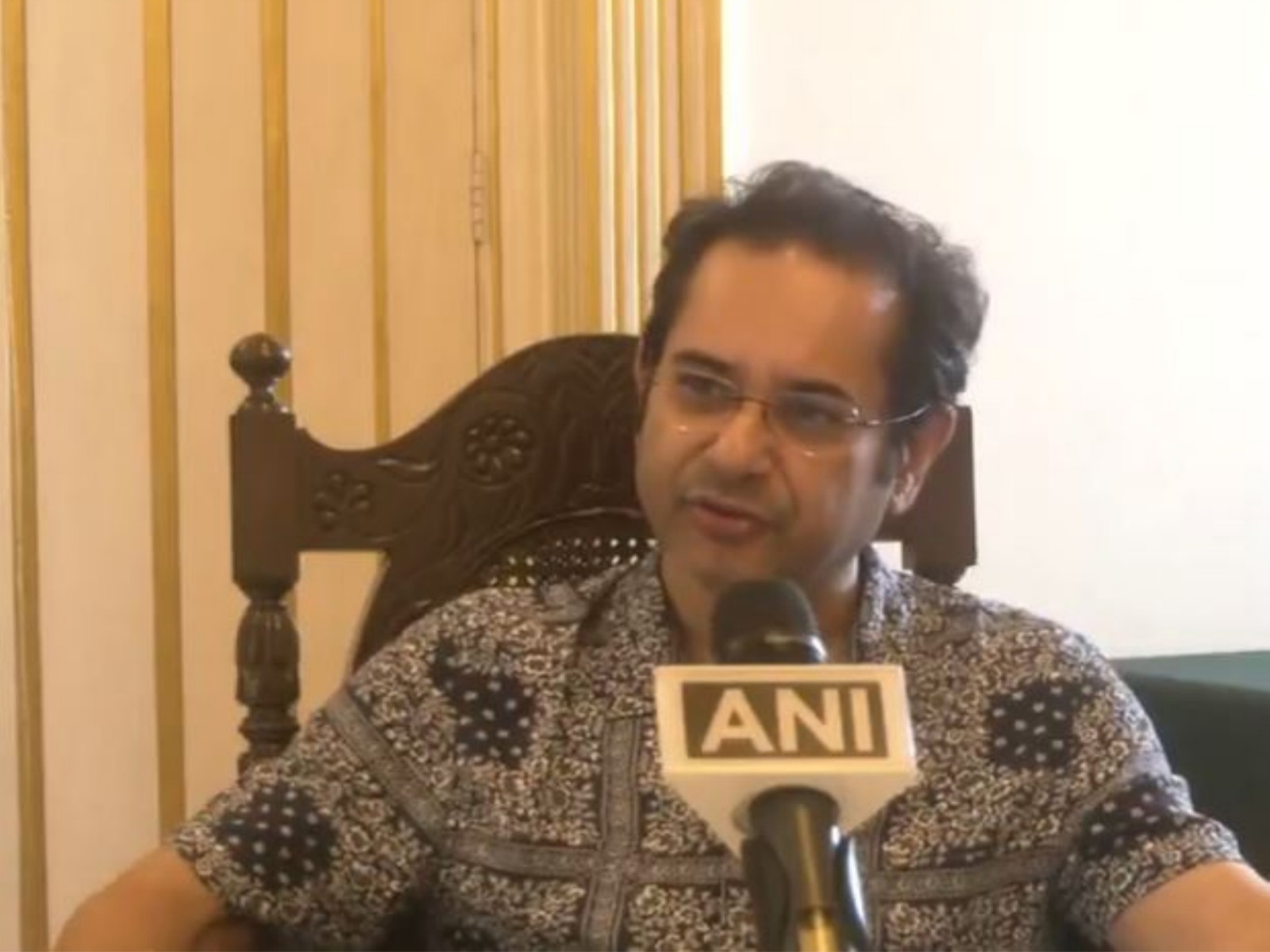
Speaking on the issue, Pradyot Bikram Manikya Deb Barma said, “…Before the partition of India, we had decided that we would become an integral part of India. At that time, the Government of India should have pushed for the inclusion of parts of the Kingdom of Tripura, which the Maharaja and the Rajmata were subsequently ready to merge with India. But the Government of India, for whatever reason, did not include parts of East Pakistan, which today could have been very beneficial for our state, our Northeast, and our country. Today, we are landlocked… Another chance came in 1971, when 90,000 Pakistani soldiers were in India’s custody; we could have negotiated at that time. But we did not do it even then. Opportunities like this do not come repeatedly, and we lost this opportunity.”
He further added, “This is a historical blunder. I do not want to politically blame anyone, but we must all accept the fact that today the Northeast is geographically isolated because the Government of India did not press hard enough to acquire territories that should have been part of India… An inseparable, historical part of ours was separated, and now it should be rejoined. Why should we only talk about Pakistan-occupied Kashmir? A lot has happened in our East as well, which was wrong.”
Reacting strongly to the recent attack on Border Security Force (BSF) personnel in Ashabari, the Tipra Motha chief urged the government to set a stern example and called upon all political parties to rise above partisan lines to end cross-border smuggling.
“…The government should take strong steps and teach these people a lesson so that they think twice before repeating such an action. And if this system, this system of smuggling, is not stopped today, then those who beat the BSF today could engage in any anti-national activities tomorrow. So the government must set an example. Everyone knows exactly who is carrying out this smuggling. But our political class, across all political lines, needs to decide one thing. If we feed milk to a snake, that snake will bite us one day,” he warned.
He stressed, “Therefore, political parties across all political lines should come together and ensure that the security and the safety of our state, our North East, and our India should be paramount. Whether it is drugs, cattle smuggling, goods, or human trafficking, whatever smuggling is happening must stop.”
Clarifying his decision to step away from active organisational roles in the Tipra Motha Party, Deb Barma maintained that the party has now grown robust enough to sustain itself, allowing him to prioritise his health while continuing to advocate for his people independently.
“I had a long thought. I had actually thought that if the Tripura Accord had happened in 2023 or 2024 itself, I would have left at that very time. I never did politics for money. God has given me everything,” Deb Barma said.
Reflecting on the party’s journey, he noted, “When I started Tipra Motha, we had only two or three people with us. Today, we have 13 MLAs, 24 MDCs, and 4,528 elected members in the village councils. So the party has grown big, and I feel that even by stepping away from politics, I can still talk about my people and the people of my state. So I thought it was the right time. I want to look after my health. I want to speak openly and freely…” (ANI)
Related reading