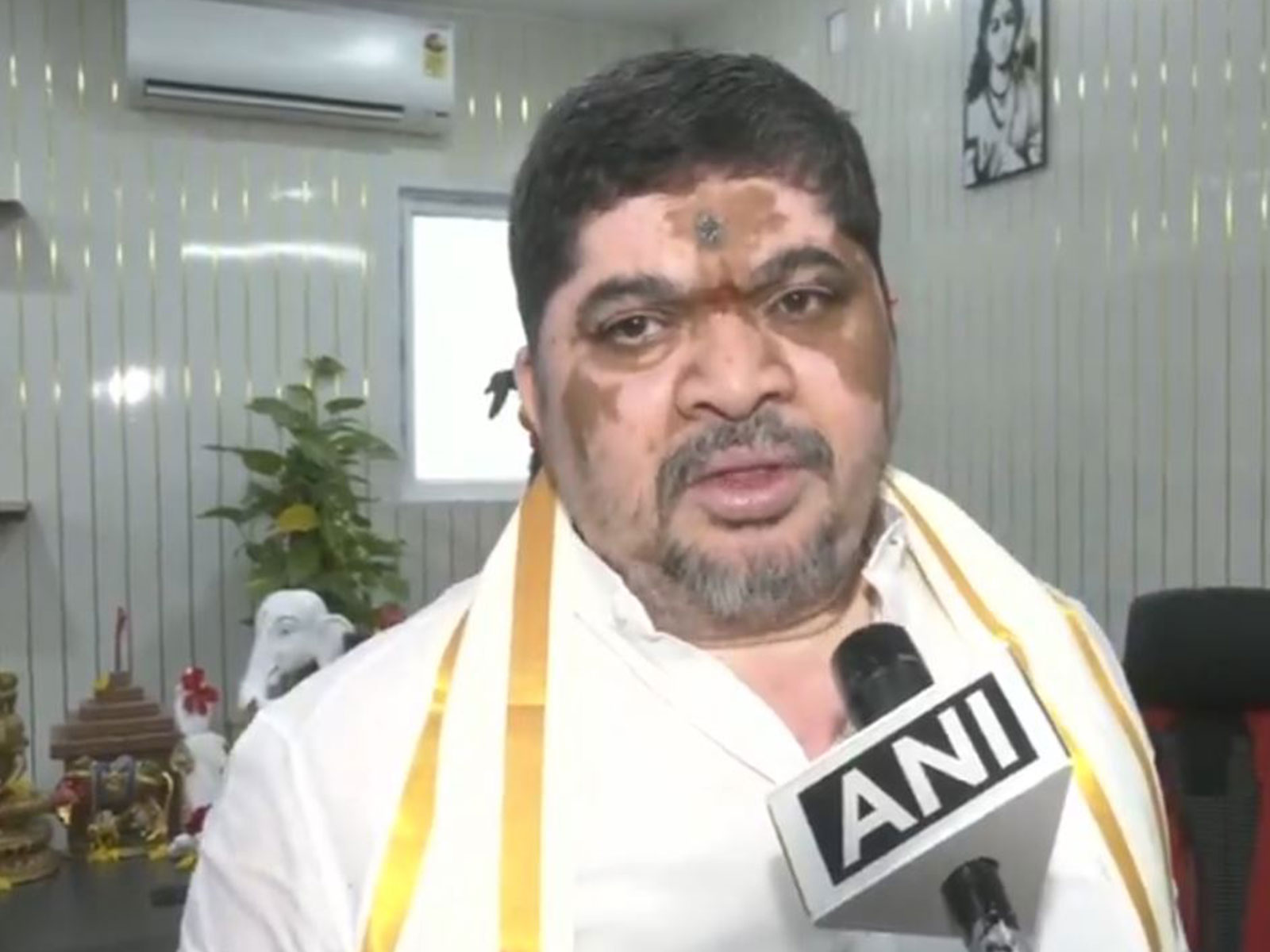
Itanagar (Arunachal Pradesh) [India], November 6 (ANI): Katon Mayong, an environmental engineer and anti-Siang Upper Multipurpose Project (SUMP) activist, remains firm on his demand that no dam must be constructed on the Siang River in the valley revered by the Adi community. Speaking at a news conference at the Arunachal Press Club on Thurday, he asserted that the time for talks was over, stating that the entire Adi community would have to be “exterminated” if a dam were to be built here.
He said the indigenous communities in the Siang valley were not against development. He reiterated their appeal of building a dam on the river’s tributaries instead of the mainstream.
“It has been 47 years since we have been shouting in the government’s ear. From our grandfather’s generation to ours, we have been clear: no Siang Dam. We are not against development. You can build dams in the tributaries, but not in the mainstream. We have been stating this countless times,” Mayong said while addressing a press conference on Thursday in Itanagar.
Mayong, who was recently detained by Delhi police for protesting against the proposed Siang Dam, said there was no scope of discussion left now.
“Pema Kandu, whenever you put out this notification, ‘dear beloved Adi brothers and sisters, we are ready, our door is open, come to meeting, we will discuss’. Discussion time is over, Pema Kandu and Dorjee Kandu’s soul. Discussion time is over; discussion will not be done now,” the indigenous activist said.
Mayong belongs to the Adi community, an indigenous tribe of Arunachal Pradesh, listed under the Scheduled Tribes (ST).
“We have said that we don’t want Siang Dam. You build the rest in the river. We will help you in building the dam. But never in Siang Dam. Either you (will) have to exterminate the entire Adi community. Otherwise, it will not be built,” he asserted.
Mayong said that any community-based organisation must have permission from all concerned 60 villages before they hold talks with the government regarding Siang Dam.
“I would like to request all the CBOs (community-based organisations), AdiSU (Adi Students’ Union), ABKU (Adi Bane Kebang United), ABK (Adi Baane Kebang), SIF (Siang Indigenous Farmers’ Forum)…any CBO taking up this Siang Dam issue, don’t hold discussions with the corrupt governemnt unless you have permission of the 60 villages,” he said.
“I have been working with the people, my 60 village councils. I am their voice today in front of you all,” he added.
Mayong further alleged attempts by the government to “divide and rule” the tribal communities in order to get the Memorandums of Understanding (MoUs) with various village communities signed.
“Last year, the government tried this tactic of divide and rule between the intra-tribes, intra-sub-clans of Adi. Komkar and Geku were forced to fight. Simo and Karko were forced to fight. Sitang and Riga were forced to fight. Riu and Begun were forced to fight. It was the divide-and-rule policy so that the government could get the MOU signed,” he said.
“They were trying to divide and rule us, but fortunately our people are well educated, well aware, so today everyone is united. 99% are not accepting this dam, and nobody gave you the MOU. The trick was unsuccessful for the government,” he added.
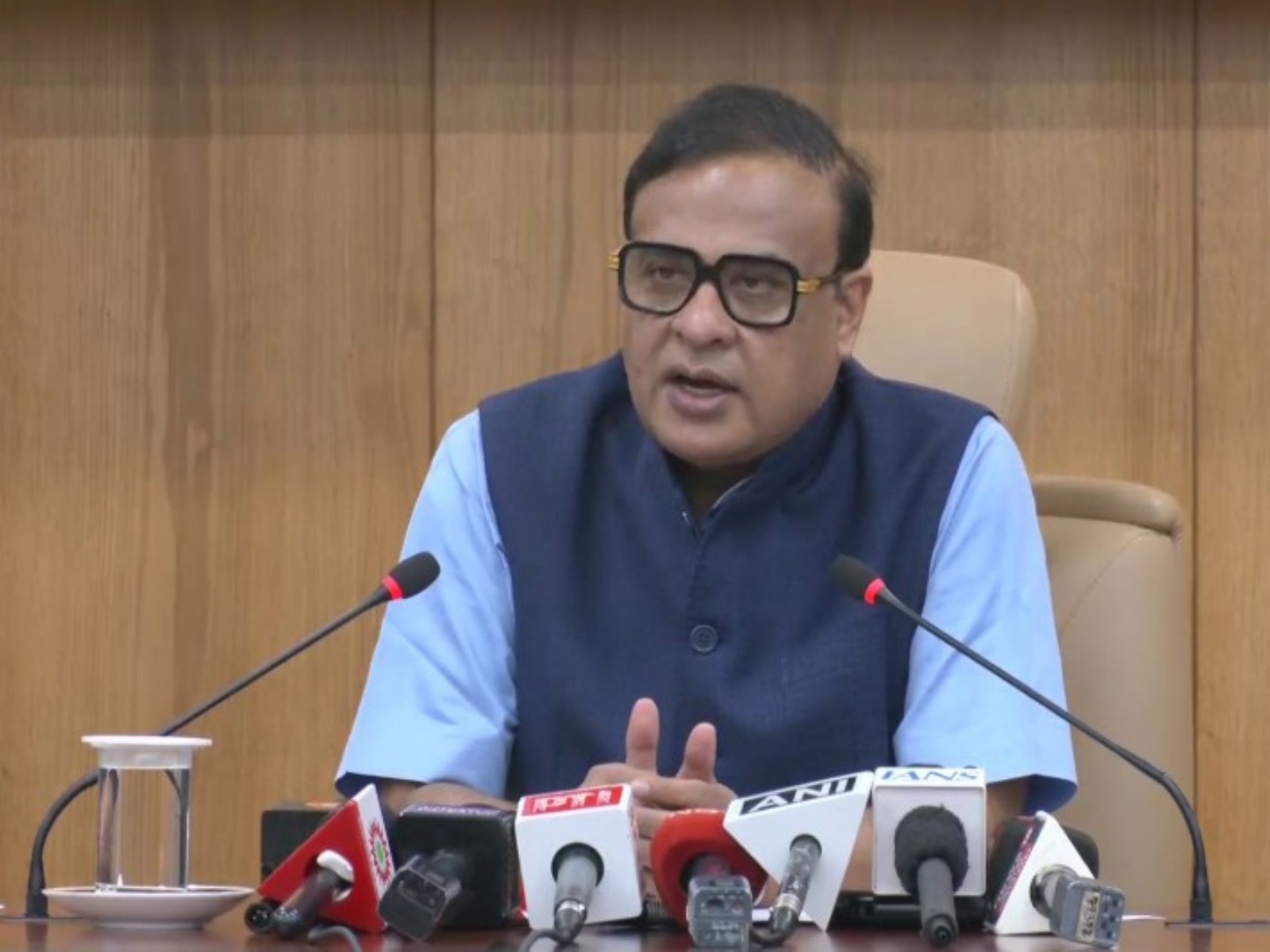
Earlier, Arunachal Pradesh Chief Minister Pema Khandu refuted claims of forced displacement of residents due to the Siang Upper Multipurpose Project (SUMP), describing the information as false.
“Some people and groups are spreading false information about the SUMP. They claim that a decision regarding dam has already been taken, that families will be forced from their homes and that land will be taken without consent. None of this is true. It hurts me to see our mothers, elders and youth losing sleep over things that are not happening. Our people deserve accurate information to understand the project, its strategic importance and the concerns associated with it,” said CM Khandu.
Khandu asserted that the Arunachal Pradesh government remains committed to dialogue and to address concerns regarding SUMP. However, he also emphasised that those who choose violence are not above the law.
“Dialogue requires trust and mutual understanding, and we remain committed to dialogue, consent and finding a constructive way forward. We are committed to listening to you, understanding your concerns and addressing them with transparency. Violence can never be the answer. Bandhs, blockades and attacks bring no solutions and only make our own people suffer. Those who choose violence, threaten our brothers and sisters or take the law into their own hands must clearly understand that no one is above the law,” added Khandu.
The proposed 11,200-megawatt project is planned on the Siang River and is being pursued by the Centre through NHPC. It is envisaged as a multipurpose storage project, combining hydropower generation with water management and strategic objectives.
The project has faced sustained opposition from sections of the indigenous Adi community, with residents raising concerns over the possible submergence of villages, displacement, loss of ancestral land, livelihoods and ecological consequences. Its location in a seismically active region has also raised questions about dam safety.
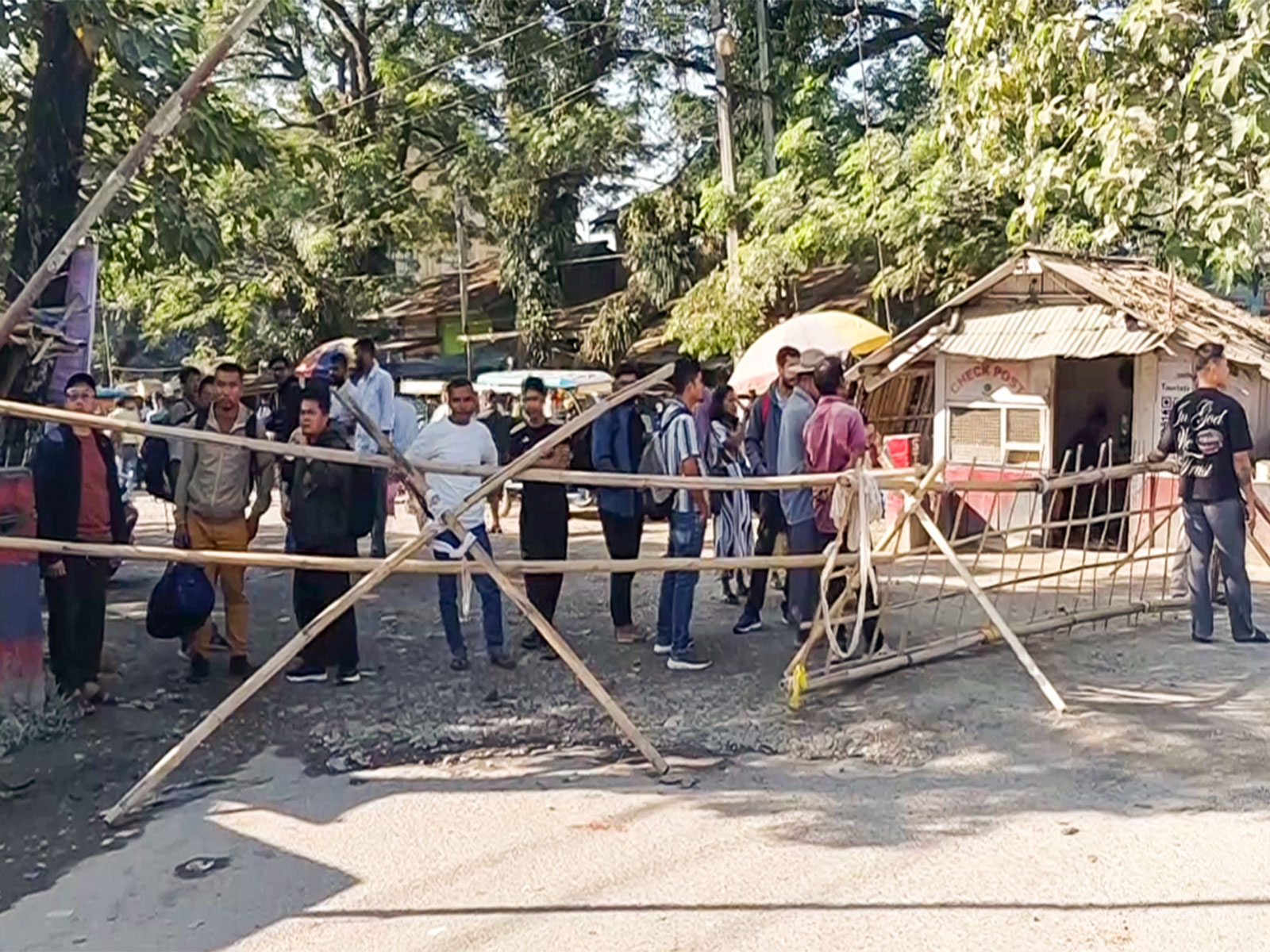
Opposition intensified in October, with protests turning violent in late September and again on October 23. Protesters set fire to an NHPC office and a police station in Pasighat, while several vehicles and properties linked to political leaders were damaged.
The unrest has prompted additional security deployment and renewed efforts by the state government to initiate dialogue. The Arunachal Indigenous Tribes Forum has also proposed a peace committee to facilitate discussions between the government and opposing groups. (ANI)
Related reading