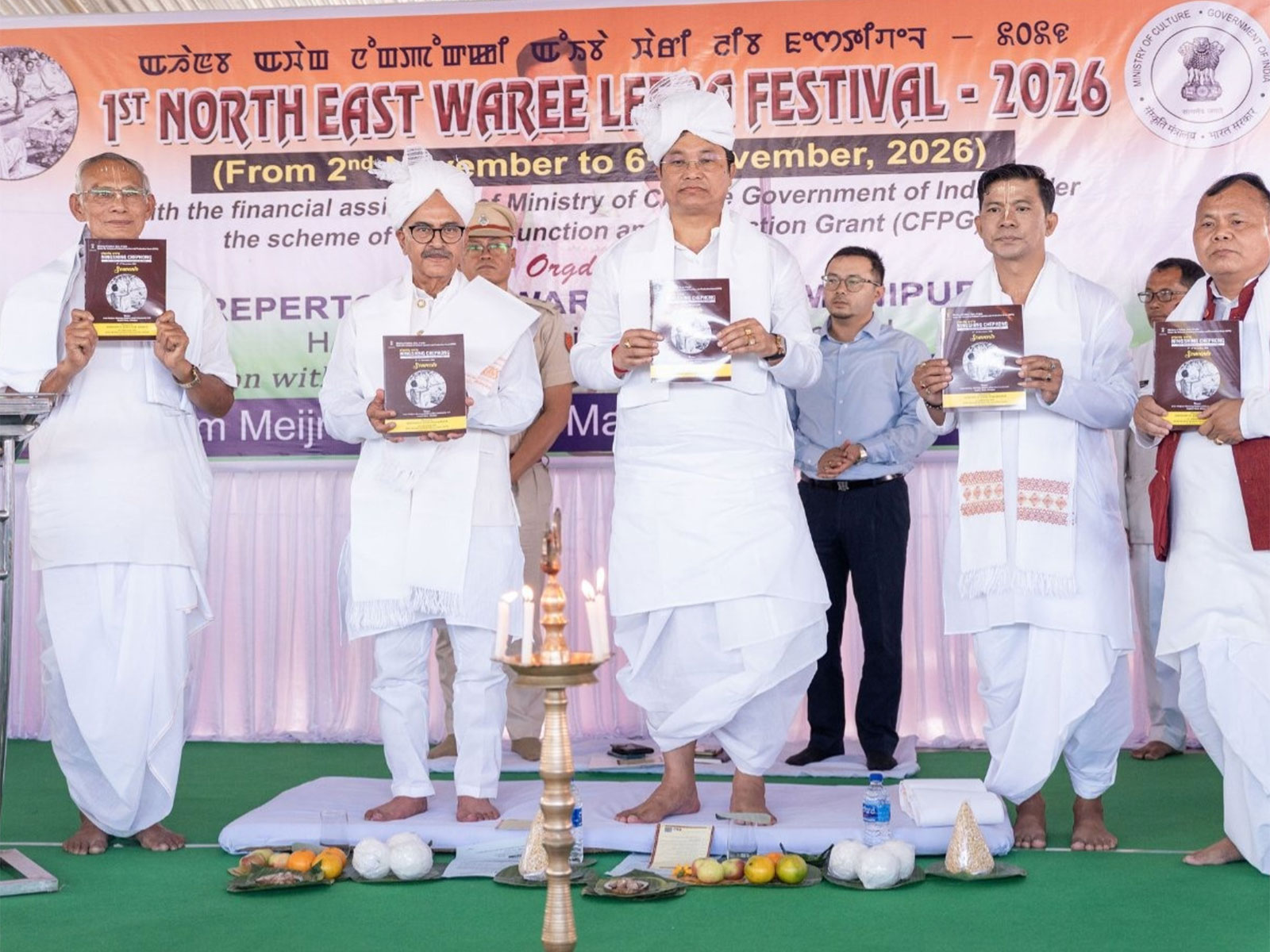
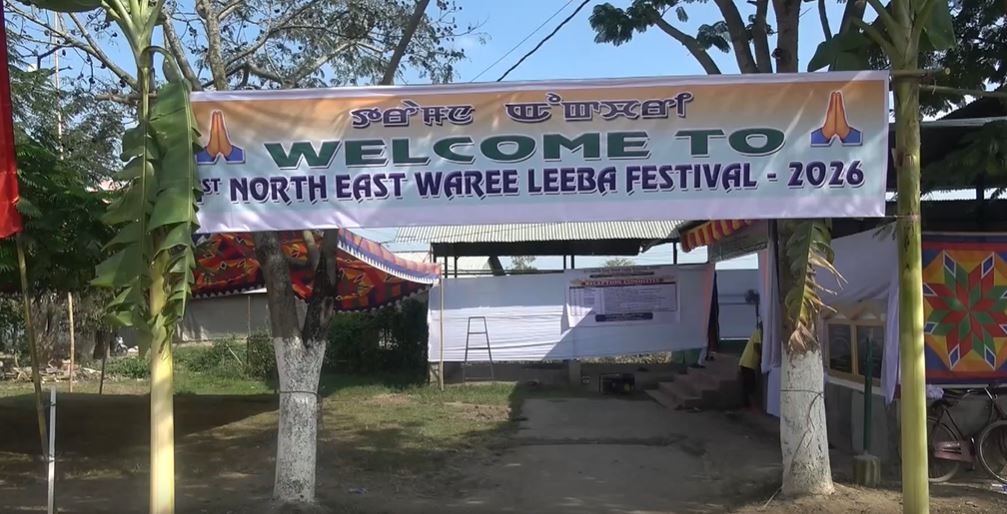
Imphal (Manipur) [India], November 3 (ANI): Manipur Governor Ajay Kumar Bhalla inaugurated the first North East Waree Leeba Festival 2026 at Irom Meijrao Mamang Community Hall in Imphal West on Tuesday.
During the programme, the Governor paid floral tributes to the portraits of three departed Waree Leeba gurus and felicitated gurus from Assam and Tripura.
The five-day festival is being organised by the Repertory of Waree Leeba, Khurai, in association with Irom Meijrao Women for Cultural Centre.
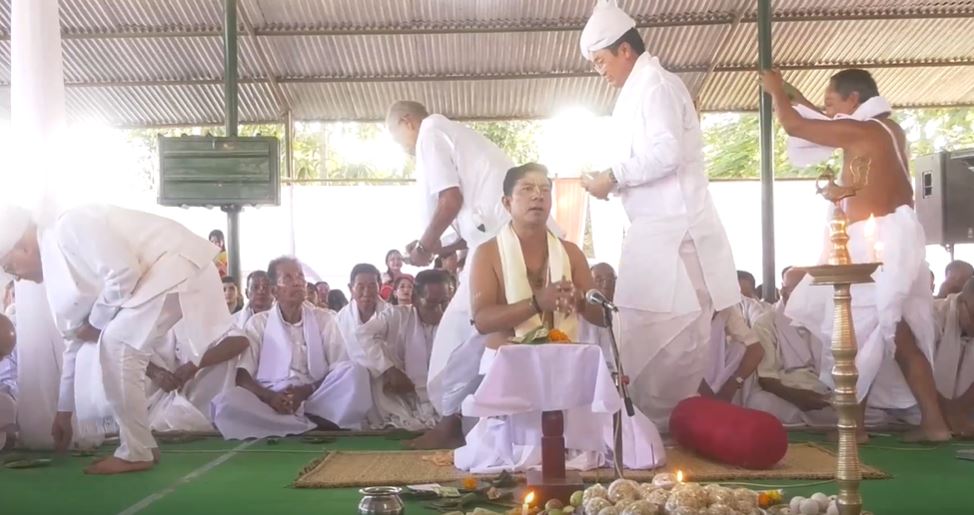
Addressing the inaugural session, the Governor congratulated the Repertory of Waree Leeba, Manipur, for bringing together artists from across the North Eastern region to celebrate and preserve this unique storytelling tradition. He observed that Waree Leeba is not merely a form of entertainment but a living tradition through which the knowledge, beliefs, myths and legends of ancestors are passed down from one generation to another.
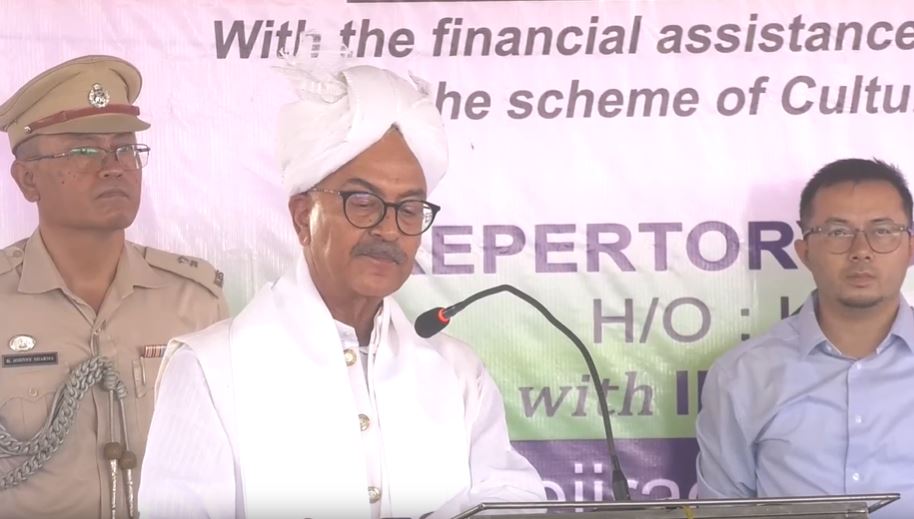
Emphasising the enduring relevance of traditional storytelling, he said that Waree Leeba entertains, educates and conveys values that remain relevant to society. He added that preserving this tradition is essential for safeguarding an important part of Manipur’s cultural identity and memory. The Governor expressed confidence that the festival would mark the beginning of sustained efforts to promote this unique storytelling tradition and strengthen cultural cooperation across the Northeastern region.
During the function, the Governor listened to a Waree Leeba presentation of an episode from the Mahabharata, narrated by renowned artist Shyamkanhai Singh. Appreciating the artist’s storytelling skills, expressive narration and traditional presentation, the Governor thanked him for bringing the epic to life through the art of Waree Leeba. Art & Culture Minister Kh Loken Singh, gurus and artists attended the programme.
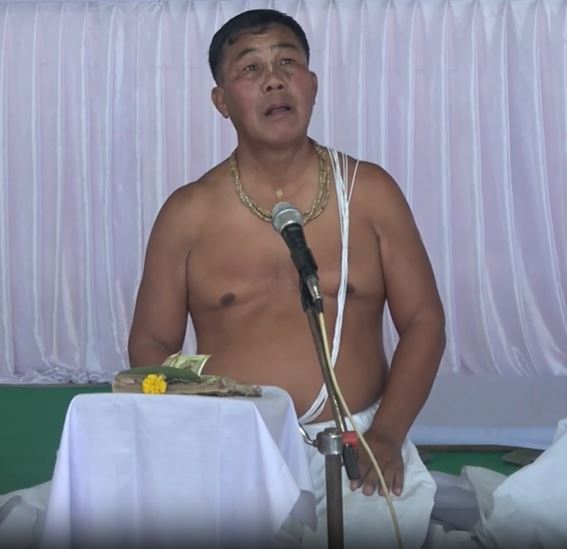
Waree Leeba is a traditional solo narrative storytelling art form from the Meitei community of Manipur, dating back to the reign of King Khagemba (1597–1652 AD). It is a solo performance by a single male artist who performs the entire narrative and plays all the characters himself. Unlike many other Manipuri performing arts, it does not use musical instruments. The performer sits on a Vyasa Asana, using a white pillow (which he occasionally strikes with his hand for dramatic effect) and a sacred text placed on a wooden stool called Lairik-phan covered with a white cloth.
During the performance, the performer blends theatrical expression with rhythmic narration, intense facial expressions, dynamic hand gestures, mimicry, humour and vocal sound effects such as animal, wind or thunder imitations.
Stories are drawn from great Indian epics like the Mahabharata and the Ramayana, as well as indigenous Meitei folklore, history and spiritual teachings.
Due to modernisation, busy contemporary lifestyles, rapid urbanisation and the rise of digital entertainment, public patronage has significantly declined.
Till the late 70s and early part of the 80s, these narrative performing arts were seen in every locality at temple mandaps and spacious verandahs. Furthermore, the passing of many veteran Waree Leeba masters without a sufficient line of trained successors has been a major reason for the decline of this form of narrative arts.
Diminishing formal transmission of traditional Meiteilon diction and oral memory systems, particularly evident in diaspora communities like Tripura, has led to simplified or distorted renditions.
Revival efforts are being undertaken by institutional and community support organisations such as the Repertory of Waree Leeba, Manipur (ROWLM), which actively work to sustain and document the craft.
https://x.com/LokBhavManipur/status/2117216729961230699
Public initiatives like the recent 1st North East Waree Leeba Festival (held in Imphal West, supported by the Ministry of Culture) bring together veteran gurus and younger artists from Manipur, Assam and Tripura to re-engage youth and preserve this oral heritage. Further information on current preservation efforts can be found. (ANI)
Related reading