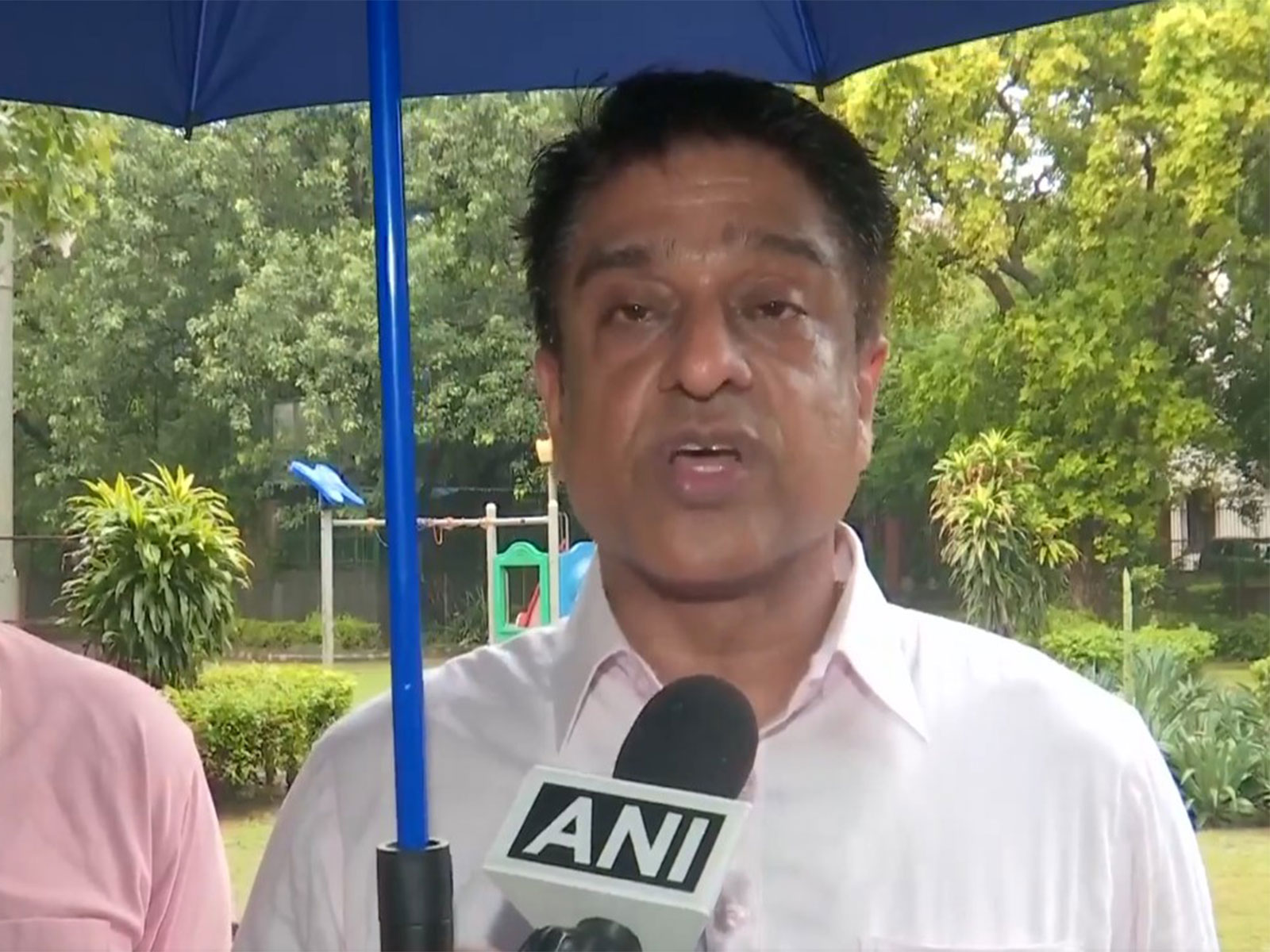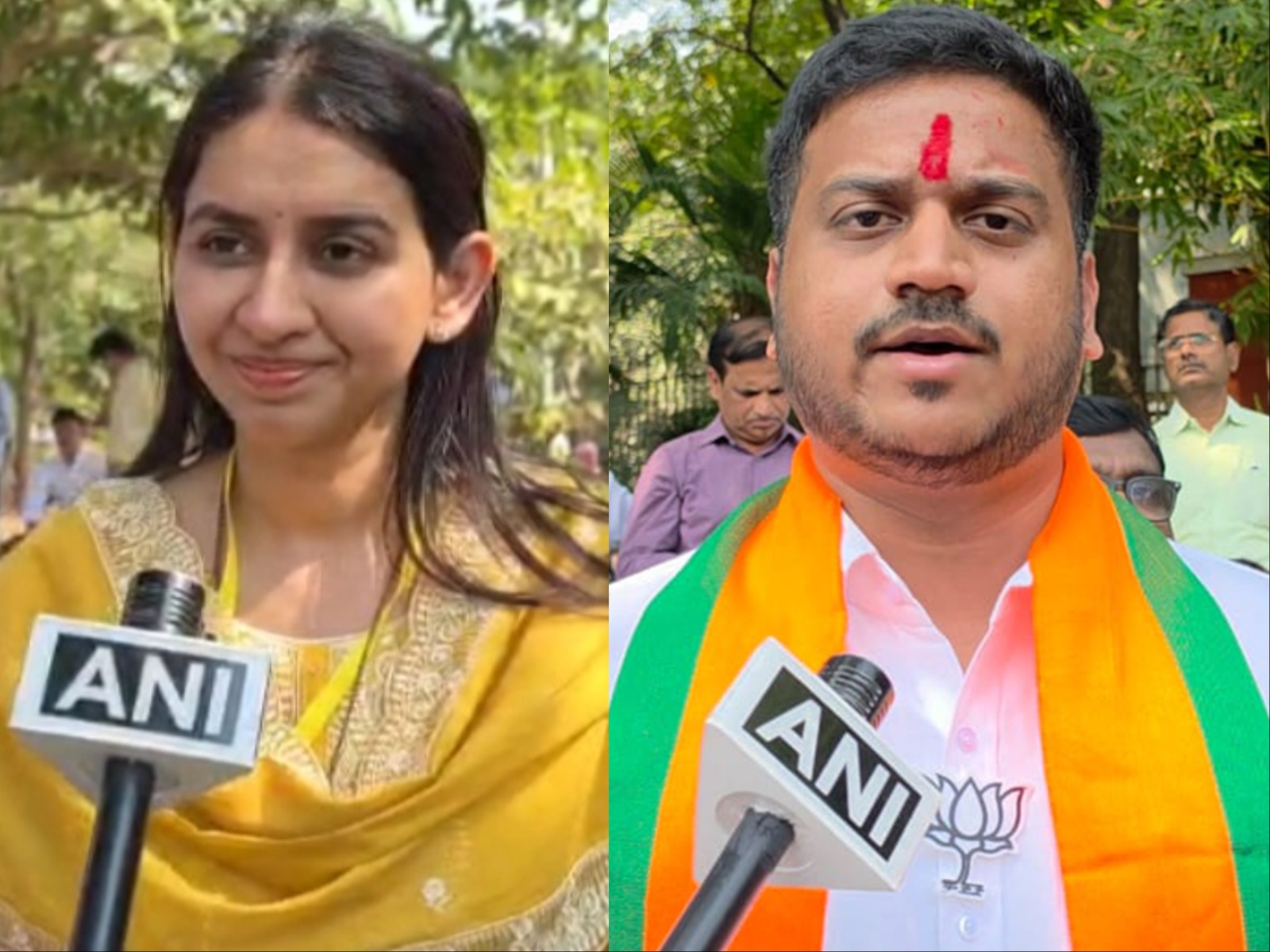
Hyderabad (Telangana) [India], October 28 (ANI): The Vivekananda International Foundation (VIF), New Delhi, organised the launch and discussion of the book titled “India’s Maoists: Glimpses into Red Insurgency,” authored by noted internal security expert Dr. P. V. Ramana, at the ICCC Auditorium, Road No. 12, Banjara Hills, Hyderabad.
The book launch was attended by retired IPS officer B. Shivadhar Reddy, State Security Advisor and former DGP of Telangana; Ch. Dwaraka Tirumala Rao, former DGP of Andhra Pradesh; Mahesh M. Bhagwat, DGP (Law and Order); Anil Kumar, DGP (Operations); V. C. Sajjanar; K. Sreenivas Reddy, Editor of Telangana Today; author Dr. P. V. Ramana; and other dignitaries.
Speaking on the occasion, B. Shivadhar Reddy emphasised that the decline and containment of Maoism were made possible through the concerted and collective efforts of all government departments and security wings. He pointed out that multifaceted strategies combined with coordinated fieldwork played a vital role in curbing extremist influence across affected regions. He highlighted that the ideological influence of Ambedkarism, emphasising constitutional rights and social justice, created widespread awareness that significantly counteracted Maoist propaganda. He concluded that embracing democratic values, constitutional frameworks, and inclusive governance has effectively guided communities away from violent extremism toward sustainable progress.
Delivering his address on the “Challenges Ahead,” Ch. Dwaraka Tirumala Rao stated that while security forces have achieved major successes, lasting peace requires continuous vigilance and a decisive shift toward development. He pointed out that any withdrawal of Central Armed Police Forces (CAPFs) must be carefully calibrated, supported by new Forward Operating Bases (FOBs) in critical zones. He stressed the urgent need to trace and recover looted police weapons and mining explosives, while systematically dismantling Maoist urban bases and illicit financial routes. He asserted that the administration must ensure that none of the 196 historically affected “thrust” and “legacy” districts slips back into the insurgent fold, which is achievable only when development, responsive governance, and economic inclusion take precedence over purely armed operations.
Author Dr. P. V. Ramana, speaking about his book, stated that it systematically covers the organisational structure of the CPI (Maoist), their strategic mass fronts, urban networks, women cadres, and crucial northeast linkages across dedicated chapters. He noted that the publication incorporates authentic GIS maps and datasets reflecting how the Ministry of Home Affairs categorised 196 districts across India as affected by Naxalism. He highlighted that the book exposes detailed financial networks and clandestine dump inventories, including specific instances where hundreds of gold biscuits and crores of rupees in cash were hidden in forest dumps and urban centres. He added that the work critically analyses major armoury raids, tactical ambushes, failed peace negotiations, and pressing flaws in state surrender-cum-rehabilitation frameworks.
The book is an authoritative, evidence-based exploration grounded in field research across Naxalite-affected regions since 2004. Drawing on extensive interviews with security personnel, policymakers, researchers, and surrendered cadres across the ideological spectrum, the narrative is brought up to date through an Epilogue examining the security developments of 2025–2026.
Presenting a comprehensive roadmap forward, the book recommends a “consortium approach” through Public, Private, People Partnership (PPPP)—pooling resources from central and state governments, industry, NGOs, local communities, and surrendered cadres. It calls for revamping Surrender and Rehabilitation (S&R) policies with fast-tracked benefits, including PM Awas Yojana housing, land aid, financial management training, and the speedy disposal of pending legal cases overseen quarterly by a Chief Secretary-led high-powered committee.
On the socio-economic front, the author advocates awarding local road connectivity and timber works directly to village collectives rather than large contractors, employing local diploma holders, engineering graduates, and moolvasis (indigenous people) in infrastructure and mining projects. It mandates that Corporate Social Responsibility (CSR) and District Mineral Funds (DMF) be spent exclusively within local project-affected areas for education, safe drinking water, and healthcare. Urgent interventions like deploying bike-ambulances to treat fatal cerebral malaria within 24 hours, expanding Eklavya schools, and encouraging vernacular media to constructively highlight surrender success stories are also emphasised.
The author, Dr. P. V. Ramana, writes on Left-Wing Extremism at the Vivekananda International Foundation and holds a PhD from Jawaharlal Nehru University, New Delhi. He previously authored “Understanding India’s Maoists: Select Documents” and edited “The Naxal Challenge,” in addition to contributing to Jane’s Intelligence Review. He has served on the National Police Mission (BPR&D) sub-group on surrender policies, consulted for the Ministry of Home Affairs, and lectured at leading police academies, defence formations, the Pentagon, and the Woodrow Wilson Centre. (ANI)
Related reading