
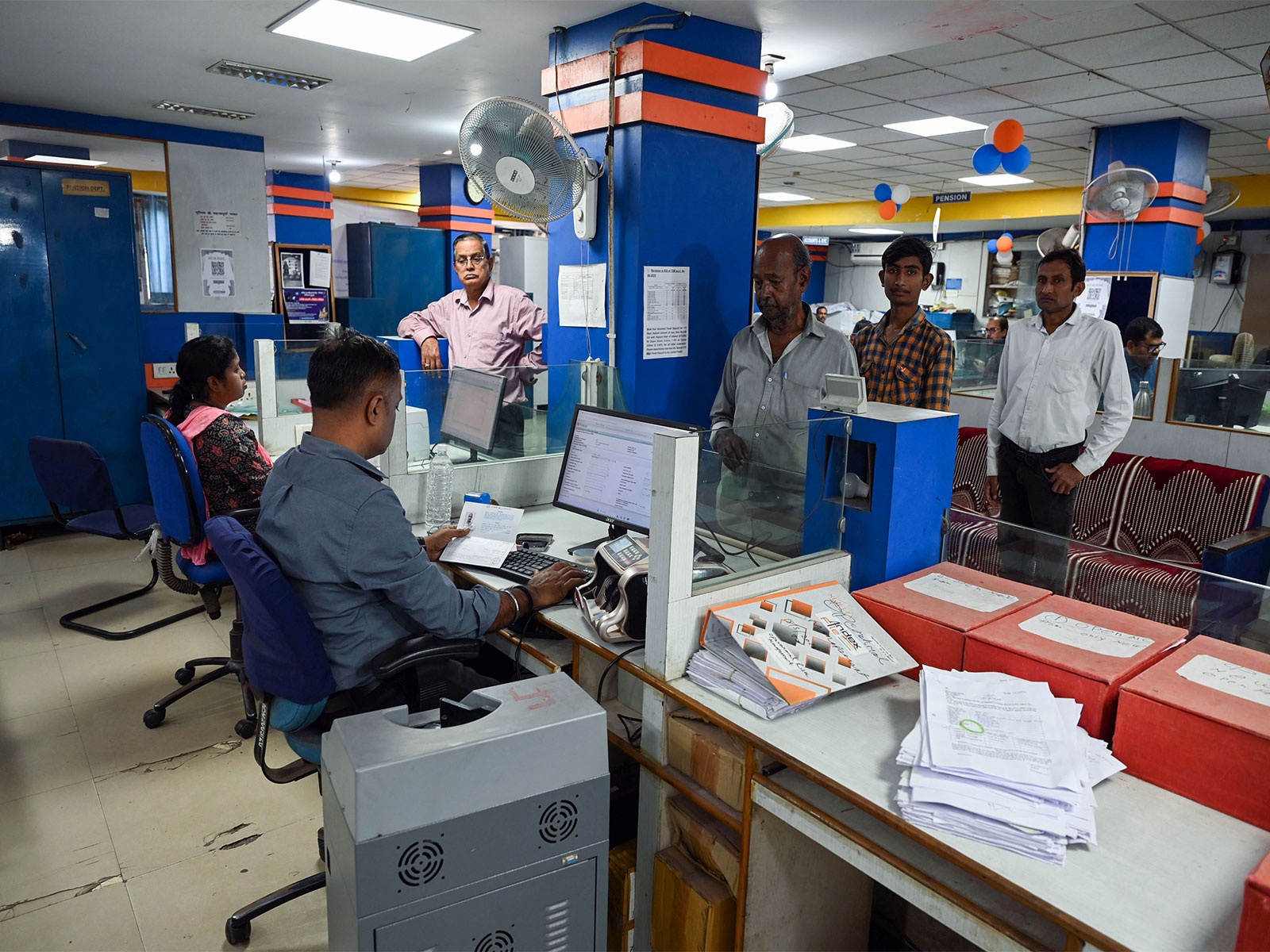
New Delhi [India], October 28 (ANI): Banks could reduce the human effort required for transaction monitoring investigations by 30-50 per cent by deploying agentic artificial intelligence (AI), while improving the quality and consistency of compliance reports, according to a report by McKinsey.
The report said AI agents could handle data collection, research, analysis and report preparation, allowing human experts to focus on complex cases, risk assessment and final decisions.
“In transaction monitoring investigations, we have seen banks achieve a more than 40 percent reduction in human processing time,” McKinsey said, adding that reports generated by AI agents showed higher completeness against predefined checklists than analyst-written reports.
Unlike tools that assist individual analysts with specific tasks, agentic AI can coordinate an entire investigation, from gathering information across systems to preparing documented recommendations. McKinsey said this could help banks respond to increasingly sophisticated financial crime threats while managing the growing time and resources required for compliance.
The report said AI-generated reports could also improve consistency by using the same transaction analysis periods and report structures across cases, with claims linked to their source data for review by quality teams, auditors and regulators.
However, McKinsey stressed that human oversight remains essential. AI agents can analyse evidence and make recommendations, but people must assess findings, address gaps in information and retain responsibility for decisions.
“AI augments our work, but all judgments remain with our team,” Hans-Georg Beyer, Commerzbank’s chief credit risk officer and former group chief compliance officer, said in the report.
McKinsey said banks seeking to scale the technology should build systems with quality checks, clear risk controls and traceable decisions. It noted that 30-50 per cent of an agent network may need to be dedicated to quality assurance and traceability.
The report also said the same approach could be extended beyond transaction monitoring to fraud detection, know-your-customer checks and regulatory compliance. One large bank used a multi-agent system based on similar principles to prepare corporate credit risk assessments, halving the time credit officers spent on analysis.
McKinsey said banks should begin with a focused use case, demonstrate its value and then expand to wider compliance activities. It cautioned that successful adoption would depend not only on technology and data access but also on staff skills, continued collaboration between compliance experts and data scientists, and robust governance.
The report said banks would need to monitor deployed AI systems closely, test their reliability and make continuous improvements as risks and business requirements evolve. (ANI)
Related reading