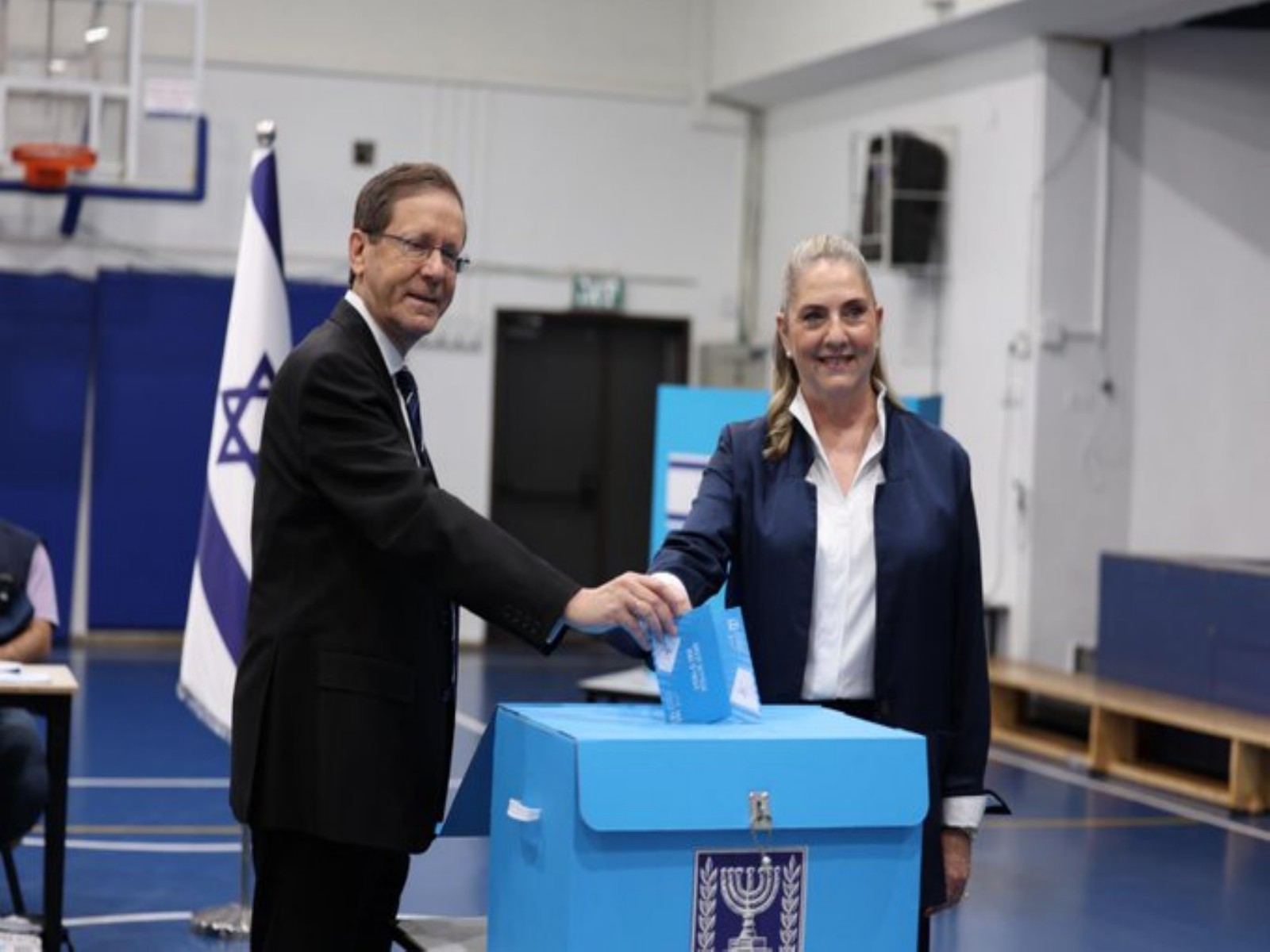
Jerusalem [Israel], October 27 (ANI): As polling stations opened across Israel on Tuesday, voters from different age groups shared their views on the country’s political leadership, economic challenges, ongoing war and the need for peace, with one calling for a change in leadership and another expressing hope for a more peaceful future.
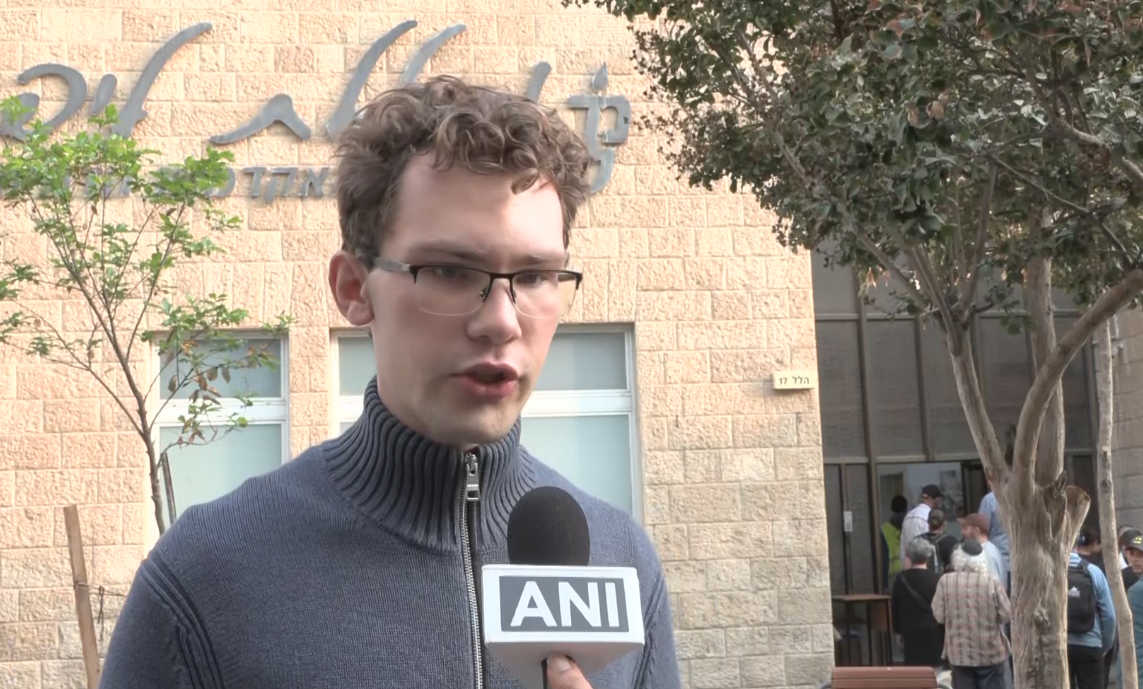
Speaking to ANI in Jerusalem, 23-year-old Leonite said he was voting against incumbent Prime Minister Benjamin Netanyahu, expressing concern over what he described as a threat to democracy and divisions within Israeli society.
“First thing first, I think that we have to save our country from dictatorship, which is going to happen if Netanyahu wins his seat again,” he said.
“Unfortunately, he divided our country and our people into two groups, real Jews and not real Jews. I think it’s not the right thing to do, and I’m here to vote against him and for values that I believe,” Leonite added.
On Israel’s international relations, he said the country needed to change its approach, arguing that Netanyahu acted too radically and that most Israelis did not support his actions.
Highlighting the key issues facing the country, Leonite pointed to rising supermarket prices, economic monopolies, the financial cost of the war and religious restrictions.
“There is no reason for have that big prices in supermarkets. The reason for that is monopolies. Monopolies are deeply in our economy. We have to destroy them,” he said.
Referring to the ongoing conflict, he added, “The war actually to fight it costs a lot of money. So, we want to stop killing people, I mean, we want to stop dying.”
Urging citizens to participate in the elections, Leonite said, “Everybody has to come here because we actually live in democracy and your vote really means a lot. It doesn’t matter who you’re going to vote for, far-right, far-left, something in the middle.”
He also called for unity among Israelis despite political differences, saying, “We are the same. We are the same nation. Same people who know how to talk with each other. We actually love and support each other, and we should not forget that.”
Meanwhile, another voter, Pascal, who said he had been living in Israel for seven years, expressed hope for a new government and a more peaceful future for the country.
Speaking to ANI, asked about the issues facing Israel, Pascal said he hoped for a better government and a good life. Expressing his affection for the country, he said, “I like my small country, but like so much.”
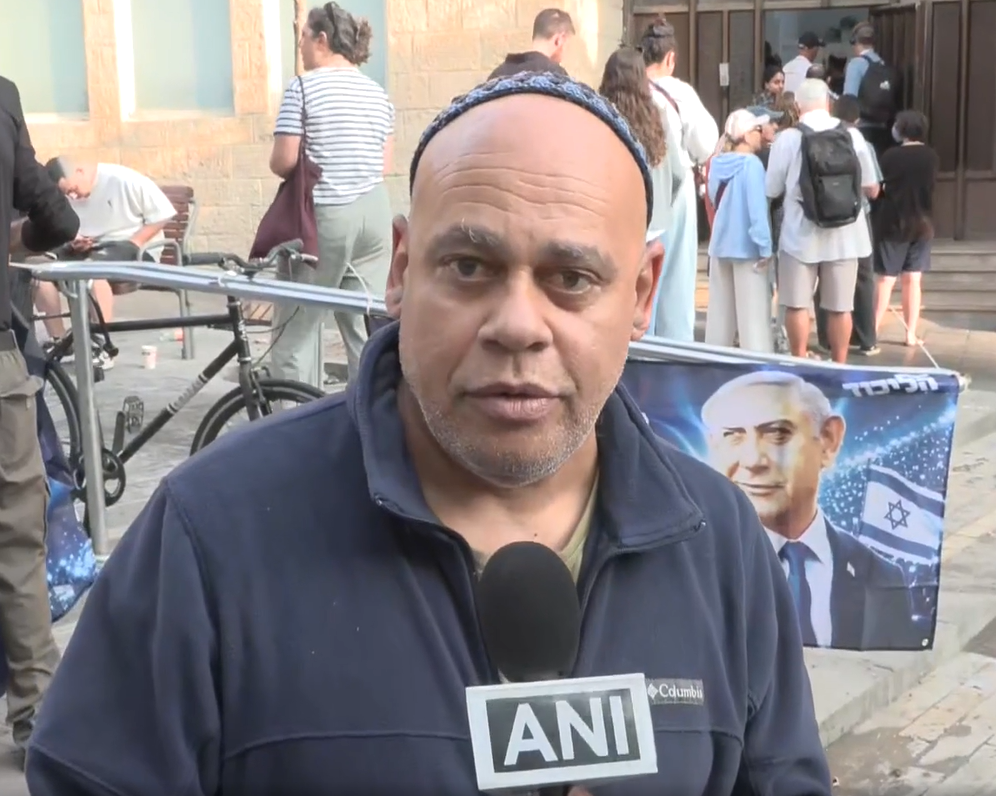
Reflecting on the recurring conflicts, he added, “It’s very nice, but long time ago, all the time the war, war, war, I think it’s so good be quiet.”
Polls opened across Israel as 7,331,981 eligible voters headed to the ballot box, with voting scheduled to end at 10 pm local time on Tuesday.
Ahead of the polls, former Israel Defense Forces (IDF) Chief of Staff Gadi Eisenkot, a principal rival of incumbent Prime Minister Benjamin Netanyahu, invoked imagery of the October 7, 2023, Hamas massacre while urging voters to turn out and vote for his Yashar party.
“06:29 Remember this hour when you go to vote. Today we have an opportunity to put a slip in the ballot box, to replace the government of October 7th and the shirking, and to set Israel on a new and better path. To be worthy. I am committed,” he posted on X just ahead of the polls.”
The opposition bloc led by Eisenkot is pushing on the issues of accountability for October 7, and demanding an independent commission of inquiry. Eisenkot himself is characterised as a security hawk, and his campaign is centred around calling Netanyahu dangerous for Israel’s security.
“Benjamin Netanyahu will conclude his role immediately following the election results that will take place tomorrow and the establishment of the next government, which will be carried out expeditiously. We will ensure that this is how it will be. The people of Israel will elect a prime minister whose considerations will always be for the good of Israel, who will never act out of political interests at the expense of Israel’s security and the fighters of the IDF,” Eisenkot posted in his final message ahead of Tuesday’s poll.
Netanyahu is playing to his strength characterising his rivals as a left-leaning bloc which could have to rely on support of the Arab parties to form a government, something that voters don’t want.
“Israel’s enemies only want us to lose – because then a dangerous left-wing government of Eisenkot and Lieberman, with Yair Golan and the Arab parties, will rise here. The way to stop them is to go out and vote only Likud,” Netanyahu posted in a late night message on Monday.
After the votes are tallied on Tuesday, President Isaac Herzog will consult the leaders of the elected parties before tasking the lawmaker he believes has the best chance of forming a government. That candidate will have 28 days to cobble together a coalition, with a possible 14-day extension. If those efforts fail, a second party leader may be given 28 days (without an extension) to try, and if that attempt falls short, a majority of 61 MKs can request that the president assign the task to a particular lawmaker within a further 21-day period. (ANI)
Related reading