By Sahil Pandey
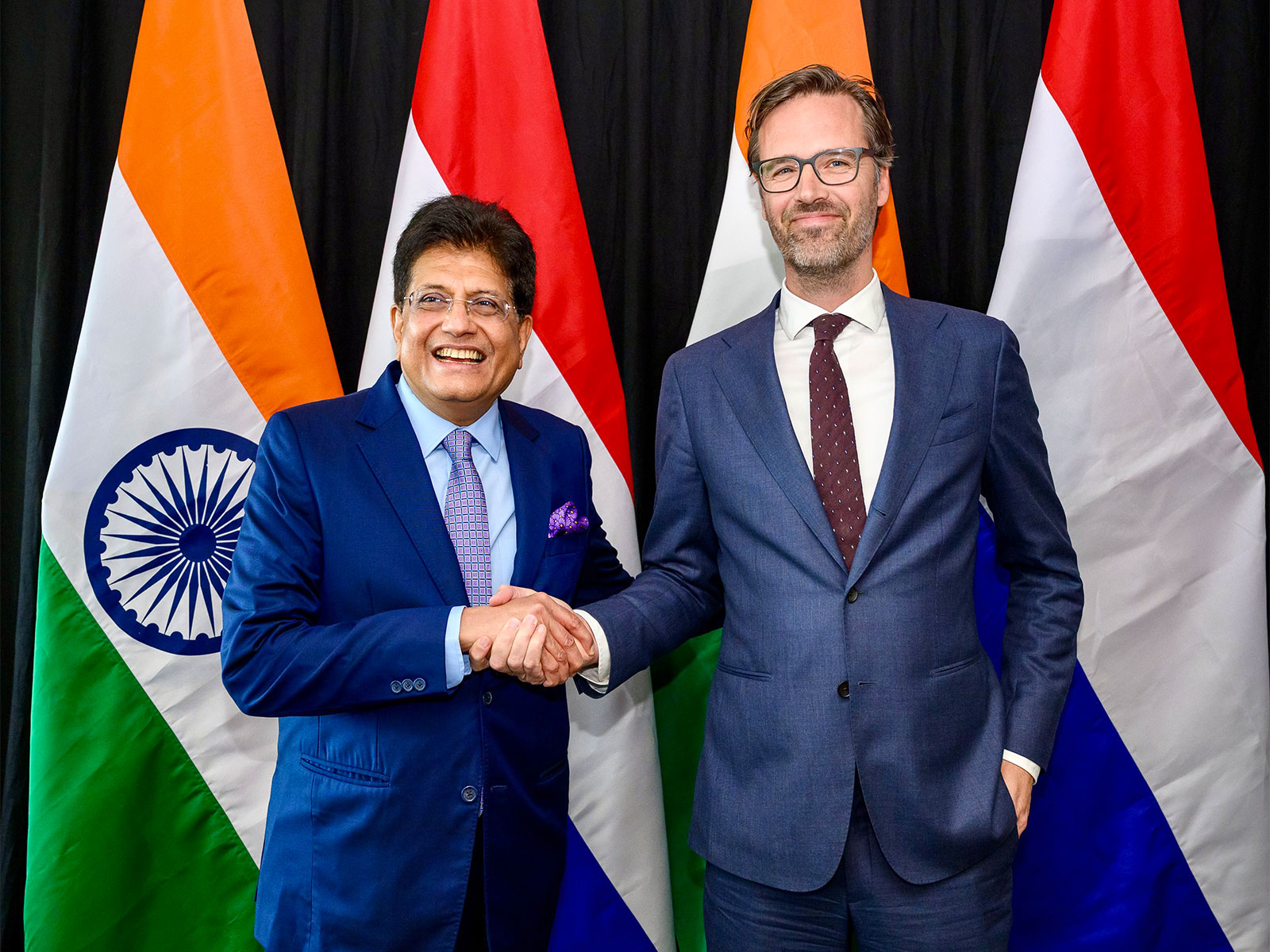
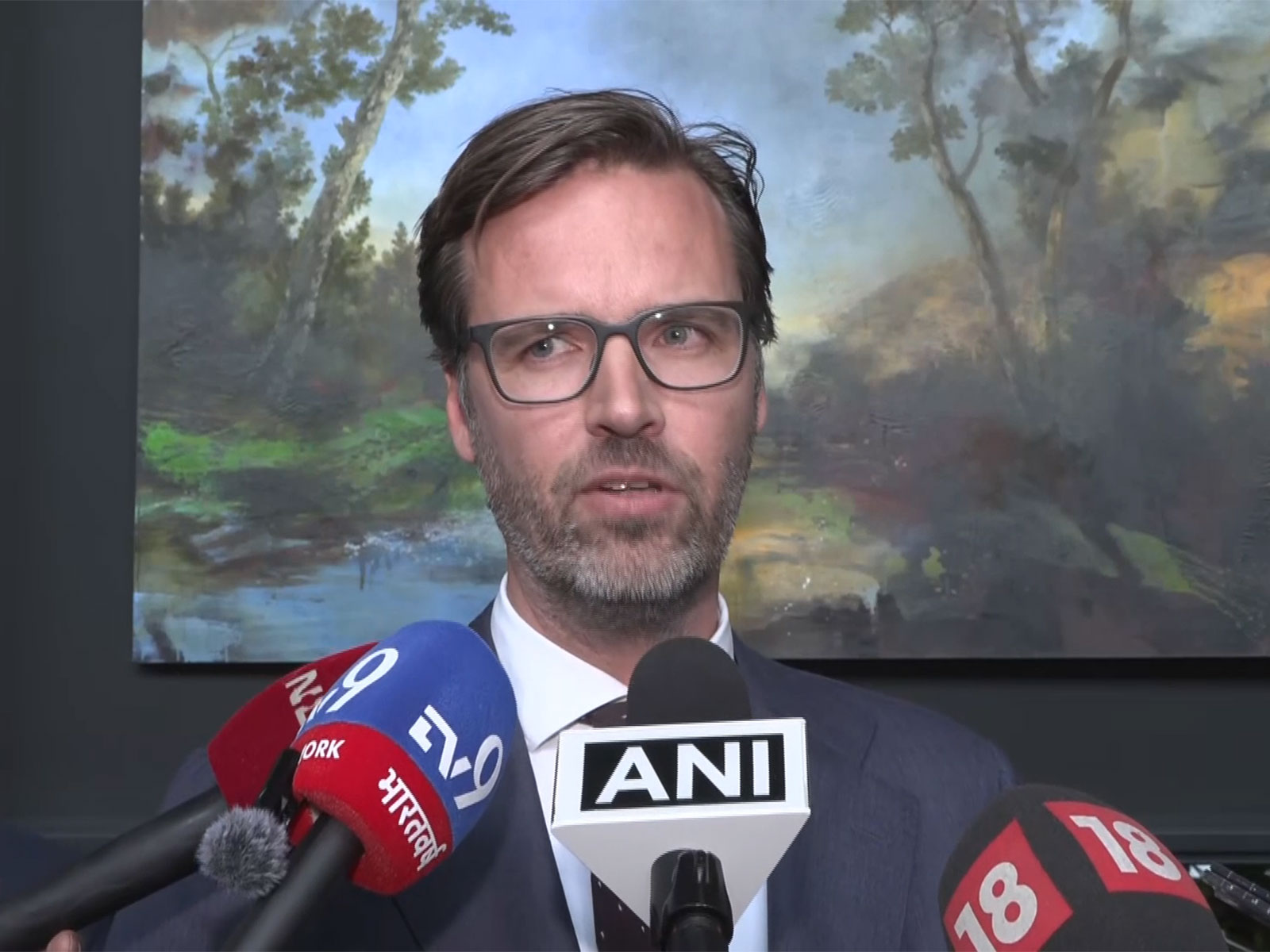
Hague [Netherlands], October 26 (ANI): The European Union’s Carbon Border Adjustment Mechanism (CBAM) will not be renegotiated, Netherlands’ Minister for Foreign Trade and Development Cooperation Sjoerd Sjoerdsma has said, while acknowledging the difficulties businesses in India and other countries face in complying with complex regulations.
Sjoerdsma defended the mechanism as necessary to ensure that countries adhere to the objectives of the Paris Climate Agreement, while highlighting the Netherlands’ efforts to help small and medium-sized enterprises understand and comply with the rules.
“I don’t think there will be any renegotiation of CBAM because we view it as a necessary measure to ensure that we stick to the goals that the entire world agreed to, the goals of the Paris Climate Agreement,” he said.
The minister acknowledged concerns over the complexity of the requirements, particularly for smaller businesses that may lack the resources to navigate extensive regulatory guidelines.
“We do see, of course, the difficulty in some of these guidelines. Some of them are quite complex to follow, and if you have a small company, you have a lot of other things to do than just read all those guidelines,” he said.
Sjoerdsma said the Netherlands was investing in helping small and medium-sized enterprises in countries such as India understand European regulations and make compliance easier.
“We’re helping these people out,” he said.
The minister also said that while the European Commission was pursuing a broader deregulation agenda, regulations designed to protect consumers, product quality, climate objectives and product safety should be retained.
However, he favoured reviewing rules that unnecessarily hinder trade.
“Where there are rules that are not necessary, where there are rules that hinder trade unnecessarily, of course, we need to look at them when it comes to regulation,” he said.
His remarks come as Indian exporters assess the implications of the EU’s carbon-related trade requirements and seek greater access to European markets.
The issue is likely to remain significant for India-EU economic engagement as both sides work towards implementing their proposed free trade agreement. (ANI)
Related reading