New Delhi [India], October 26 (ANI): India’s quick-commerce sector is entering a more disciplined phase of growth, with franchise-led models expected to support expansion into tier-II and tier-III cities by 2030, according to a report by CBRE.
The report noted that major quick-commerce platforms are moving closer to contribution-margin breakeven, reflecting a growing focus on sustainable growth and cost efficiency.
Currently, nearly “65-70 per cent of all dark stores are currently located in the top eight metros, with operators now deepening presence in markets such as Jaipur, Lucknow, Surat, Coimbatore and Nagpur.” Rising internet adoption is also supporting growth in order volumes in these cities.
According to the report, tier-II and tier-III cities are attracting quick-commerce operators due to “cost-effective real estate” and “lower” overall overhead costs.
It further stated that “The expansion of q-commerce is anticipated to serve as a significant driver of in-city warehousing demand during the latter half of the decade,” highlighting the sector’s growing role in driving demand for urban warehousing.
As companies shift their focus from rapid expansion to cost-efficient operations, they are expected to increasingly adopt franchise-led, outsourced and shared infrastructure models instead of relying solely on company-owned networks.
Within this trend, the report said, “Franchise-led dark-store models may emerge as a route to rapid penetration into tier-II and tier-III markets while reducing network expansion costs.”
The report also highlighted the potential of shared infrastructure, under which multiple quick-commerce operators and brands could use common fulfilment facilities and logistics hubs. This model could help improve space utilisation, reduce operating expenses and make expansion more financially viable, particularly as real estate costs rise in tier-I cities.
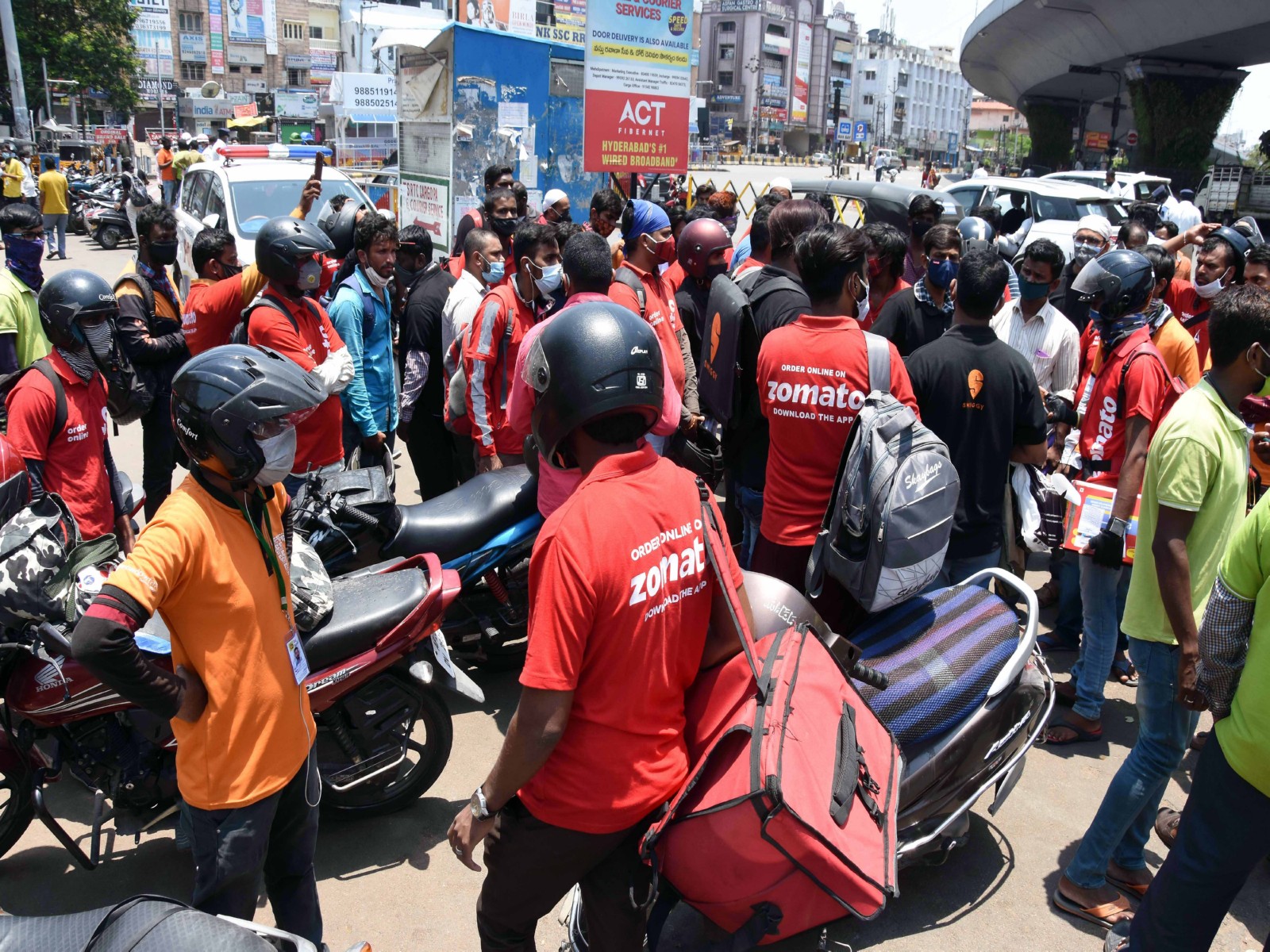
Quick-commerce platforms are also expected to increasingly outsource warehousing, dark-store operations, order fulfilment and last-mile delivery to specialised third-party logistics (3PL) providers as they expand beyond major metropolitan areas.
Such partnerships could allow companies to focus on customer acquisition, technology and inventory management while relying on logistics partners for operational support.
The report also pointed to the potential use of neighbourhood grocery stores to support quick-commerce deliveries. “Operators are expected to use existing neighbourhood kirana stores as microwarehouses, fulfilling orders through their own apps and delivery fleets,” it said.
Advertising is also emerging as a high-margin revenue stream for the sector, with brands and direct-to-consumer (D2C) companies paying for sponsored placements and product sampling through quick-commerce platforms.
Summing up the outlook, the report said, “After a phase of capital-heavy expansion, India’s q-commerce sector is entering a more disciplined growth cycle, backed by category diversification, non-metro penetration, and emerging high-margin revenue streams,” it said. (ANI)
Related reading