New Delhi [India], October 24 (ANI): Financing demand in India’s emerging sectors is expected to shift towards battery storage, semiconductor packaging, green hydrogen projects with assured buyers and defence suppliers over the next three to five years, as investments in new growth industries create opportunities for banks, according to a Union Bank of India research report.
The report noted artificial intelligence (AI), semiconductors and defence is likely to lead the investment pipeline, with indicative public and private investments of around Rs 5.9 lakh crore, Rs 5.27 lakh crore and Rs 5.07 lakh crore, respectively.
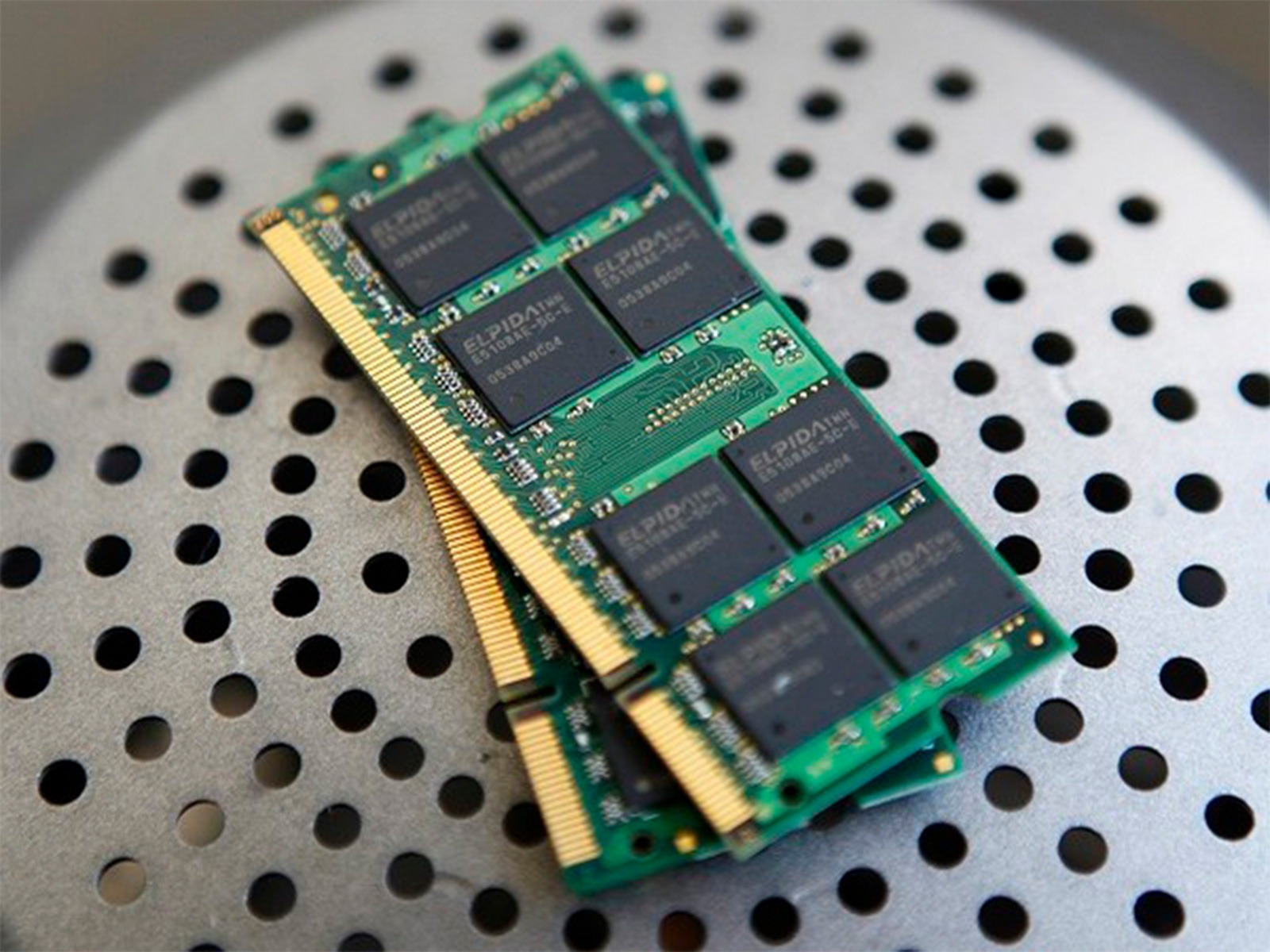
It said financing opportunities would increasingly emerge in advanced packaging and assembly of semiconductors, battery recycling, lithium iron phosphate (LFP) and sodium-ion battery capacity, storage infrastructure and component suppliers to the defence industry.
The report also highlighted the potential for financing hydrogen projects backed by assured offtake agreements, while demand for data centres is expected to expand towards edge and colocation facilities as AI inference grows.
However, the report cautioned that technology obsolescence, uncertain revenues, delayed payments and long investment payback periods remain significant risks for lenders.
Semiconductor projects typically have payback periods of five to eight years, while space projects may take seven to ten years, exceeding conventional loan tenures, it said. AI infrastructure also faces rapid technology cycles, with graphics processing unit clusters requiring upgrades every 18 to 24 months.
The report said ten of the twelve emerging sectors already had identifiable debt-financing routes, while AI and space remained predominantly equity-funded due to technology risks and long payback periods.
It recommended that banks develop specialised lending capabilities for semiconductors, hydrogen, data centres and battery storage, alongside products such as milestone-linked disbursements, receivables financing, equipment leasing and green loans.
The report identified renewable energy, semiconductors, green hydrogen and critical minerals as sectors suited to project finance and development finance institution-led funding, while electric vehicles and drones could benefit from asset financing and non-banking financial company lending.
India’s renewable energy capacity stood at 288.6 GW against a target of 500 GW by 2030, while the electric vehicle and battery storage market was projected to grow from USD 34 billion to USD 113 billion by 2030.
The report said financing opportunities would increasingly move towards commercially viable projects and supply-chain participants as these emerging sectors expand. (ANI)
Related reading